A Detailed Guide to the Cultivation Methods and Care Tips for the Jade Plant
The jade plant, also called the jade tree, Crassula tree or bean-petal palm, belongs to the Crassulaceae family, genus Crassula; the jade plant is native to southern South Africa. Next, let us take a look together at the cultivation methods for the jade plant.
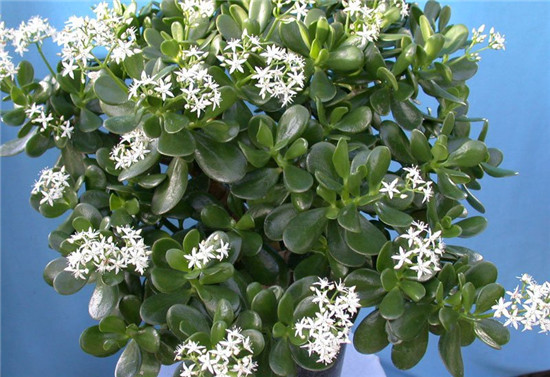
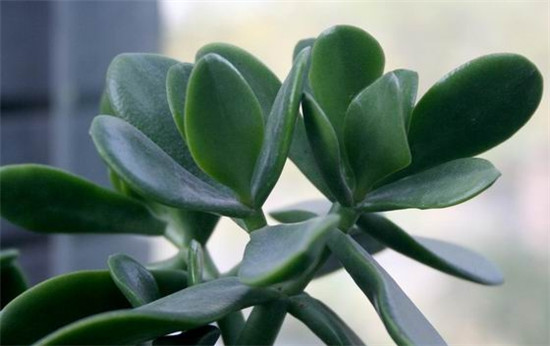
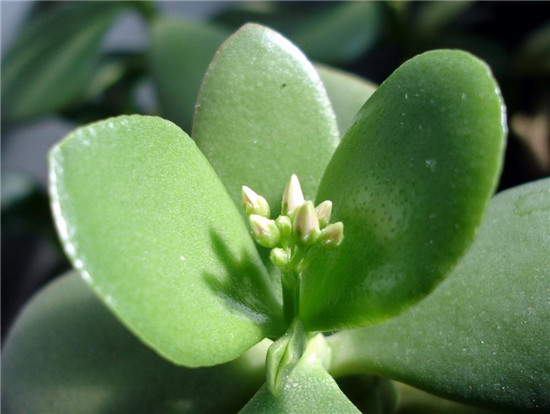
The jade plant is an evergreen small shrub. The plant height is 1-3 m, the stem is fleshy with many branches. The leaves are fleshy, ovate-round, 3-5 cm long, 2.5-3 cm wide, grayish green with red edges. The flower diameter is 2 mm, white or pale pink. The branches and leaves are thick and plump, green in all four seasons, the leaf shape is unusual, the plant form is stately, easy to cultivate and simple to manage.
It is suitable for pot cultivation, and can be placed on a balcony or as an ornament on an indoor table, appearing very elegant and refined. The crown is upright and graceful, the stems and leaves are emerald green, and the white flowers borne at the top are very elegant and distinctive. If matched with a pot stand and gravel and worked into a small bonsai, the jade plant is suitable for pot cultivation, and can also be trained into the posture of an old tree stump, making it even more attractive for decorating a tea table or desk.
However, its leaf sap is toxic and can cause blindness. The latest research reports that jade plant extract made into medicine can effectively treat diabetes. The jade plant likes a warm, dry and sunny environment. It is not cold-tolerant, fears strong light, and is slightly shade-tolerant. Fertile soil with good drainage, sandy loam is best. The winter temperature should not be lower than 7°C.
Every year in spring the jade plant needs repotting, with fresh fertile soil added. The jade plant grows relatively fast; to keep the plant form full, fertilizer and water should not be excessive. During the growth period, water 2-3 times a week; in the hot and humid July-August, be sure to water less, as the jade plant itself is relatively drought-tolerant. In midsummer, if ventilation is poor or there is excessive water shortage, it can also cause the leaves to turn yellow and fall off, so it should be placed in a semi-shaded spot for care. After autumn begins, gradually reduce watering. When cultivated outdoors, avoid being washed by heavy rain, otherwise too much water accumulates at the roots, easily causing root rot. Each year when repotting or when moving it indoors in autumn, attention should be paid to shaping and pruning while maintaining the form.
The jade plant is generally propagated by cuttings. In the growing season, cut off plump and firm top branches, 8-10 cm long, let them dry slightly, then insert them into a sand bed; after insertion they root in about 3 weeks. Single-leaf cuttings can also be used; after cutting the leaf, wait for it to dry. Then insert it into a sand bed; after insertion it roots in about 4 weeks, and when the roots are 2-3 cm long, pot it up.
The jade plant's cultivation and management are simple and extensive, but to achieve a full and robust plant form and have it covered with flowers in bloom as expected, there is indeed some work to be done. First, the jade plant grows relatively fast; from August to October each year, as autumn arrives and it turns cooler, the jade plant begins to resume growth, so light should be strengthened again, shade equipment removed, and at this time fertilizing and watering are in principle the same as in spring. Before Frost's Descent, move it into the greenhouse and place it in a sunny spot indoors, stop fertilizing, and be restrained with watering, basically watering once every half month, with the amount of water being one half of that in summer.
The jade plant prefers a relatively dry air environment; if rainy days last too long, it is easily infected by pathogens. It fears rain, so keep the leaves dry at night. The most suitable relative air humidity is 40-60%. The most suitable growth temperature is 15°C-32°C; it fears high temperature and stuffiness, and enters a dormant state when the summer heat exceeds 33°C. It avoids cold and frost, and the overwintering temperature needs to be kept above 10°C. It also enters a dormant state when the winter temperature drops below 7°C, and if the ambient temperature approaches 4°C, it will die from frost injury.
When winter arrives, appropriately reduce the frequency of watering and keep the potting soil slightly dry. Cultivation and management are relatively extensive, and generally no fertilizing is done; if growth is too weak, some potassium-containing liquid fertilizer can be added, or once a month during the growing season a thin application of decomposed cake fertilizer water. The suitable growth temperature for the jade plant is 15-25°C, and the overwintering temperature should be kept above 7°C; below 5°C it is prone to frost damage. Summer heat and strong sunlight are unfavorable to plant growth. In winter, the flowerpot should be moved to a sunny spot in the shed to keep the leaves fresh and green. Generally repot once every 1-2 years; the soil needs to be loose, fertile and well-drained.
The above is the full content of the jade plant cultivation methods and jade plant cultivation tips that I have summarized for everyone. I hope this article can help you. Please also continue to follow us.