How to Grow Cuban Oregano? Master These Care Points
Cuban oregano is a perennial herbaceous plant. Cuban oregano is much branched, and the whole plant is covered with fine white fuzz. Next, let's take a look at the key care points for Cuban oregano.
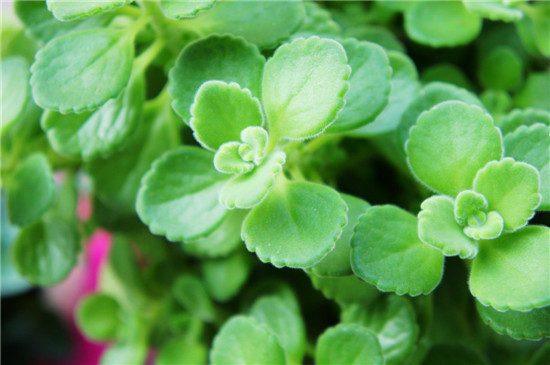
Cuban oregano earns the name "touch-me-and-fragrance" because it gives off a pleasant aroma when touched. Because its fragrance is sweet and strong, much like the scent of apples, it also enjoys the reputation of "apple scent." Smelling it is refreshing and uplifting, making it very popular. Cuban oregano is suitable for pot culture, and is best placed in a high spot or hung indoors; it can also serve as an ornament on a small table or desk. Its leaves can be brewed in tea or wine, with a wonderfully enticing fragrance.
To know how to grow it, you must know the growing habits of Cuban oregano. Cuban oregano likes light but is also fairly shade-tolerant. It fears cold, so it needs to be cultivated in a greenhouse. It is not tolerant of waterlogging and prefers loose, well-drained soil. It likes warmth and cannot tolerate cold. The suitable temperature in winter is 5-10°C. It is not tolerant of dampness; too much moisture easily causes root rot and death. So when watering, pay special attention: water only when the soil is dry, and water thoroughly when you do. Cuban oregano is commonly propagated by sowing, cuttings, and division.
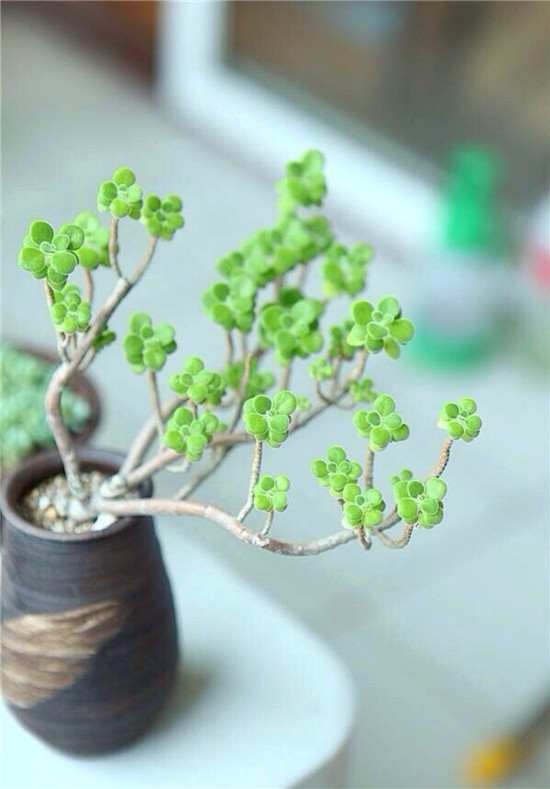
Although the flowers of Cuban oregano are small, their fragrance becomes stronger with human touch, so people think Cuban oregano is only fragrant when touched. The principle behind its strong fragrance is similar to that of the sensitive plant (Mimosa pudica), but there are differences. When its leaves are stimulated by touch, the water within the cells reacts, changing the turgor pressure of the leaf cushion, whereas the leaves of the sensitive plant curl up when stimulated. This is where the two differ.
Key Cultivation and Care Points for Cuban Oregano
Cuban oregano likes a sunny, well-lit environment; only under strong light will its fleshy leaves be thick. With insufficient light, the leaves become flat and thin. The soil should be allowed to dry out between waterings; on cloudy days, watering and fertilizing should be reduced or stopped. Water more in summer, but after summer, watering should be controlled. Usually, water only when the leaves show signs of wilting; otherwise, it easily grows leggy. Because it branches easily and grows along a horizontal plane, the planting spacing should be appropriately wider so the leaves can spread out. Cuban oregano should be pruned appropriately, which helps it grow more robustly.
The Benefits of Cuban Oregano
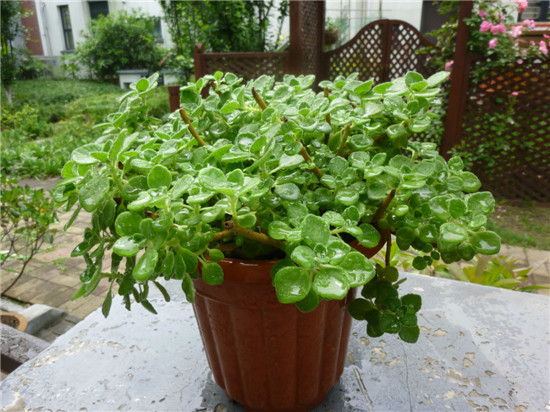
Cuban oregano gets its name because it gives off an apple-like fragrance when struck or touched by the outside world. The scent is rich and aromatic, making people feel comfortable when they smell it, and it is very popular on the market. It is suitable for pot culture, and is best placed in a high spot or hung indoors; it can also serve as an ornament on a small table or desk. Its leaves can be brewed in tea or wine, with a wonderfully enticing fragrance. It refreshes the mind, clears heat and relieves summer heat, and repels mosquitoes.
What Should You Do If the Leaves of Cuban Oregano Turn Yellow?
When growing Cuban oregano, you may encounter the situation of its leaves turning yellow, and beginner flower lovers in particular don't know what to do when they run into this problem. Below, let's analyze the reasons why Cuban oregano leaves turn yellow:
1. Too much water
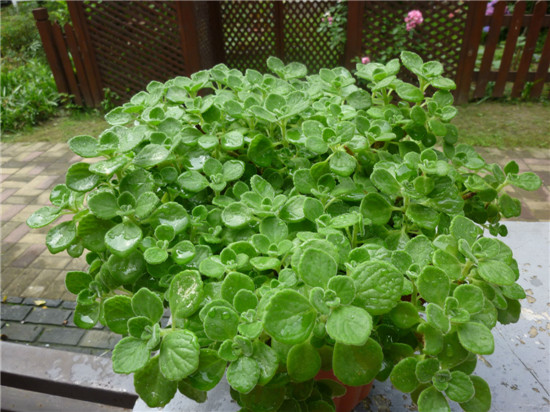
A mistake many flower lovers make is overwatering. Too much water causes root rot in plants, so flower lovers should first check whether they have watered too much. Cuban oregano is not tolerant of waterlogging, and too much water very easily causes root rot, and root rot will cause the leaves to turn yellow.
2. Fertilization problems
For potted plants, although the soil is limited and the fertility is insufficient, when fertilizing you should follow the principle of applying thin fertilizer frequently, that is, giving just a little fertilizer each time and fertilizing again after a few days. Never give too much fertilizer at once.
3. Natural causes
After Cuban oregano has been grown for a long time, the lowest part of the stem will gradually become woody, which will also cause the surrounding leaves to turn yellow and then wither. This is normal.
Note: When flower lovers encounter a problem like yellowing leaves, first of all, don't panic, so as not to seek treatment blindly. You should look for the cause one by one from aspects such as water, fertilizer, light, and air, and do not blindly try to remedy it.
The above is the full content of my summary of how to grow Cuban oregano and the key care points for Cuban oregano. I hope this article can help everyone. Please also continue to follow us.