How to Grow Cacti? A Detailed Guide to Winter Care Methods
Overwintering management in cactus cultivation is very important. Poor overwintering management not only affects the cactus's growth the following year, but also often causes the plant to rot, or even die. Next, let's take a look at how cacti enter winter.
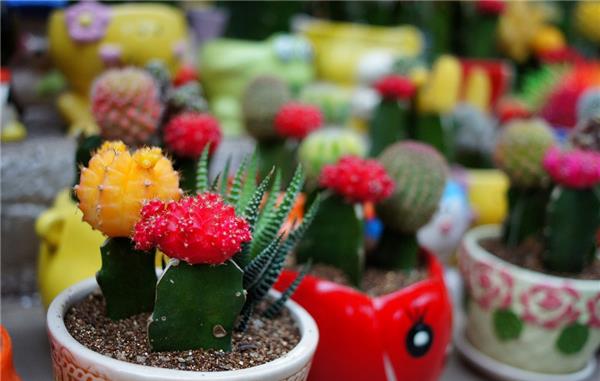
How to grow cacti:
1. In the three seasons of spring, autumn and winter, the sunlight is not strong and the temperature is not high, so the cactus leaves lose less water through evaporation, which means you should not water too much. A moderate amount is enough. In summer the temperature rises, so increase watering a little, but not too frequently; lightly spraying some water on the cactus is enough. Always keep the place where the cactus is kept humid rather than dry, and you can use a spray bottle to spray a small amount of water at any time.
2. Cacti like to grow in soil that is rich in nutrients and loose and breathable. Usually a specially prepared soil mix is best: vermiculite : fine sand : decomposed humus = 2:2:1, then stir it evenly. The resulting growing medium should be one that barely holds together when squeezed in the hand but falls apart as soon as you open your hand. This kind of soil is quite suitable for cactus growth.
3. As for watering, no matter the season, water thoroughly when you water. "If it is not dry, do not water; if you water, water thoroughly" - that is, you do not need to water frequently, but each time you water, every part of the soil must be soaked through. Do not water only down to the middle part of the pot. That will easily cause rot.
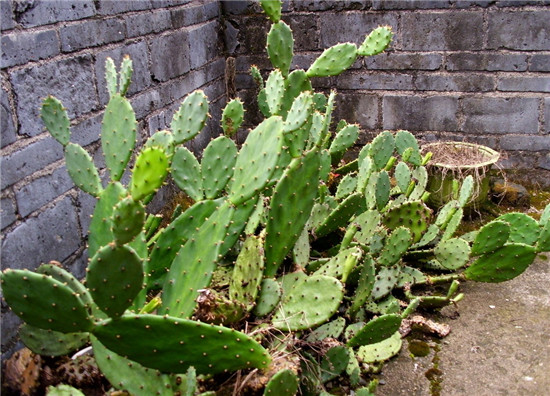
4. Spring, summer and autumn are the growing seasons for cacti; in winter the plant enters dormancy and stops growing. At this stage, do not water too much; just keep the potting soil moist. In winter the plant absorbs little water, and overwatering easily causes root rot. Cacti are quite fond of light, so take them out to sunbathe more often. They cannot stay in a hidden spot for long, but they also should not be exposed to blazing sun for long periods. Morning sunlight is best.
In their places of origin, the fleshy stems of most cacti can not only be used as feed for livestock, but can also be eaten. The tender stems and pads of some cacti are sold in markets as vegetables, pickled with salt and eaten as a cold dish, crisp and refreshing; cooked, they taste delicious, and if simmered with sugar, they can be processed into candied fruit, which is not only uniquely flavored but also quite nutritious.
Recently people have discovered that the mucilage in cactus fleshy stems has a good water-purifying effect, making it a purifying agent for field workers to use on natural water sources on the spot. The juice of some cactus fruits has long been used as a safe red food coloring. There is a cactus called the cochineal cactus (Opuntia cochenillifera), which can serve as a host for cultivating cochineal insects to extract a precious natural red dye.
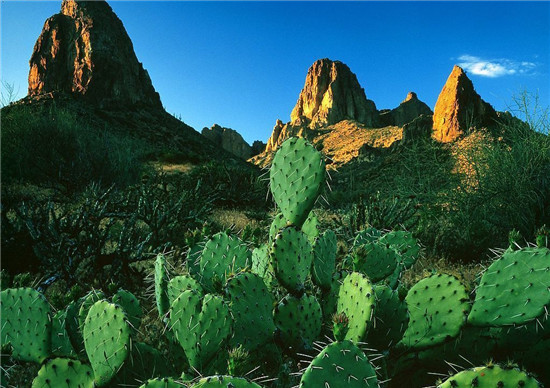
Most cacti have a distinctive biological trait: they close their stomata during the day to reduce water evaporation from the body, and only open their stomata at night to absorb carbon dioxide and produce oxygen. At the same time, they absorb and break down the carbon dioxide produced during respiration themselves. If a cactus is placed indoors at night, it can purify the air and benefit human health.
Overwintering management of cacti differs greatly between the north and the south. In the south, in some places with no frost or a very short frost period, they can overwinter outdoors or be moved indoors for a short time; you just need to control watering and prevent rot. In the north the situation is different: many cacti slow their growth after mid-August, should be moved indoors by late September, and can only be moved back outside in mid-May of the following year.
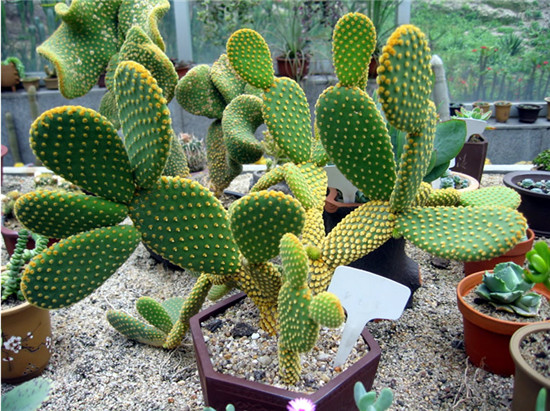
When cacti overwinter in the north, do not fertilize, repot or graft. During dormancy they should still be exposed to sunlight, and watering should be controlled; the lower the temperature, the drier the potting soil should be kept.
The above is the complete content I have summarized for you on how to grow cacti and how cacti enter winter. I hope this article can help you. Please also continue to follow us.