What to Do When Lucky Bamboo Leaves Turn Yellow? A Few Solutions to Teach You
Lucky bamboo (Dracaena sanderiana) is highly ornamental, carries an auspicious meaning, helps purify indoor air to some extent, and is always easy to grow, which is why many people love it. However, during the process of growing it, people often run into one situation that makes them anxious: the leaves frequently turn yellow. Today, through the characteristics of lucky bamboo, we will analyze what to do when lucky bamboo leaves turn yellow. Lucky bamboo is usually grown in two ways: in water and in soil. Today we will analyze the yellowing of leaves that occurs in each of these two growing methods separately.
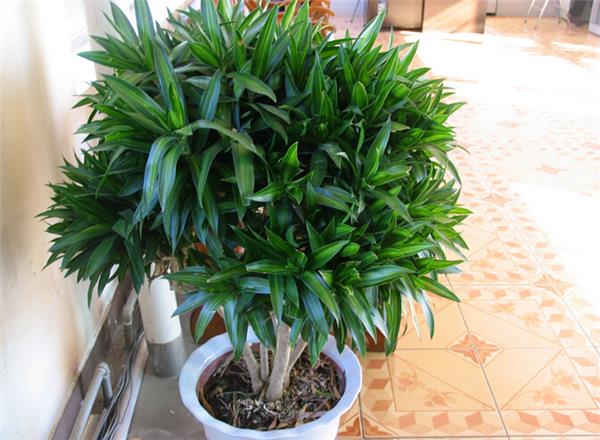
What to do when soil-grown lucky bamboo leaves turn yellow:
♠--First, overwatering
Overwatering lucky bamboo is one of the most common causes. The usual symptoms are: young leaves turn dull yellow and lose their gloss, but old leaves show no obvious change, and new shoots shrivel and stop growing. In this case, just take the plant out of its pot, let it dry in a cool, shady place, and then put it back in the pot.
♠--Second, underwatering
The yellowing caused by underwatering lucky bamboo looks completely different from the yellowing caused by lack of water. Yellowing from water shortage mainly shows as dry, withered leaf tips or edges, while new leaves grow perfectly normally. In this case, you only need to water it directly, but be sure to water thoroughly.
♠--Third, strong sunlight
Lucky bamboo is a shade-loving plant. If strong light shines directly on it, it will also cause yellowing, specifically shown as dry, withered leaf tips or edges. At this point, just move it to a shady spot.
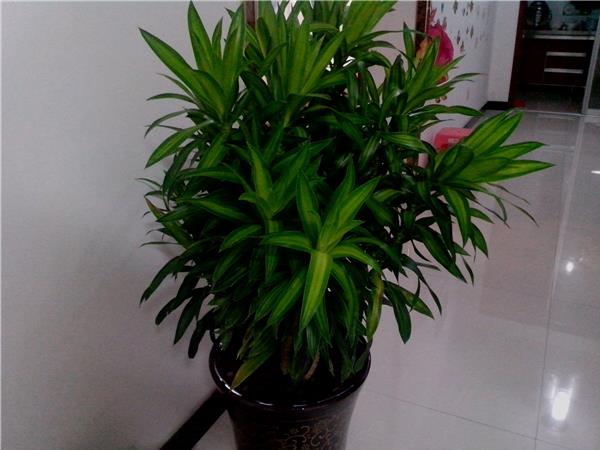
♠--Fourth, lack of light
Plant growth cannot be separated from light. If lucky bamboo is placed in a hidden spot for a long time, the leaves cannot get enough sunlight, so they cannot form chlorophyll, which causes the leaves to turn yellow and then fall off. At this point, just place it in the sunlight.
♠--Fifth, too much fertilizer
This is a very common cause. Too much fertilizer also easily causes yellowing in flowers and plants. It mainly shows as dry brown tips on new leaves, while the leaf surface generally appears thick and glossy-less, and uneven and not spread out, while old leaves turn scorched yellow and fall off. At this point, stop fertilizing immediately and rinse with clean water.
♠--Sixth, insufficient fertilizer
Insufficient fertilizer means not enough nutrients, so a lack of fertilizer will also cause leaves to turn yellow. It mainly shows as young leaves becoming paler in color, appearing yellow or light green rather than green; old leaves generally show no major change at this point. In this case, check the potting soil. If there is dry, caked soil, you need to replace the soil. When fertilizing, be careful to apply thin fertilizer frequently and water with some alum water at the right time. One thing here deserves special attention: another important cause of yellowing leaves is iron deficiency. In this case, you can put some ferrous sulfate in water and pour it into the soil. Some people also put a few rusty iron nails in water for a few days before using it. This method is actually feasible too.
♠--Seventh, being next to a TV, etc.
If lucky bamboo is placed next to a TV, air conditioner, or other electrical appliances, it will easily cause the leaf edges and other parts to turn yellow. At this point, you only need to move it far away and place it in a suitable spot, and it will grow very well.
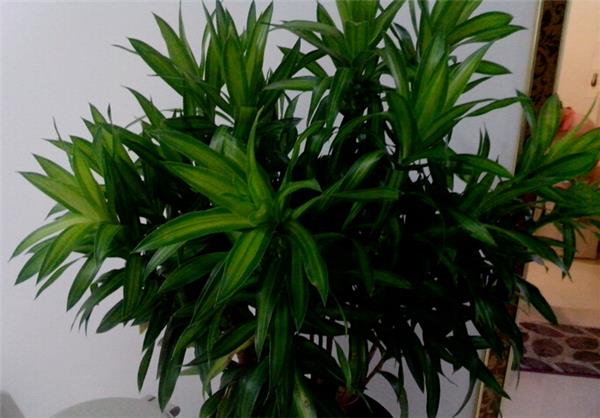
♠--Eighth, improper shaping
Lucky bamboo tends to grow in clusters, so when changing the pot and adding soil, be careful to prune old and damaged fibrous roots and thin out excess stems and leaves, so as to avoid excessive consumption of nutrients and to protect the roots and leaves. If you do not pay attention to shaping, it can also easily cause leaves to turn yellow.
What to do when water-grown lucky bamboo leaves turn yellow:
Compared with soil growing, most of the reasons are the same, with a few differences. The main ones are:
♠--First, water quality. For water growing, water is the foundation of lucky bamboo's growth, so it is naturally also an important aspect that causes leaves to turn yellow. At this point, mainly check whether its root system is fresh. If the root system has rotted, cut off the rotted roots and switch to cooled boiled water.
♠--Second, light. This also includes two aspects:
a. Too little light: it cannot get enough sunlight and cannot form chlorophyll, which naturally also causes leaves to turn yellow.
b. Too much light: lucky bamboo is not suited to strong light exposure, and strong light exposure will cause leaves to turn yellow.
For the above two situations, you should first cut off the yellow leaves and also cut off the rotted root system, then place it in an environment with a suitable temperature and diffused light, and it will grow well again.
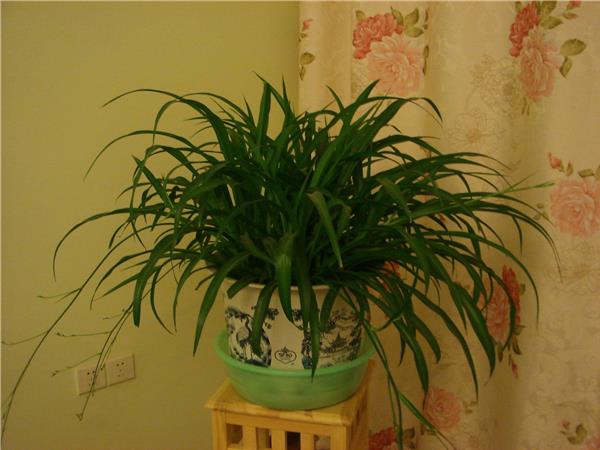
♠--Third, fertilizing. This also mainly includes two aspects:
a. Too much fertilizer. Too much fertilizer also easily causes yellowing in flowers and plants. It mainly shows as dry brown tips on new leaves, while the leaf surface generally appears thick and glossy-less, and uneven and not spread out, while old leaves turn scorched yellow and fall off. At this point, you should change the water again.
b. Insufficient fertilizer. It mainly shows as young leaves becoming paler in color, appearing yellow or light green rather than green; old leaves generally show no major change at this point. In this case, you only need to add an appropriate amount of fertilizer.
♠--Fourth, being next to a TV, refrigerator, etc.
As with soil growing, at this point you only need to move it far away and place it in a suitable spot, and it will grow very well.
♠--Fifth, improper shaping
Lucky bamboo tends to grow in clusters, so when changing the pot and adding soil, be careful to prune old and damaged fibrous roots and thin out excess stems and leaves, so as to avoid excessive consumption of nutrients and to protect the roots and leaves. If you do not pay attention to shaping, it can also easily cause leaves to turn yellow.
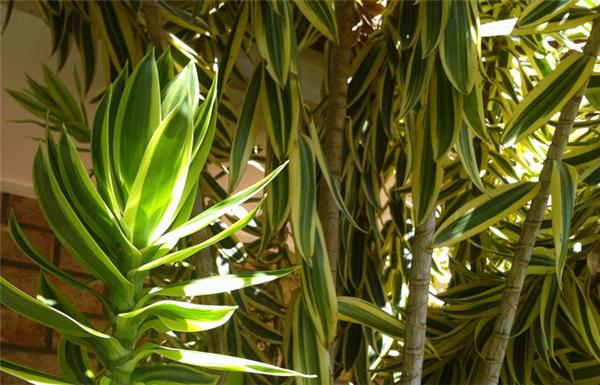
Editor's summary: The above is the editor's overview of the problem of lucky bamboo leaves turning yellow. We must first understand the growth habits of lucky bamboo. Lucky bamboo likes a hot, humid, semi-shady environment. For indoor care, it is suitable to grow in an environment with bright, diffused light. Too strong light will cause the leaves to change color and turn yellow; while too dim light will lead to weak stems and faded leaves, etc. We hope this article can help you avoid lucky bamboo leaves turning yellow.
The leaf surface generally appears thick and glossy-less, and uneven and not spread out, while old leaves turn scorched yellow and fall off. At this point, you should change the water again.b. Insufficient fertilizer. It mainly shows as young leaves becoming paler in color, appearing yellow or light green rather than green; old leaves generally show no major change at this point. In this case, you only need to add an appropriate amount of fertilizer.
♠--Fourth, being next to a TV, refrigerator, etc.
As with soil growing, at this point you only need to move it far away and place it in a suitable spot, and it will grow very well.
♠--Fifth, improper shaping
Lucky bamboo tends to grow in clusters, so when changing the pot and adding soil, be careful to prune old and damaged fibrous roots and thin out excess stems and leaves, so as to avoid excessive consumption of nutrients and to protect the roots and leaves. If you do not pay attention to shaping, it can also easily cause leaves to turn yellow.
Editor's summary: The above is the editor's overview of the problem of lucky bamboo leaves turning yellow. We must first understand the growth habits of lucky bamboo. Lucky bamboo likes a hot, humid, semi-shady environment. For indoor care, it is suitable to grow in an environment with bright, diffused light. Too strong light will cause the leaves to change color and turn yellow; while too dim light will lead to weak stems and faded leaves, etc. We hope this article can help you avoid lucky bamboo leaves turning yellow.