Can Cacti Block Radiation? The Truth Revealed
On many office desks, beside the computer, you will always see a cactus, said to be there to protect against computer radiation. But the question is, can a cactus really block radiation? Follow along with the editor below as we analyze whether cacti can truly block radiation!
 In fact, many people are not even clear about the concept of radiation itself. Everyone knows radiation is bad, yet they never realize that radiation is right beside you and me. By definition, radiation is a way of transferring energy. Every object in nature, as long as its temperature is above absolute zero degrees Celsius, will transfer energy outward in the form of waves or particles. The light, sound and heat you can feel are actually all thanks to radiation. One thing is beyond doubt: computer screens and towers do produce radiation. However, their radiation basically belongs to non-ionizing radiation, which cannot be mentioned in the same breath as ionizing radiation such as nuclear leaks, X-ray examinations, and cancer radiotherapy.
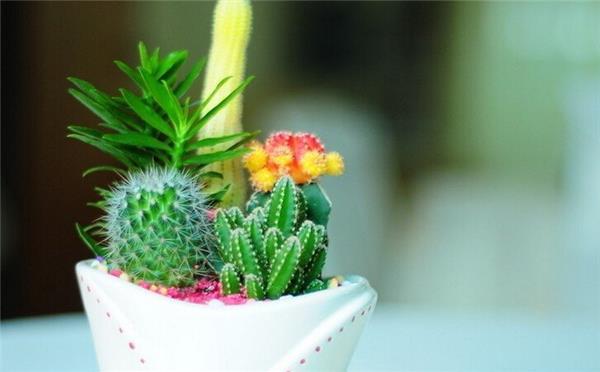
 Anyone who has studied plant physiology knows that plants can only absorb red light, far-red light (infrared), violet light and ultraviolet light from solar radiation, and this is the guarantee for them to complete photosynthesis. But computer radiation, besides containing light radiation such as infrared and ultraviolet, also contains a large amount of low-energy X-rays, non-ionizing radiation (low-frequency and high-frequency radiation), electrostatic fields, electromagnetic radiation and electromagnetic waves. These rays and electromagnetic waves cannot be absorbed by a tiny cactus; instead, it will be scorched by them.
 So where did the rumor that cacti can block computer radiation come from? In fact, this claim first came from a study in the mid-1980s by the Institute of Earth Biology in Chandolin, Switzerland. The researchers gathered a group of office workers who often suffered from headaches and fatigue, and placed a pot of cactus beside the monitors on their desks. Two years later, it was found that these people's symptoms of headaches and easy fatigue had disappeared. Later, some busybody suggested that it was very likely the anti-radiation effect of the cactus that made their headaches and fatigue symptoms disappear. This claim was easily believed by people and has been passed down to this day. In fact, this study did not test the level of electromagnetic radiation around the monitors at all.
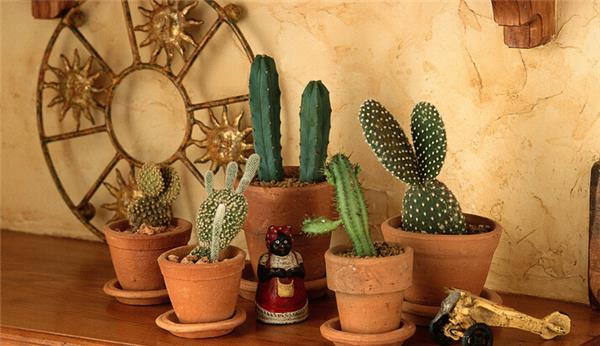
That cacti can block computer radiation is completely an urban legend. Still, even so, it does not stop you from continuing to place them on your work desk - at least they can make one feel relaxed and happy, or perhaps relieve work fatigue, so why not? It is just that if someone again says they placed a cactus to absorb computer radiation, please give them a little science lesson!
The cactus, with a heart soft within and firm without. At the beginning of creation, the cactus was the most delicate thing in the world; she was as tender as water, and lost her life at the slightest touch. God could not bear it, and added a suit of armor over her heart, hard as iron, with sharp steel thorns that could wound. From then on, no one could ever see the cactus's heart again, and any creature that came near her would be covered in blood. So do you know what uses such a resolute cactus has?
❉--Medicinal Functions--❉
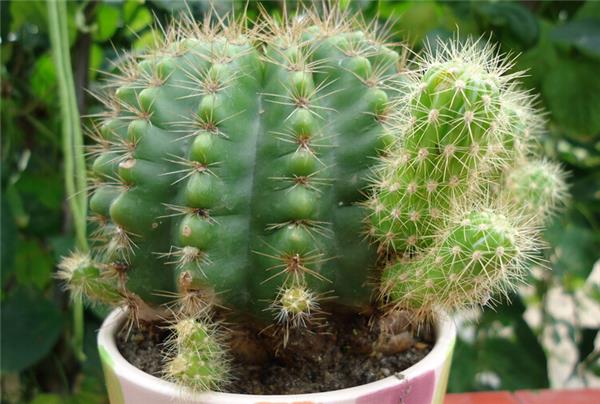
The cactus has many uses and makes a great contribution in medicine, with the whole plant used as medicine (except the thorns). It can be collected in all four seasons. Used fresh or sliced and dried in the sun. It has effects such as clearing heat and detoxifying, relaxing sinews and activating collaterals, dissipating blood stasis and reducing swelling, removing intestinal toxins, cooling blood and relieving pain, moistening the intestines and stopping bleeding, strengthening the stomach and relieving pain, and relieving cough. It is used for gastric and duodenal ulcers, hemorrhoids, acute dysentery, and cough; externally for mumps, mastitis, carbuncles and boils, external hemorrhoids, snake bites, and burns and scalds.
❉--Edible Functions--❉
Being used as a vegetable is also one of the uses of the cactus. The cactus has traditionally been a food of the Americas, an indispensable specialty vegetable and fruit in people's daily lives. People wash and chop the cactus and boil it in soup, or grill it over a stove, or make it into pie filling, or directly pickle fresh cactus, and some even use cactus to brew alcohol (tequila). The edible cactus is one of the known vegetables with the highest content of vitamin B2 and soluble fiber, and the cactus is high in potassium, low in sodium, and low in sugar, with a sugar content even lower than that of lettuce and cucumber.
❉--Green Functions--❉
The simplest use of the cactus is indoor greenery. Known as a nighttime "oxygen bar," the cactus mostly breathes at night when it is cooler and more humid. When breathing, it takes in carbon dioxide and releases oxygen. A master of absorbing dust - do not underestimate the cactus, it is actually a master of absorbing dust too! On Antimony Star, placing a cactus indoors, especially a hydroponic cactus (because hydroponic cacti are cleaner and more environmentally friendly), can play a role in purifying the environment.
❉--Other Functions--❉
The uses of the cactus also extend to many aspects such as beauty care and water storage. Cut open the cactus with a knife, take its juice and apply it to the face, then wash it off with water after 15 minutes; it has a whitening and moisturizing effect. The cactus has a waxy layer on its surface, and its leaves have also evolved into needle shapes, reducing the external surface area and thereby reducing water transpiration. The cactus contains toxic alkaloids, which after consumption can act on the central nervous system and cause various hallucinations; it was an important plant for local rituals in Peru from the 1st to the 7th century AD to make contact with the world of the gods.
After reading the editor's introduction, do you have a further understanding of whether cacti can block radiation? The editor also introduced several common aspects of the cactus. The cactus has many other functions and uses as well. Today the editor will introduce them here, hoping it can help everyone better understand the cactus.