Why Cacti Don't Need Watering and Key Points for Growing Them
Cacti are fairly drought-tolerant plants that prefer dry conditions. Cacti are more drought-resistant than ordinary plants and are also easy to keep alive, which is why cacti are very popular with busier people. Cacti are perennial succulent herbaceous plants of the family Cactaceae. They are pad-shaped or oval, green, with flowers borne among the clusters of spines along the ribs; cacti generally bloom in the early morning or in the evening. Although cacti are relatively cold-tolerant plants, they still need to be watered, and they must not be given too much water. So why don't cacti need watering?
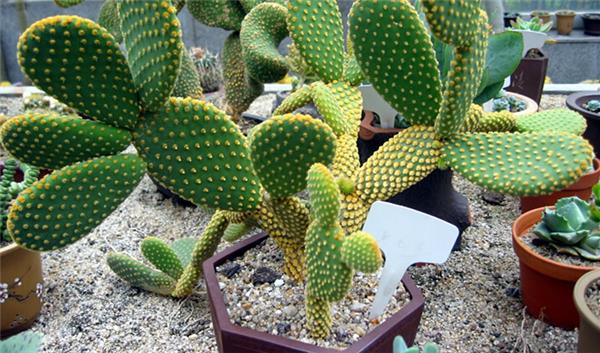
A Brief Introduction to Cacti
Cacti belong to the family Cactaceae, commonly known as grass cacti, and grow in desert regions, preferring hot, arid climates. Cacti originated in the grasslands of South America. Cacti are also plants that flower, and their flowers come in three colors: white, red and yellow. Giving cacti proper watering helps them bloom. The flowering period of cacti is in summer. Summer weather is relatively dry and hot; to encourage cacti to bloom profusely in summer, you should water them more in summer, generally once a week, and each time just water until the soil of the cactus is moist.
Why Cacti Don't Need Watering
Why cacti don't need watering: when growing cacti, sandy soil should be used, because sandy soil is relatively loose. The way to prepare sandy soil for cacti is to lay a layer of soil beneath the sand, so that the sand is on top and the soil is underneath. This helps retain moisture. When applying phosphate fertilizer to cacti, do not apply too much at one time; too much phosphate fertilizer will make the concentration of the soil solution greater than that of the cells in the cactus roots, causing water to flow outward and resulting in dehydration of the cactus.
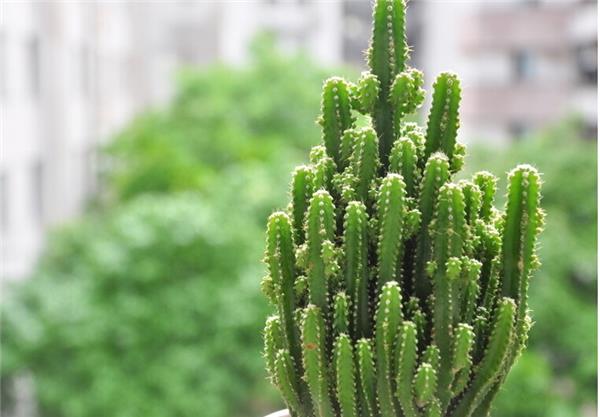
Cacti are plants that are not afraid of a lack of water but afraid of too much water; too much water causes the root cells of the cactus to die from lack of oxygen, so during the growing process, be careful not to let cacti be rained on, and even if they do get rained on, drain them promptly. The optimal growing temperature for cacti is 20-35°C. Most types of cacti prefer a large temperature difference between day and night, growing under conditions of 35°C during the day and around 20°C at night; this favors the production and accumulation of organic matter, thereby promoting vigorous growth of the cactus.
How Should Cacti Be Watered
Cacti need watering in all four seasons. When watering cacti in spring and autumn, you only need to water once every half month, because the weather in these two seasons is relatively warm and the air contains moisture; the cactus can absorb moisture from the air through its spines to maintain its water and nutrient supply. In winter, cacti do not need watering, because winter weather is relatively cold and the air is filled with fog, so at this time cacti are not short of water. This is where the explanation for why cacti don't need watering comes from.
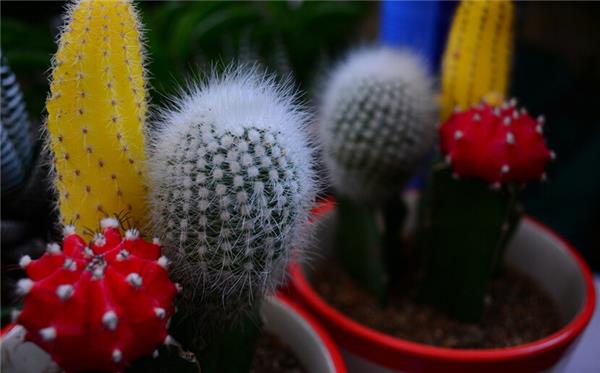
How to Grow Cacti
Cacti like places with plenty of sunlight, but scorching exposure will slow their growth rate, so if you want your cactus to grow well and fast, you can choose a shady spot for it when the sunlight is too intense. Cacti originally grew in relatively arid desert regions, and their root systems have a very strong ability to absorb water, so when growing cacti do not water too much; too much water will cause the roots of the cactus to rot. Everyone should understand clearly why cacti don't need watering; generally, large cacti will not die even if they are not watered for one or two years.
There are many kinds of cacti with diverse forms, their stems and leaves are colorful and their flowers are gorgeous, making them indoor ornamental flowers suitable for pot cultivation. Their fruits are bright red and edible; the stem pads can be juiced to make wine (with sugar added), and the stem pads can be mashed into a paste for external application to treat mastitis, or peeled of their spines and stir-fried as food. Cacti have so many uses, so what are the key points to pay attention to when growing them?
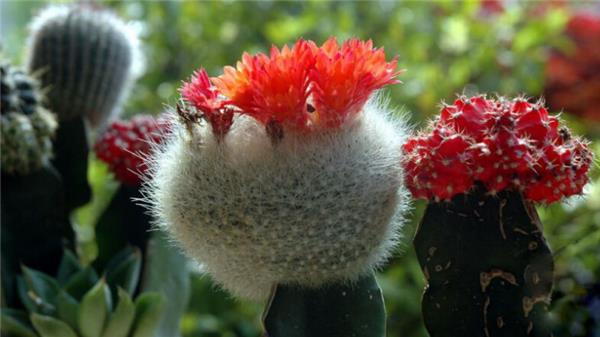
Key Points to Pay Attention to When Growing Cacti
(1) Young plants of cacti should be repotted once a year. Mature plants do not need repotting every year. However, after a certain period, the nutrients in the pot tend to be exhausted, the root system fills the potting soil, or because of frequent watering the potting soil becomes hard and compacted, which is unfavorable for drainage and aeration and easily causes root rot. Therefore, repotting is generally done once every 2-3 years. When repotting fast-growing varieties, the new pot can be somewhat larger than the original pot, with the original pot able to fit inside the new pot being suitable. During cultivation, the surface soil of the pot should be loosened frequently to keep the soil well aerated and promote root growth.
(2) Plants that are kept under a certain degree of dryness and sufficient light in cultivation management have paler stem color and slower growth, but their areoles and spines are well developed, thick and attractive. Plants that are constantly kept under high temperature, high humidity and relatively poor light conditions grow rapidly, with soft stems and bright colors, but their areoles and spines are poorly developed and their color characteristics are not obvious; for example, red spines often turn dark brown. Therefore, the amount of watering should also be adjusted according to the purpose of cultivation.
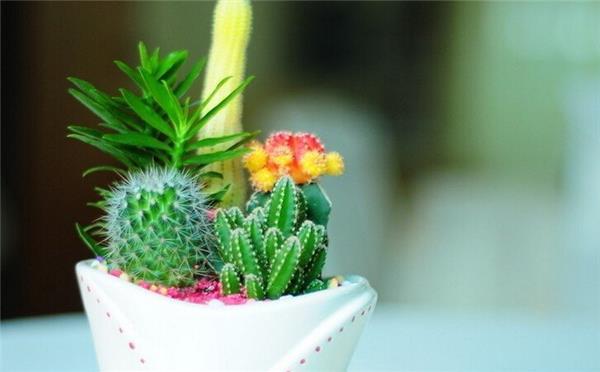
(3) The water used for watering and misting should preferably not contain too much sodium chloride and other salts. Generally, rainwater and well water are both acceptable, but the water temperature should not be too low, and water close to the air temperature is best. Tap water should be placed in a vat for 1-2 days before use. If fish are kept at home, using water from the fish tank to water potted flowers is even more suitable.
 Conclusion: The above is the relevant introduction brought to you by the editor on why cacti don't need watering and the key points to pay attention to when growing them. We hope it can help friends who need information on this subject.
(2) Plants that are kept under a certain degree of dryness and sufficient light in cultivation management have paler stem color and slower growth, but their areoles and spines are well developed, thick and attractive. Plants that are constantly kept under high temperature, high humidity and relatively poor light conditions grow rapidly, with soft stems and bright colors, but their areoles and spines are poorly developed and their color characteristics are not obvious; for example, red spines often turn dark brown. Therefore, the amount of watering should also be adjusted according to the purpose of cultivation.
(3) The water used for watering and misting should preferably not contain too much sodium chloride and other salts. Generally, rainwater and well water are both acceptable, but the water temperature should not be too low, and water close to the air temperature is best. Tap water should be placed in a vat for 1-2 days before use. If fish are kept at home, using water from the fish tank to water potted flowers is even more suitable.
Conclusion: The above is the relevant introduction brought to you by the editor on why cacti don't need watering and the key points to pay attention to when growing them. We hope it can help friends who need information on this subject.