What to Do When Spider Plant Leaves Turn Yellow? A Simple Fix
Spider plants (Chlorophytum comosum) are among the best plants for purifying indoor air. They are often grown in hanging pots as indoor decorations or landscape features. Spider plants have varied forms and are shade-tolerant, easy to manage, easy to keep alive, and fast to propagate, which has made them increasingly popular. But when a spider plant grown at home suddenly develops yellow leaves, why do the leaves turn yellow? And what should be done about it? Not everyone is a master gardener, and tricky problems are unavoidable when growing plants. When a beloved plant gets sick, it is easy to feel at a loss. No worries, let us tackle this problem together below!
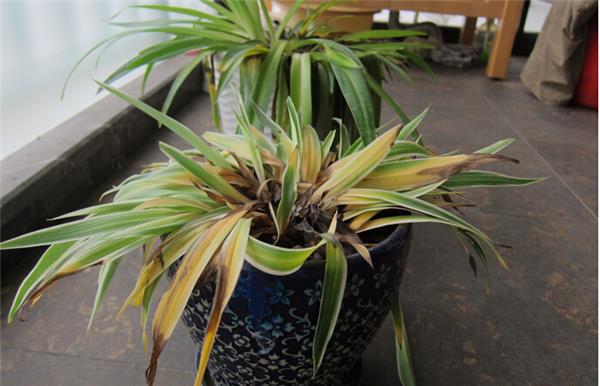
Causes and Solutions for Yellowing Spider Plant Leaves
☆--1. Improper fertilizing: too much fertilizer causes yellow leaves. When fertilizing exceeds the plant's needs, the leaves first become glossy and uneven, then the root system rots and the leaves turn yellow.
Solution: Stop fertilizing, water generously with plain water, or repot the plant, clean the roots, and replace the soil with fresh soil.
☆--2. Nutrient depletion: the various nutrient elements in the potting soil have been exhausted, and the three key elements nitrogen, phosphorus, and potassium have not been replenished in time. The plant lacks nutrients, and the leaves become yellow and thin.
Solution: Promptly repot into fertile loam and water with alum fertilizer water.
☆--3. Insufficient sunlight: although spider plants are semi-shade flowers, they still need at least four hours of indirect light per day, otherwise chlorophyll decreases and the leaves turn yellow.
Solution: Find some spare time each day to place the spider plant in the sun for a few hours, but do not expose it to too much direct sunlight.
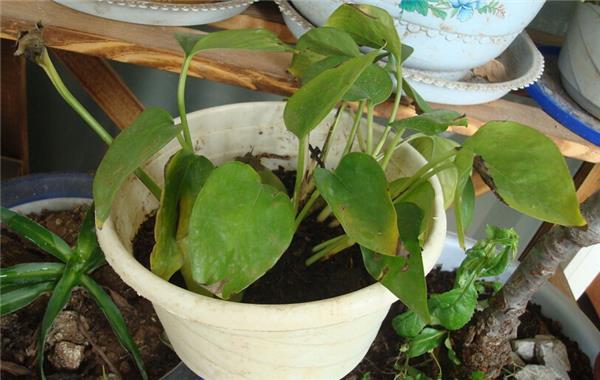
☆--4. Poor air and water permeability of the potting soil: the potting soil stays waterlogged for a long time, root respiration becomes difficult, and the leaves turn yellow.
Solution: Loosen the soil and control moisture in time. Fifth, long-term watering that does not soak through. The roots of the spider plant lose water, and the lower old leaves turn yellow. Water thoroughly and keep the potting soil warm and moist.
☆--Tip: How to care for spider plants in winter. Move them indoors, water once every four days, and water thoroughly. It is best to water at noon, and the water temperature should ideally match the air temperature. This prevents the roots from freezing. When placed indoors, the leaf surface should be cleaned regularly. In winter, keep the potting soil slightly moist. Keep the room temperature at 15-20°C, and the spider plant will grow normally.
The flower language of the spider plant is "helpless yet giving hope." This is related to its growth habits: normally it needs little care and does not raise great expectations of surprises, but the helpless part is that it must be constantly watched and tended, and it always grows tenaciously and well, so it always brings people hope. So, do you know the legend about the spider plant's flower language?
The Legend of the Spider Plant's Flower Language
There is also a legend about the spider plant's flower language. It is said that long ago there was a chief examiner who was jealous of talent. In order to let his godson pass the exam, he tried every means to suppress a talented scholar named Lin Dexiang. But while grading Lin Dexiang's paper, the emperor happened to be traveling incognito, and in his panic the chief examiner hid the paper among the orchids on his desk. Unbeknownst to him, while admiring the brilliantly blooming orchids, the emperor inadvertently learned the truth, and so dismissed the examiner from office. Not long after, the chief examiner died of melancholy, and the stems and leaves of that orchid never stood upright again, gradually evolving into today's spider plant.
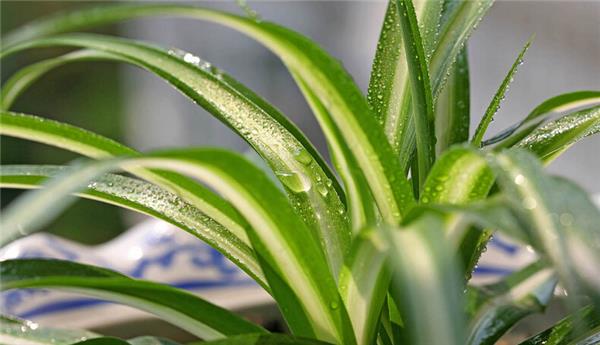
Although spider plants have very strong vitality, various problems can still be encountered when growing them, such as issues with watering, light, and disease and pest control. Handle them properly and the spider plant will grow healthy and lush; fail to handle them or make mistakes and it is bound to have a negative impact on spider plant growing. Only by understanding more about spider plants can you grow them better.
 The Growth Habits of Spider Plants
The spider plant, commonly known as trailing pot grass, originated in Africa and is now cultivated and grown all over the world, while Europeans call it spider grass or airplane grass. The greatest feature of the spider plant is that mature plants will from time to time grow new stems, and these new stems will in turn produce small plantlets. It likes a warm, moist, semi-shaded growing environment and is suitable for long-term indoor cultivation. The flowers of the spider plant are mainly white, in clusters of several blooms, looking fresh and lovely, with high ornamental value.
 Types of Spider Plants
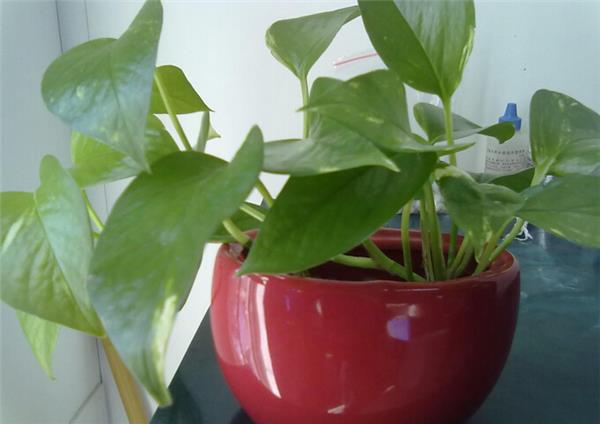
There are many types of spider plants. Common ones include the spider plant, purple spider plant, flowering spider plant, golden-leaf spider plant, silver-edged spider plant, and peony spider plant. Among them, the spider plant's stems and leaves are indistinguishable, the leaves droop, and the leaves are dark green. It blooms every year in June and July, with flowers in light yellow and white. The purple spider plant, also called painted-leaf spider plant, has purple main veins on the leaves, stems in segmented form with a leaf at each node, and thick, glossy leaves that all droop downward. It blooms from June to October each year, with pink flowers. The flowering spider plant has trailing stems, drooping branches and leaves, and peach-shaped leaves with golden patterns along the edges that run through the center of the veins; the underside of the leaves is purple and glossy. The golden-edged spider plant has yellow lines running around the edges of its green leaves, making a particularly attractive contrast. The silver-edged spider plant has green leaves edged in white, making it even more vivid and distinctive to look at. In addition, there are also the golden-centered spider plant, silver-centered spider plant, broadleaf spider plant, and mid-striped spider plant, among others.
That is all for this article. If you follow the above requirements when growing spider plants, it would be hard for your spider plants to grow poorly. On the one hand, your methods are on point; on the other hand, spider plants really do have very strong vitality. We hope you can get help from this article and grow lush, beautiful spider plants.
Types of Spider Plants
There are many types of spider plants. Common ones include the spider plant, purple spider plant, flowering spider plant, golden-leaf spider plant, silver-edged spider plant, and peony spider plant. Among them, the spider plant's stems and leaves are indistinguishable, the leaves droop, and the leaves are dark green. It blooms every year in June and July, with flowers in light yellow and white. The purple spider plant, also called painted-leaf spider plant, has purple main veins on the leaves, stems in segmented form with a leaf at each node, and thick, glossy leaves that all droop downward. It blooms from June to October each year, with pink flowers. The flowering spider plant has trailing stems, drooping branches and leaves, and peach-shaped leaves with golden patterns along the edges that run through the center of the veins; the underside of the leaves is purple and glossy. The golden-edged spider plant has yellow lines running around the edges of its green leaves, making a particularly attractive contrast. The silver-edged spider plant has green leaves edged in white, making it even more vivid and distinctive to look at. In addition, there are also the golden-centered spider plant, silver-centered spider plant, broadleaf spider plant, and mid-striped spider plant, among others.
That is all for this article. If you follow the above requirements when growing spider plants, it would be hard for your spider plants to grow poorly. On the one hand, your methods are on point; on the other hand, spider plants really do have very strong vitality. We hope you can get help from this article and grow lush, beautiful spider plants.