What Is Rosemary? Learn About Rosemary's Benefits and Effects in One Article
Rosemary is also known as dew of the sea. It is an evergreen shrub with an upright habit, gray-green, narrow, pointed leaves that give off a pine scent, and it has been regarded since ancient times as a medicinal herb that can enhance memory. In spring and summer it produces small pale blue flowers. Rosemary originated along the Mediterranean coast and belongs to the evergreen shrubs; in summer it produces small blue flowers that look like little droplets of water, so its name in Latin means "dew of the sea." So, what is rosemary?
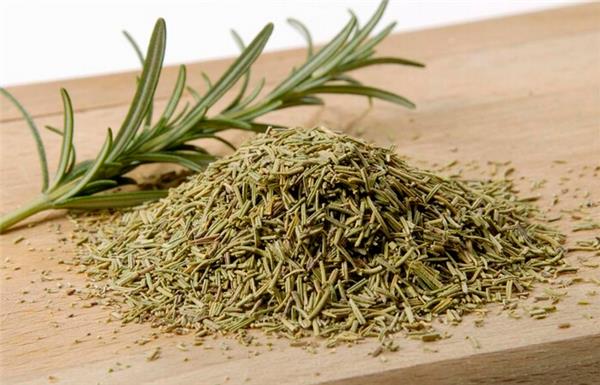
What kind of plant is rosemary?
It is very simple; it can be found in the countryside and fields. Rosemary leaves have a tea-like fragrance and a pungent, slightly bitter taste; they are often used in cooking and can also be brewed as an herbal tea. In ancient times rosemary was believed to enhance memory, and it has now been proven to be a plant with antioxidant effects.
The main antioxidant components in rosemary are carnosic acid, carnosol, rosmanol, ursolic acid, rosmarinic acid and other compounds. Rosemary is also often placed indoors to purify the air.
Rosemary is one of the earliest plants used in medicine and has a long history. The ancient Greeks burned rosemary plants to drive away ghosts and ward off evil; the Romans honored rosemary as a sacred plant; historically, the French burned rosemary as a hospital disinfectant; traces of rosemary are also found in Egyptian tombs, where it symbolizes remembrance of the dead; rosemary is now also commonly used in cooking as a spice, while in ancient times it was used to prevent food from spoiling. So, can rosemary be eaten?
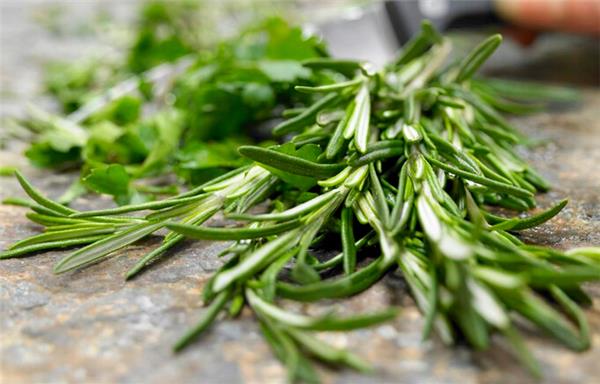
How to eat rosemary:
※1. Brewing herbal tea: rosemary (appropriate amount), hot boiled water (about 400cc), honey or granulated sugar (as needed). Put the rosemary into a pot, add the hot boiled water, steep for 3-5 minutes, add honey or granulated sugar and it is ready to drink.
※2. Rosemary is widely used in cooking; the fresh tender branches and leaves have a strong aroma and can remove the gamy smell of meat. Just a few tender stems and leaves (no need to use too much, so as not to overpower the original flavor of the food) are enough to make fragrant roasted ribs (pork ribs, lamb chops and beef short ribs). Rosemary roast chicken is especially good.
※3. As a lettuce for salads, if a few rosemary leaves are added when blanching, the special aroma is easily incorporated into the dish. For dishes that need long heating, dried rosemary can be used, or a little rosemary powder can be added after cooking. Fresh rosemary flowers can also be used in cold salads, to garnish dishes, and to add fragrance and flavor.
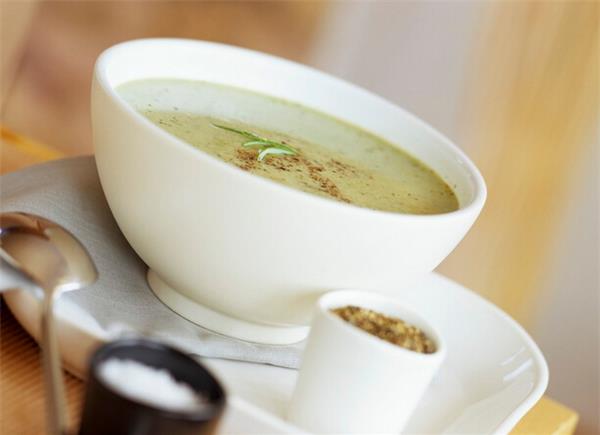
※4. Rosemary herbal tea is good for the heart, relieves pain and helps with sleep (,2000). Usually 5-10 cm tender sprigs are picked, washed and placed in a teapot, steeped for 2-3 minutes and then ready to drink; the longer the time, the stronger the fragrance. Adding the tender sprigs to lemon soda water gives an especially good flavor.
※5. Drinking a small cup of wine infused with rosemary every day can reduce heart attacks. It can also be made into herbal vinegar. Also, rosemary leaves, mint leaves and fennel leaves placed in boiled water and soaked for 20 minutes, then filtered, can be used as a mouthwash to care for the oral cavity.
Rosemary leaves have a tea-like taste and a slightly pungent flavor, and are often used in cooking; some people also like to brew them as tea. This plant is often used in Western cuisine, where it is regarded as a seasoning and also as an herbal tea. Rosemary also has antioxidant functions. Its place of origin is the Mediterranean, and its leaves are mostly linear and long. The upper surface of the leaves is mostly dark, while the underside is lighter, and the flowers are pale blue; both the flowers and leaves have a rich fragrance.

Rosemary is one of the earliest plants used in medicine, and it is also a common seasoning in Western kitchens. As far back as ancient Greece, poor people who had no money to buy incense would burn rosemary, which shows that rosemary has a very pleasant scent. Its edible value and medicinal value are both good, and it also has a sterilizing effect. What exactly are rosemary's specific benefits and effects?
What Is Rosemary: The Benefits and Effects of Rosemary Flower Tea:
1. After rosemary is made into flower tea, it can enhance brain function and relieve stomach bloating; elderly people with poor digestion can consume it over the long term.
2. It can effectively relieve headache symptoms, improve hair loss, and improve memory decline, so rosemary has now become a very popular herbal tea.
3. In addition to these beauty benefits, it has become a treasured tool for women to nourish their appearance and maintain their figure. Drinking this tea regularly can reduce the formation of wrinkles.
What Is Rosemary: The Benefits and Effects of Rosemary Essential Oil:
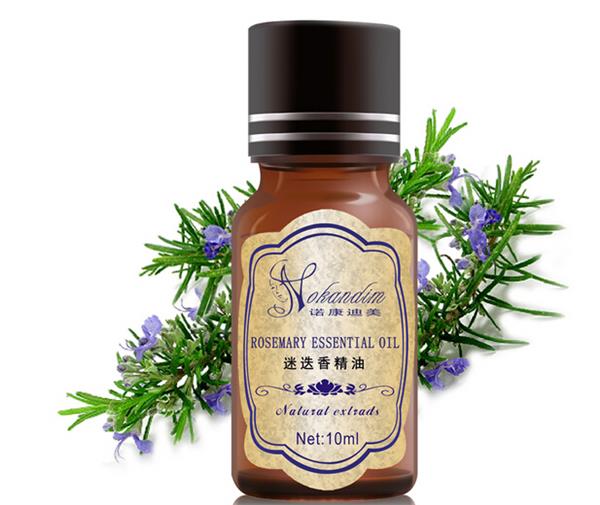
1. Because rosemary has multiple benefits, it is also made into essential oil. Rosemary essential oil has a significant effect on the brain and central nervous system, and using it can relieve fatigue.
2. It helps treat headaches, migraines, neuralgia, mental fatigue and neurasthenia; whether used for aromatherapy or massage, it is a good choice.
3. It also helps treat arteriosclerosis, palpitations, poor circulation and varicose veins.
What Is Rosemary: The Benefits and Effects of Eating Rosemary:
1. It has a scent that can make the mind clear, can stimulate our sense of taste and open the appetite; because of its unique fragrance, pairing it with other foods can greatly improve them.
2. It is also very effective for colds, abdominal bloating, obesity and so on. Therefore, for women, whether brewing it as tea or using it in cooking, it is a good choice.
3. It treats rheumatic pain and strengthens liver function; elderly people can take more of it because it has the effect of lowering blood sugar. It also helps in the treatment of arteriosclerosis.
 What is rosemary? Now that the editor has said so much, do you know? This herb is a good choice whether used medicinally or as food. Used in cooking, it can improve food; made into essential oil, it can refresh and wake you up; brewed as tea, it can beautify and nourish the appearance.
What Is Rosemary: The Benefits and Effects of Rosemary Essential Oil:
1. Because rosemary has multiple benefits, it is also made into essential oil. Rosemary essential oil has a significant effect on the brain and central nervous system, and using it can relieve fatigue.
2. It helps treat headaches, migraines, neuralgia, mental fatigue and neurasthenia; whether used for aromatherapy or massage, it is a good choice.
3. It also helps treat arteriosclerosis, palpitations, poor circulation and varicose veins.
What Is Rosemary: The Benefits and Effects of Eating Rosemary:
1. It has a scent that can make the mind clear, can stimulate our sense of taste and open the appetite; because of its unique fragrance, pairing it with other foods can greatly improve them.
2. It is also very effective for colds, abdominal bloating, obesity and so on. Therefore, for women, whether brewing it as tea or using it in cooking, it is a good choice.
3. It treats rheumatic pain and strengthens liver function; elderly people can take more of it because it has the effect of lowering blood sugar. It also helps in the treatment of arteriosclerosis.
What is rosemary? Now that the editor has said so much, do you know? This herb is a good choice whether used medicinally or as food. Used in cooking, it can improve food; made into essential oil, it can refresh and wake you up; brewed as tea, it can beautify and nourish the appearance.