When Does the Gardenia Bloom and How to Make It Flower
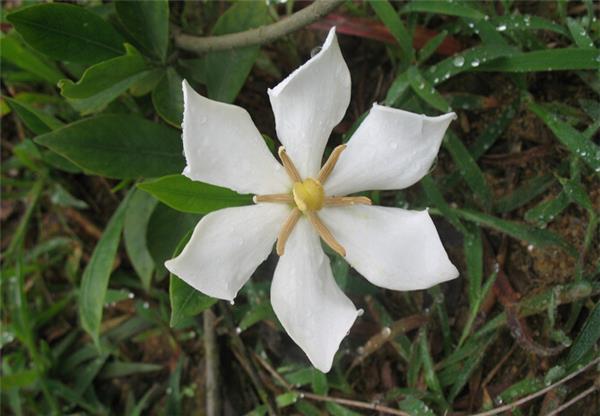
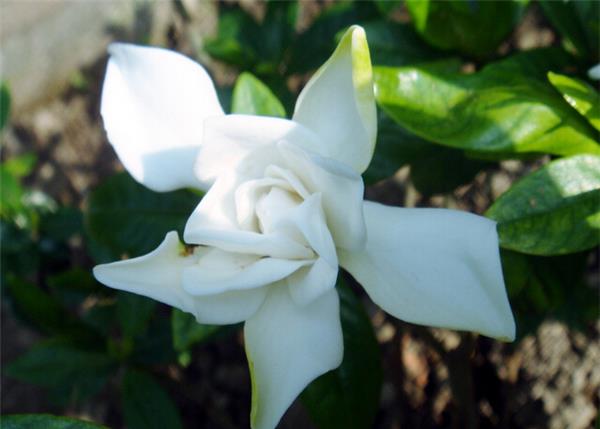
The gardenia (Gardenia jasminoides) belongs to the madder family (Rubiaceae). It is an evergreen shrub. The single leaves are opposite or in whorls of 3, obovate, leathery, and glossy green. The flowers are white and extremely fragrant. The berries are oval, yellow or orange. So, when does the gardenia bloom?
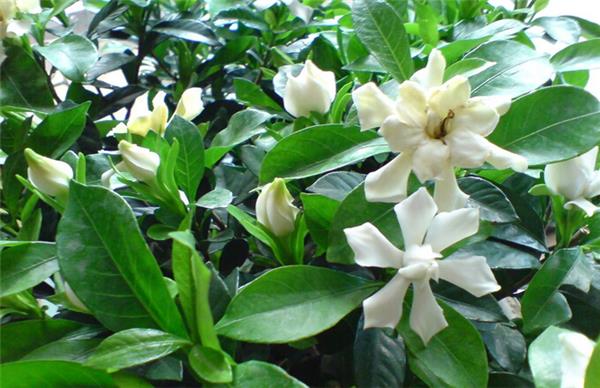
When does the gardenia bloom?
The gardenia likes a warm, humid environment with plenty of light and good ventilation, but it dislikes strong direct sun and scorching, and is suited to a slightly shaded spot; it tolerates partial shade, fears waterlogging, and is fairly cold-hardy. In Northeast China, North China and Northwest China it can only be grown as a potted greenhouse flower. The gardenia's flowering period is March to July, and the fruiting period is from May to February of the following year.
The gardenia grows the same in all four seasons, its leaves stay green year-round, and when it blooms it is fragrant and elegantly plain; its white flowers look especially fresh and lovely, making it very appealing. It is often grown in pots by people in courtyards, on balconies and in other places; it has strong environmental adaptability and grows well in all these places, and it has a strong decorative and ornamental effect. So, what methods can make a gardenia bloom?
How do you make a gardenia bloom?
*--1. Choose a suitable potting soil. The gardenia is a typical acid-loving flower, so a slightly acidic soil environment is the key to determining whether the gardenia grows well or poorly. For the growing medium you can choose leaf mold, peat soil, or composted sawdust plus half garden soil. Avoid old wall soil and coal cinders; using commercially available clivia soil is more convenient and practical.
*--2. Water scientifically. The gardenia likes moist soil and relatively high air humidity. During the growing period from April to September, keep the potting soil moist. Water as soon as the surface of the potting soil looks dry, and in the evening you can use a spray bottle to sprinkle water on the leaves. If it dries out completely and wilts, that is bad for growth. For plants that grow too vigorously with longer internodes, do not water in the evening; water again after the sun comes up in the morning.
*--3. Fertilize reasonably. The gardenia likes fertilizer; you can add 3% decomposed cake fertilizer to the growing medium as a base fertilizer. During the growing season, use alum fertilizer water made by composting cake fertilizer with ferrous sulfate once a week, or use a 0.1% humic acid complete-nutrient organic liquid fertilizer. At the bud stage, water once to twice with a 0.1% potassium dihydrogen phosphate aqueous solution, which can make the flowers larger and the fragrance richer. Stop fertilizing during the hottest summer period when the temperature is above 35°C and in autumn when it is below 15°C.
*--4. Light. The gardenia likes light; it can also grow in partial shade for a long time, but the flowering branches will be longer and the flowers fewer. Apart from the need for shade from strong midday light from July to August and during the winter dormant period, it generally needs to be kept in the sun to produce abundant flowers and lush leaves.
Pure white flowers and deep green leaves are a major characteristic of the gardenia. The small gardenia tree is a green plant that people grow at home in pots, used for ornament and to improve air quality. So, what distinctive characteristics does the gardenia have?
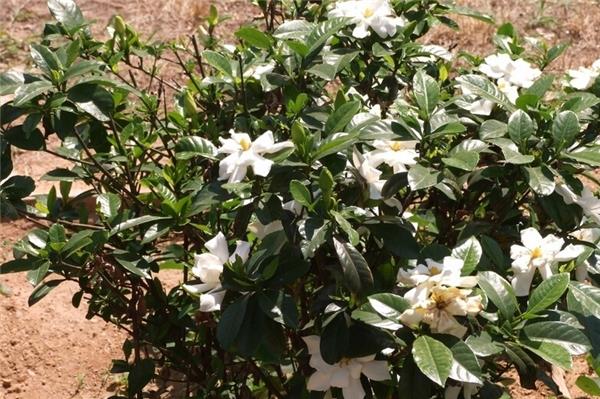
Characteristics of the gardenia
*1. The gardenia likes fertilizer, and it is best to apply organic fertilizers with a balanced, mild fertilizing power, such as composted soybean cake, sesame paste residue, peanut bran and so on; after fermentation and decomposition they can become acidic fertilizers, but they should only be applied in thin doses and often, and strongly concentrated fertilizer or raw fertilizer must be avoided.
*2. The gardenia is a flower that likes a humid environment, but if it is watered too much so that the potting soil holds too much water, the air in the soil will be reduced, the roots will be damaged, and the leaves will also turn black and drop.
*3. The gardenia also especially needs iron for nourishment; an iron deficiency will cause chlorosis.
*4. Excessive light can also cause the leaves to turn yellow or even fall off.
Among flowers, the gardenia is undoubtedly one of the more familiar ones, and people love to grow it at home, but many people do not know much about how to grow gardenias. Below we introduce the growing methods and points to note for gardenias.
Growing methods and points to note for the gardenia
*--1. Soil: The gardenia likes to grow in a slightly acidic soil environment, so when choosing soil for the gardenia, be careful to choose slightly acidic soil for growing it, and also note that the soil pH value is best kept between 4.0 and 6.5. Therefore, the choice of soil is also very important for the needs of growing it.
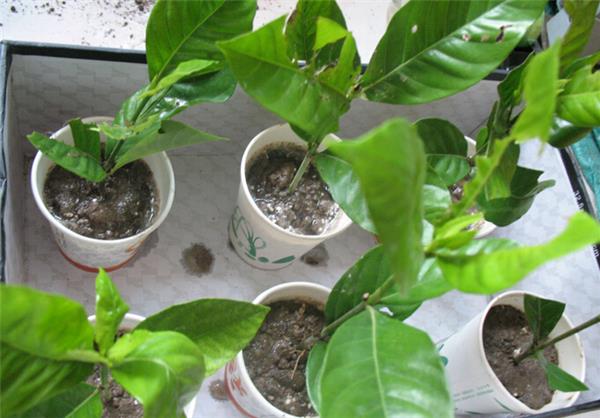
*--2. Temperature: The most suitable temperature for gardenia growth is 18°C-22°C, and 5-10°C is suitable for overwintering; below -10°C it is prone to freezing, and both too low and too high temperatures are extremely unfavorable for growth. In summer, the gardenia should be kept in a well-ventilated, high-humidity, light-filtering open woodland or shaded shed. In winter it should be placed in a sunny spot with a temperature not lower than 0°C, allowing it to go dormant naturally; too high a temperature will affect flowering the following year.
*--3. Water: The gardenia likes humidity, and during the growing period watering should be increased appropriately. Each watering is best done after the potting soil turns pale, and it must be watered thoroughly in one go. In the hot summer, spray water on the leaves 2-3 times a day to increase air humidity and help the plant cool down. After the gardenia forms buds, it should not be watered too much, to avoid causing the buds to drop. In winter, it is better to keep watering on the dry side to prevent waterlogging and root rot.
*--4. Sunlight: During the gardenia's growing period, attention should also be paid to its moderate light needs. The gardenia is a light-loving plant, so it is recommended to pay more attention to increasing the light time during spring and autumn, while in summer and winter it is recommended to place it indoors in a spot with light, to avoid too high or too low a temperature during growth.
*--5. Fertilizer: The gardenia's demand for nutrients is also very high. In order to meet the gardenia's fertilizer needs during the growing period, it is recommended that during the gardenia's vigorous growth period, fertilizers such as soybean cake, sesame paste residue and peanut bran be applied once every half month; this also helps the flowers bloom abundantly and vigorously.
*--6. Pruning: The gardenia has extremely strong sprouting ability and easily develops overlapping branches, leading to poor ventilation and scattered nutrients, so attention should be paid to timely pruning. Pruning should select and keep three main branches according to the tree shape, and other branches sprouting from root suckers should be cut off at any time. After the gardenia flowers fade, the branches should be cut back promptly to encourage new branches to sprout. When the gardenia's new branches have grown three nodes, pinch out the tips immediately to prevent blind growth.
 We hope the editor's introduction has let everyone understand the gardenia's flowering period and will be of some help to you in growing gardenias in the future. The gardenia is one of the flowers widely recognized by flower-growing enthusiasts as difficult to grow. In fact, as long as you understand any plant's habits, give it a suitable environment and proper management according to its requirements, no plant is difficult to grow, and the gardenia is no exception.
*--4. Sunlight: During the gardenia's growing period, attention should also be paid to its moderate light needs. The gardenia is a light-loving plant, so it is recommended to pay more attention to increasing the light time during spring and autumn, while in summer and winter it is recommended to place it indoors in a spot with light, to avoid too high or too low a temperature during growth.
*--5. Fertilizer: The gardenia's demand for nutrients is also very high. In order to meet the gardenia's fertilizer needs during the growing period, it is recommended that during the gardenia's vigorous growth period, fertilizers such as soybean cake, sesame paste residue and peanut bran be applied once every half month; this also helps the flowers bloom abundantly and vigorously.
*--6. Pruning: The gardenia has extremely strong sprouting ability and easily develops overlapping branches, leading to poor ventilation and scattered nutrients, so attention should be paid to timely pruning. Pruning should select and keep three main branches according to the tree shape, and other branches sprouting from root suckers should be cut off at any time. After the gardenia flowers fade, the branches should be cut back promptly to encourage new branches to sprout. When the gardenia's new branches have grown three nodes, pinch out the tips immediately to prevent blind growth.
We hope the editor's introduction has let everyone understand the gardenia's flowering period and will be of some help to you in growing gardenias in the future. The gardenia is one of the flowers widely recognized by flower-growing enthusiasts as difficult to grow. In fact, as long as you understand any plant's habits, give it a suitable environment and proper management according to its requirements, no plant is difficult to grow, and the gardenia is no exception.