Master the cultivation methods for rubber plants and grow healthy rubber plants
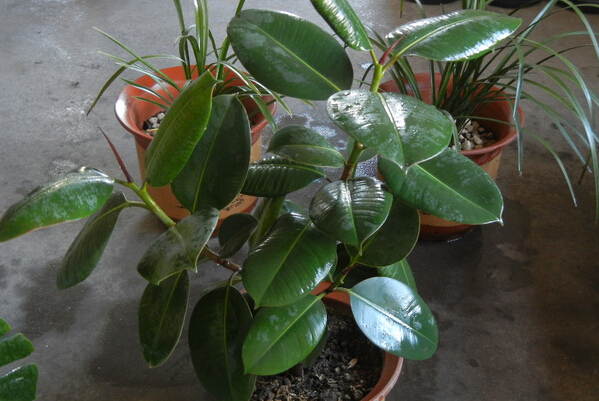
The rubber plant, also known as the Indian rubber tree or Indian rubber fig, has milky sap in its stems, broad leaves with thick leathery texture, and red young buds. It likes a warm, hot and humid climate, prefers ample light, and also tolerates shade. The optimum growing temperature is 20-25°C. The rubber plant is evergreen all year round, with thick, broad, dark green and glossy leaves. It is highly adaptable and easy to cultivate, making it an outstanding choice for indoor greening at home. Arrange it according to plant size: small plants can be placed on a windowsill with scattered light or sunlight, a bedside table, a coffee table, a desk, or a flower stand; large plants can be placed low beside a sofa, in front of a floor-to-ceiling window, or in a corner. So, what are the cultivation methods and precautions for rubber plants?
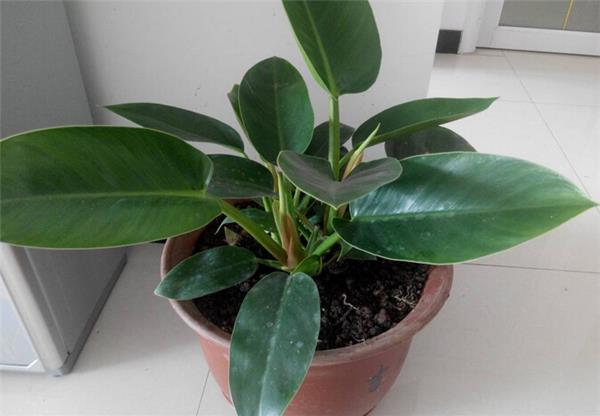
 1. Choosing flower pots for rubber plant cultivation
(1) Pot material requirements: clay pots, plastic pots, porcelain pots, or ceramic pots can all be used for cultivation.
(2) Pot size: rubber plants can be planted in pots with a diameter of 20-30 cm.
2. Preparing potting soil for rubber plant cultivation
The rubber plant likes fertile, loose sandy soil. The growing medium can be a mix of leaf mold, garden soil, and river sand at 1/3 each, with a small amount of cake fertilizer added as a base fertilizer. During the young plant stage, it is best to repot once every other year.
3. Watering methods for rubber plant cultivation
The rubber plant likes moisture and humidity but dislikes waterlogging and cannot tolerate drought. In spring and autumn, the potting soil should be kept moist, and water should often be sprinkled on its leaves and around it to increase air humidity.
In summer, the rubber plant has a relatively high water demand and needs watering every day to keep the potting soil moist, while also increasing the frequency of sprinkling. When winter temperatures are low, it is better to water so that the potting soil is on the moist-to-dry side, but if the winter temperature is around 10°C, the potting soil should be kept moist; when the potting soil is relatively dry, leaves tend to drop.
4. Fertilization methods for rubber plant cultivation
The rubber plant likes fertilizer but dislikes nitrogen fertilizer. When there is too much nitrogen fertilizer, the stem nodes grow excessively, the distance between leaves increases, and the plant shape becomes unattractive.
During the growing season for young plants, apply once every 20 days a diluted 10-fold liquid fertilizer mixed with an equal amount of 500-fold potassium dihydrogen phosphate solution, or apply 1000-fold "Huaduoduo" general-purpose fertilizer twice. For established plants, to control height, apply the mixed liquid fertilizer once every 2 months during the growing season.
5. Light and temperature requirements for rubber plant cultivation
The rubber plant needs ample light for growth, but it is also fairly shade-tolerant. Therefore, for indoor care, it is best to place it near a south-facing window in a spot with ample light, and pay attention to air circulation. The overwintering temperature must be kept above 10°C. Long periods of low temperature and wet potting soil can easily cause root rot. In home cultivation, it is generally moved outdoors for care from late April to early October each year; on hot summer noons, simply pay attention to providing shade.
6. Four-season management methods for rubber plant cultivation
※(1) Spring management※
Each spring, when the temperature stabilizes at around 15°C, repot it, and prune appropriately before repotting.
The rubber plant is robust by nature and simple to manage. In spring, it should be placed in a spot with light, kept with moist potting soil, and sprinkled and misted around it frequently to increase air humidity. For young plants, fertilization can begin after new leaves appear. When the temperature is relatively high in late spring, move it to a semi-lit location or an indoor spot with scattered light for placement and cultivation.
※(2) Summer management※
The rubber plant tolerates high temperatures and strong sun, but when the light is too strong, the leaves easily lose their gloss, which is not good for ornamental value. The rubber plant can be placed in a bright indoor spot. Indoor spots with weaker light are not good for its growth.
Because the rubber plant has many large leaves and uses a lot of water, it should be watered promptly to keep the potting soil moist, while also misting its leaves and surroundings more to meet its air humidity requirements.
※(3) Autumn management※
In autumn, the potted plant should be moved to a windowsill or balcony with light for cultivation, keeping the potting soil moist; when the temperature is relatively high at noon, sprinkle and mist water around it and on the leaves to increase air humidity.
In autumn, to enhance its cold resistance, it can be left outdoors in low temperatures for a period of hardening, but it must not be exposed to frost; before frost falls, it should be moved promptly into a lighted indoor area.
※(4) Winter management※
The rubber plant is not cold-tolerant, but it can withstand short periods of low temperature at 0°C. However, the indoor temperature should be kept at around 5°C. At this time, the rubber plant's growth is at a standstill, so ample light should be ensured, and the potting soil should be kept moist but on the dry side; overly wet potting soil easily causes root rot. When the temperature is relatively high at noon, sprinkle and mist water around it and on the leaves several times.
7. Propagation methods for rubber plant cultivation
It is mostly propagated by cuttings. Cutting is best done in spring and autumn. If summer cuttings are watered improperly, the cuttings easily rot. When taking cuttings, cut off one-year-old semi-lignified branches, remove the tender tip portion, and choose the middle section as the cutting for the highest survival rate. The cutting should be 2-3 nodes long, retain 1 upper leaf, and cut that leaf in half, or roll the retained leaf upward and tie it with string, to facilitate cutting and reduce water transpiration. Before inserting the cutting, first seal the upper and lower cut ends of the cutting with clay to prevent too much sap from flowing out and affecting survival, then insert the cutting into plain sand; under conditions above 20°C, roots can form about 40-50 days after insertion. In addition to the above propagation by cuttings, single-bud cuttings, air layering, or water propagation can also be used.
8. Precautions for rubber plant cultivation
※(1) The optimum growing temperature for the rubber plant is 25-30°C. In winter, if it is below 3°C, the leaves will turn yellow and drop, so in winter it should be placed in a sunny indoor spot and the room temperature kept above 10°C. In summer, when it exceeds 35°C, the plant should be moved to a cool, ventilated place for care, and water should be sprayed in a timely manner to lower the temperature.
※(2) The rubber plant is a plant in the mulberry family, and the whole plant contains milky sap. Therefore, after each pruning, immediately seal the cut with clay or apply charcoal powder to avoid excessive sap flow causing dehydration and death.
※(3) During the seedling stage, the rubber plant needs to have the direction of the pot rotated regularly, in order to avoid the plant growing toward one side, which would make the plant shape less upright and affect its appearance.
The rubber plant likes strong sunlight. From spring to autumn, throughout the growing season, it should be cultivated in sunlight, and in winter it should also be placed in a spot with relatively strong light; but it can also tolerate shade, and cultivation indoors under low light is also fairly good. In addition, to make the plant grow evenly and ensure a good plant shape, pinch out the growing tip when the seedling reaches a height of 50-80 cm to promote the sprouting of side branches; after side branches grow, choose 3-5 branches, and afterward shorten-prune the side branches once each year; after 2-3 years, a relatively large plant with a complete, round and full shape can be obtained. It is hoped that the editor's introduction can help everyone better understand the cultivation methods for rubber plants.
6. Four-season management methods for rubber plant cultivation※(1) Spring management※
Each spring, when the temperature stabilizes at around 15°C, repot it, and prune appropriately before repotting.
The rubber plant is robust by nature and simple to manage. In spring, it should be placed in a spot with light, kept with moist potting soil, and sprinkled and misted around it frequently to increase air humidity. For young plants, fertilization can begin after new leaves appear. When the temperature is relatively high in late spring, move it to a semi-lit location or an indoor spot with scattered light for placement and cultivation.
※(2) Summer management※
The rubber plant tolerates high temperatures and strong sun, but when the light is too strong, the leaves easily lose their gloss, which is not good for ornamental value. The rubber plant can be placed in a bright indoor spot. Indoor spots with weaker light are not good for its growth.
Because the rubber plant has many large leaves and uses a lot of water, it should be watered promptly to keep the potting soil moist, while also misting its leaves and surroundings more to meet its air humidity requirements.
※(3) Autumn management※
In autumn, the potted plant should be moved to a windowsill or balcony with light for cultivation, keeping the potting soil moist; when the temperature is relatively high at noon, sprinkle and mist water around it and on the leaves to increase air humidity.
In autumn, to enhance its cold resistance, it can be left outdoors in low temperatures for a period of hardening, but it must not be exposed to frost; before frost falls, it should be moved promptly into a lighted indoor area.
※(4) Winter management※
The rubber plant is not cold-tolerant, but it can withstand short periods of low temperature at 0°C. However, the indoor temperature should be kept at around 5°C. At this time, the rubber plant's growth is at a standstill, so ample light should be ensured, and the potting soil should be kept moist but on the dry side; overly wet potting soil easily causes root rot. When the temperature is relatively high at noon, sprinkle and mist water around it and on the leaves several times.
7. Propagation methods for rubber plant cultivation
It is mostly propagated by cuttings. Cutting is best done in spring and autumn. If summer cuttings are watered improperly, the cuttings easily rot. When taking cuttings, cut off one-year-old semi-lignified branches, remove the tender tip portion, and choose the middle section as the cutting for the highest survival rate. The cutting should be 2-3 nodes long, retain 1 upper leaf, and cut that leaf in half, or roll the retained leaf upward and tie it with string, to facilitate cutting and reduce water transpiration. Before inserting the cutting, first seal the upper and lower cut ends of the cutting with clay to prevent too much sap from flowing out and affecting survival, then insert the cutting into plain sand; under conditions above 20°C, roots can form about 40-50 days after insertion. In addition to the above propagation by cuttings, single-bud cuttings, air layering, or water propagation can also be used.
8. Precautions for rubber plant cultivation
※(1) The optimum growing temperature for the rubber plant is 25-30°C. In winter, if it is below 3°C, the leaves will turn yellow and drop, so in winter it should be placed in a sunny indoor spot and the room temperature kept above 10°C. In summer, when it exceeds 35°C, the plant should be moved to a cool, ventilated place for care, and water should be sprayed in a timely manner to lower the temperature.
※(2) The rubber plant is a plant in the mulberry family, and the whole plant contains milky sap. Therefore, after each pruning, immediately seal the cut with clay or apply charcoal powder to avoid excessive sap flow causing dehydration and death.
※(3) During the seedling stage, the rubber plant needs to have the direction of the pot rotated regularly, in order to avoid the plant growing toward one side, which would make the plant shape less upright and affect its appearance.
The rubber plant likes strong sunlight. From spring to autumn, throughout the growing season, it should be cultivated in sunlight, and in winter it should also be placed in a spot with relatively strong light; but it can also tolerate shade, and cultivation indoors under low light is also fairly good. In addition, to make the plant grow evenly and ensure a good plant shape, pinch out the growing tip when the seedling reaches a height of 50-80 cm to promote the sprouting of side branches; after side branches grow, choose 3-5 branches, and afterward shorten-prune the side branches once each year; after 2-3 years, a relatively large plant with a complete, round and full shape can be obtained. It is hoped that the editor's introduction can help everyone better understand the cultivation methods for rubber plants.