A comprehensive collection of super practical tips for propagating succulents
Around the world, there are roughly more than 10,000 kinds of succulents, among which Crassulaceae and Cactaceae succulents are the most popular and are also the succulents most often grown by people. Do succulents, together with other plants, possess a very unique beauty? When combined with other plants to make bonsai, they can produce very surprising effects, and thus they are cultivated all over the world. But do you know the methods of succulent propagation, and do you know which methods can be used to propagate succulents? Below, let us take a look at the methods of succulent propagation.
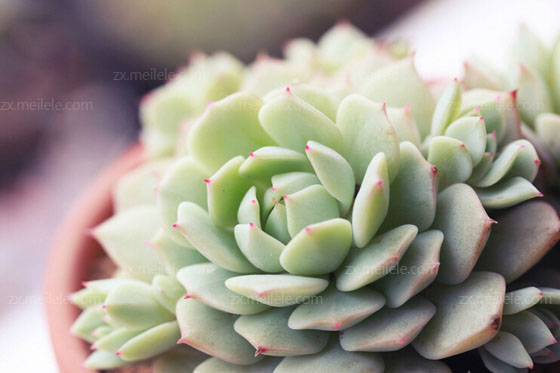
Grafting propagation as a succulent propagation method
Grafting to propagate succulents should be carried out during their growth period, that is, in early summer. When grafting, the weather should be clear and the air dry; choose robust, disease-free succulent rootstock and scion for grafting, and note that the rootstock and scion must not be too old and woody, nor too tender, and the height of the rootstock interface should be determined according to actual conditions. After successful grafting, careful management should be noted; grafted succulents should be placed in a cool, ventilated place, avoid exposure to blazing sunlight, and also avoid the grafting wound contacting water, otherwise grafting is likely to fail, or the succulents that grow will have an unattractive shape. In addition, when the rootstock grows side shoots, the side branches should be removed in time to ensure the growth of the scion.
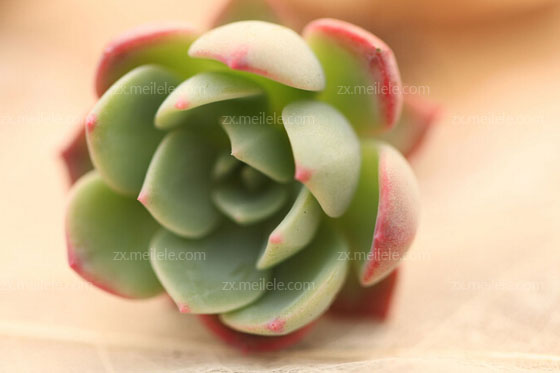
Cutting propagation as a succulent propagation method
Cutting propagation is a relatively commonly used method. Cutting propagation of succulents is generally carried out in spring. When taking cuttings, choose healthy, disease-free succulent plants or a certain part of a succulent, and the cuttings should be disinfected and sterilized to avoid bacterial infection; then choose a mature succulent plant, place it in a place with good ventilation and sufficient sunlight at a room temperature of about 20°C to dry, and after the wound heals, it can be inserted into the prepared thick cutting bed. Note that the cutting bed should maintain good air permeability and good drainage performance. After the cuttings take root, reduce the amount of watering, better less than more, and avoid waterlogging.
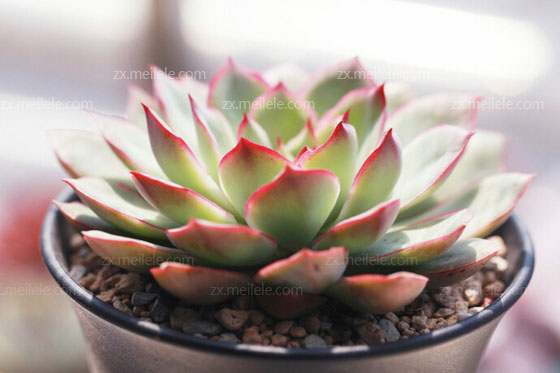
Division propagation as a succulent propagation method
This is also a commonly used succulent propagation method. As everyone knows, among succulents there is a group of succulents that grow in clusters, or some have relatively thick tuberous roots, and these succulents can use the division propagation method. Choose healthy succulents, remove excess potting soil, then divide them when repotting; divided succulent offsets that are growing well and have already developed independent roots can be separated, and then potted separately. The survival rate of succulents propagated by this method is still relatively high. It is suitable for succulents of Crassulaceae, Cactaceae and Asclepiadaceae.
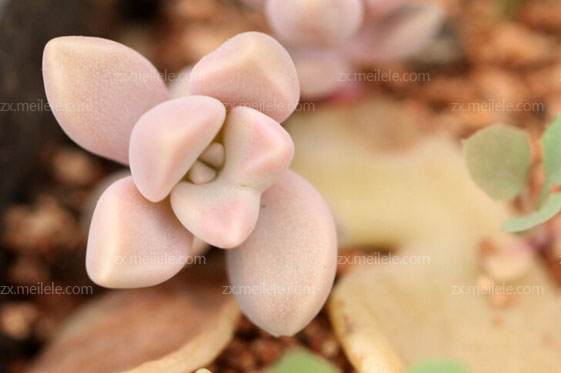
Adventitious bud propagation as a succulent propagation method
This propagation method is more suitable for succulents that reproduce by plantlets on leaves, such as Kalanchoe tubiflora, Kalanchoe stenophylla, Kalanchoe rotundifolia, Kalanchoe manginii, Kalanchoe blossfeldiana, and other Crassulaceae Kalanchoe succulents related to leaf plantlet reproduction; adventitious bud propagation can be carried out. The propagation time is best chosen between May and June in summer. Choose robust succulent leaves and place them on a sand bed, pressing them tightly against the sand, and note that the sand should be kept moist. After about 1 week, small plantlets can grow from around the leaves, and once the plantlets take root, they can become a plant of their own.
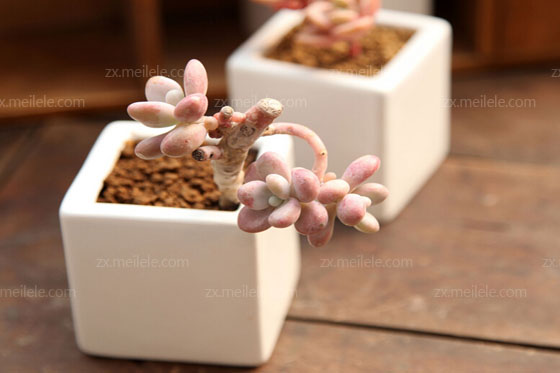
Conclusion: In addition to the above propagation methods, succulent propagation can also use seed propagation, root cutting propagation and leaf cutting propagation. However, no matter which propagation method is used, there are many cultivation precautions to note, and only by doing these well can you successfully grow succulents well.
[You may be interested in]
☑ Northern yew ☑ Embroidery crafts ☑ Silk quilt maintenance ☑ Clivia nobilis ☑ How to choose a mattress
☑ Ink wash landscape painting ☑ Sell cross-stitch ☑ Impatiens pictures ☑ Anti-bedsore mattress ☑ How to grow Anthurium
Only then can you successfully grow succulents well.[You may be interested in]
☑ Northern yew ☑ Embroidery crafts ☑ Silk quilt maintenance ☑ Clivia nobilis ☑ How to choose a mattress
☑ Ink wash landscape painting ☑ Sell cross-stitch ☑ Impatiens pictures ☑ Anti-bedsore mattress ☑ How to grow Anthurium