What are the effects and functions of globe amaranth?
Globe amaranth has brilliant flowers in three colors - red, purple and white - and it has achieved a great deal in ornamental value. So besides decorating the home for people to admire, what effects and functions does globe amaranth have? Follow along with the questions below, and you will discover the medicinal functions of globe amaranth.
Editor's picks: The "Five Elements Theory" of growing flowers at home, which flowers are suitable for indoor cultivation, an introduction to lavender growing methods
>>Click the image to learn more related content
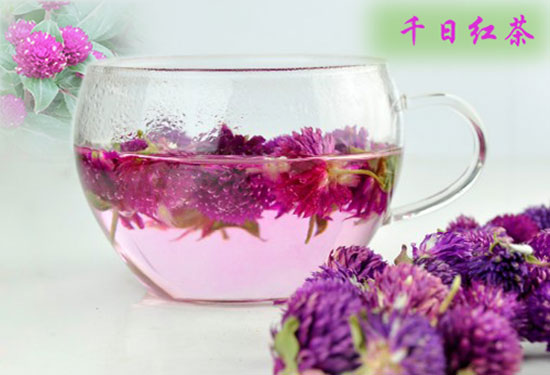
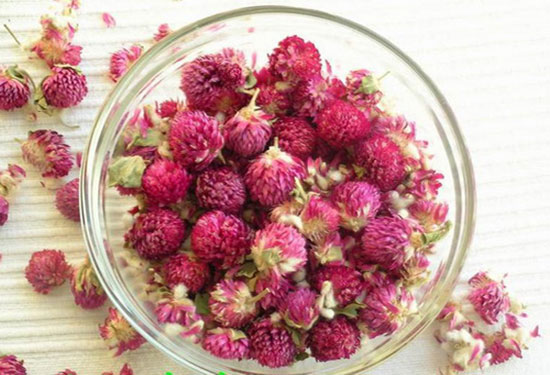
Characteristics of globe amaranth: an annual herbaceous plant, with a plant height of 45-60 cm. The plant has many branches. Oval leaves grow opposite each other. The flowers are spherical and all bloom at the tips of the branches. The flowers are small and dense, and the membranous bracts are very attractive, light purple, not falling off after drying, and the color is hard to fade. The flower colors are divided into white, purple and red, and the flowering period is from August to October.
>>Click the image to learn more related content
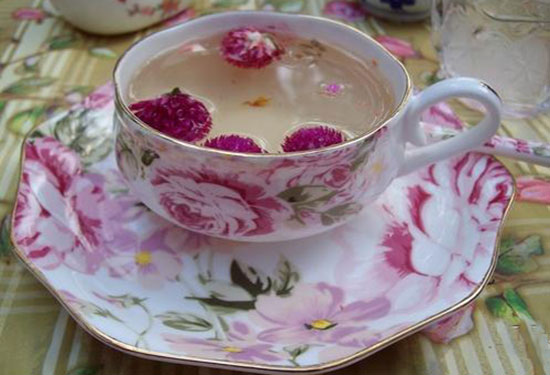
What effects and functions does globe amaranth have?: The flowers of globe amaranth are dry and membranous, so although the leaves may wither the flowers remain, and although time passes the bright color does not fade. It is suitable for arranging flower beds, flower borders or potted plants, and the effect is especially good as cut flowers. People often pick the inflorescences and make them into dried flowers as ornaments. The inflorescences are used as medicine to treat whooping cough, asthma and other diseases.

>>Click the image to learn more related content
Globe amaranth is native to subtropical regions and has a habit of liking warmth and dryness, but it is not cold-tolerant, and it also has high requirements for sunlight - the stronger the light, the better it grows. It requires sufficient sunlight, and then it is naturally robust. For soil, loose, fertile soil with good drainage is suitable.
>>Click the image to learn more related content
Cultivation: Because its flowers are membranous and its leaves have fuzz, globe amaranth is especially drought-tolerant, so when planted in the open ground it does not need frequent watering, and it rarely suffers from pests and diseases, but it dislikes waterlogging, so pay attention to drainage in summer. Its root system is relatively shallow, and a single plant tends to fall over, so support stakes are needed. Apply sufficient base fertilizer when planting, and no further fertilizing is needed afterward.