A Detailed Guide to the Growth Process of Potted Impatiens
Impatiens is also called henna. Besides its rich and colorful flowers that make it a great ornamental plant, let's take a look together at the growth process of impatiens.
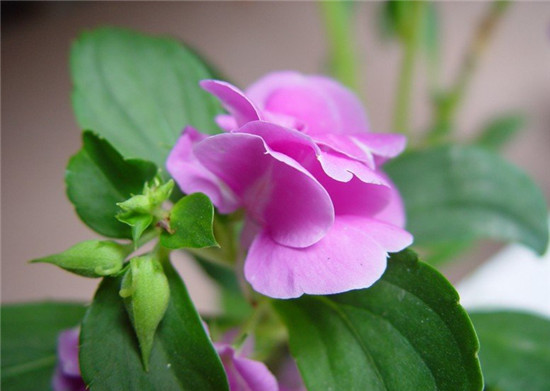
Impatiens, also known as henna, nail-dyeing flower, little peach red, etc., has flowers shaped like butterflies. The flower colors include pink, bright red, purple, white-yellow, wine-gold, and more. It varies easily, and some varieties can produce flowers of several colors on the same plant.
Speaking of henna, many girls born in the 1980s must have an impression of it. Picking a handful of impatiens petals and painting them on all 10 fingers - the beautiful childhood feeling comes pouring out all at once. Thinking back to those years, without understanding how to grow impatiens, I effortlessly watched it bloom for me. That feeling was extremely wonderful and comforting! Now thinking about it, this still comes down to the tenacious vitality of impatiens. Impatiens comes in many colors, and its blooming appearance is somewhat similar to peach blossoms, so some people also call it fake peach blossom.
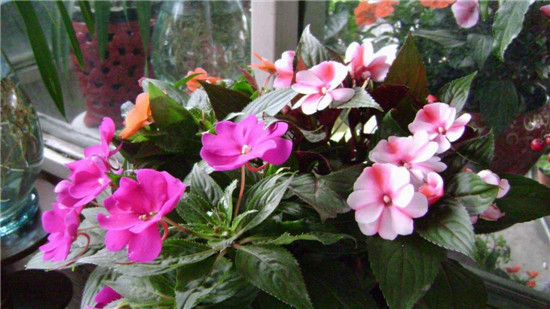
The summer climate in the south is hot and dry, which exactly matches the growth habits of impatiens - impatiens likes sunlight, fears moisture, tolerates heat but not cold, and is suitable for growing in loose, fertile, slightly acidic soil, but it also tolerates poor soil. So you don't need to worry at all that impatiens is hard to grow. Actually, doing anything with enough care will show good signs, and growing flowers is the same!
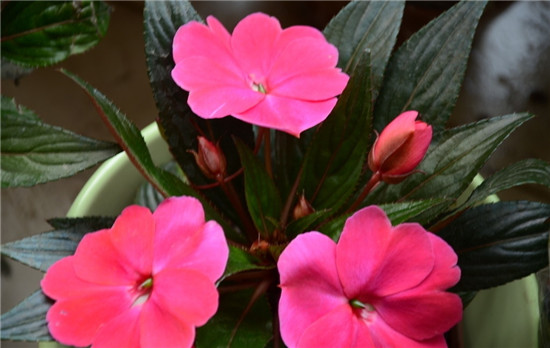
The Growth Process of Impatiens
1. One week after the impatiens seedlings emerge, the first pair of true leaves grows. (Sowing in April, germination)
2. During the growing period, impatiens rapidly grows lush leaves.
3. Impatiens grows flower buds and is preparing to bloom.
4. Impatiens blooms. (During the May flowering period, impatiens needs pinching, topdressing, and waterlogging prevention. From June to August, pest and disease control should be carried out.)
ps: During the flowering period, the pinching method can be used, and at the same time remove early-opening flowers and buds, so that the plant keeps expanding and grows more flower buds.
5. Impatiens sets seed. (From September to October, seeds can be saved. Be especially careful when collecting seeds - they burst open at a touch. Haha, this matches its flower language extremely well: "Don't touch me.")
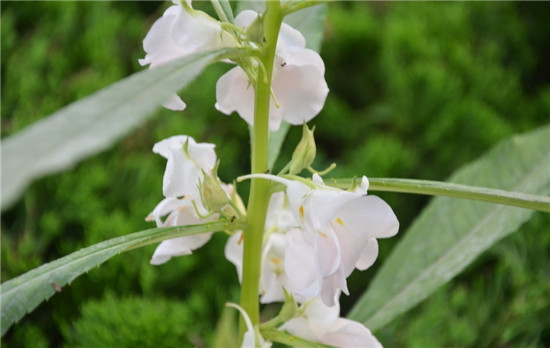
Cultivation Methods for Impatiens
1. Planting: Generally sow in spring from March to April. You can sow in a seedbed, or sow directly in a courtyard flowerbed.
2. Light and temperature: Impatiens likes light and tolerates shade. It needs at least 4 hours of scattered sunlight each day. In summer it should be shaded, and in winter it should be moved into a greenhouse to prevent freezing.
3. Watering and fertilizing: After planting, water promptly and fertilize frequently. Take special care not to let the soil alternate between dry and wet. In summer, never water wilted plants under the scorching sun. Especially during the flowering period, they must not suffer drought, otherwise the flowers easily drop.
4. Flowering period control: If you want to delay the flowering period, you can sow in early July. You can also use the pinching method, and at the same time remove early-opening flowers and buds, so that the plant keeps expanding, with topdressing once every 15-20 days. After September, more flower buds will form, making them bloom on National Day. At the same time, pay attention to disease prevention and control.
The above is all the content I have summarized for you on the growth process of potted impatiens. I hope this article can help everyone. Please also continue to follow us.