How to grow rosemary? A step-by-step guide to the planting method
Rosemary prefers a warm climate, but in the lowlands of Taiwan, China, it grows slowly during the high-temperature period, and temperatures in winter without cold snaps are more suitable for its growth. As for water supply, since rosemary leaves are leathery, the plant is relatively drought-tolerant, so soil rich in sand that drains well is more conducive to its growth and development. It is worth noting that rosemary grows slowly, which also means its regenerative capacity is not strong, so extra care must be taken when pruning and harvesting. In particular, old branches become woody very quickly, and a single overly aggressive hard pruning often leaves the plant unable to sprout again. The safer approach is never to cut off more than half the length of a branch at each pruning. So, what exactly is the planting method for rosemary?
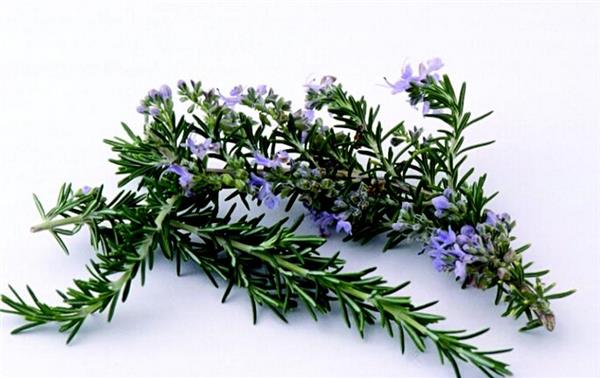
The planting method for rosemary
☆Propagation: Suitable propagation methods for rosemary include sowing, cuttings, layering and so on. Rosemary seeds germinate slowly and have a low germination rate, so they are usually used only when introducing new varieties. Large-scale cultivation of standard varieties mostly uses vegetative propagation. For small-scale production, a superior plant that has grown to 30 cm to 40 cm can be used directly as the mother plant, and pinching is done to encourage the mother plant to produce plenty of side branches for collecting cuttings. Young shoots of 3 cm to 5 cm and non-lignified soft tips 7 cm to 10 cm long on the mother plant can all be used as cuttings.
☆Cuttings: After taking them, trim off the leaves at the base and place them in a container of clean water until needed. In large-scale production, taking cuttings yourself usually costs a great deal of effort, and an economical method is to buy unrooted cuttings directly from a seedling supplier with reliable quality.
☆Sticking cuttings: The substrate can be perlite, peat soil, loess, coarse river sand, etc., or a mixed substrate. To speed up rooting, rooting promoters such as indoleacetic acid or naphthaleneacetic acid can be used. During the rooting period, the suitable temperature in the greenhouse is 22°C, and the cuttings need to be misted frequently, but excessive moisture will cause the tops of the cuttings to rot and the roots produced will not be robust enough. In the first 10 to 14 days, the cuttings begin to root, and special care must be taken to prevent them from wilting.
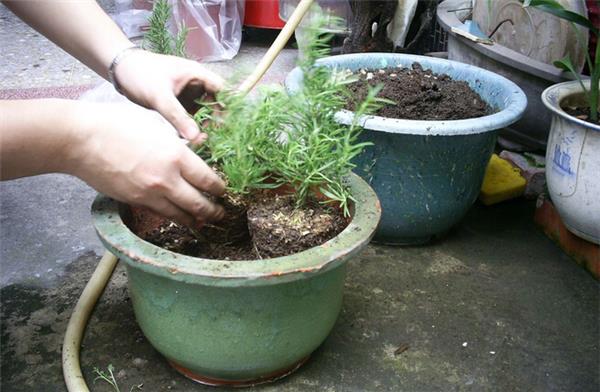
☆Transplanting: Transplant after the cuttings have rooted. Generally they are transplanted into flower pots with a diameter of 10 cm, and depending on the variety and season, they are grown in 10 cm pots for 6 to 10 weeks. During this period, prune in time to encourage better side-branch growth, and never cut off more than half the length of a branch at each pruning.
☆Fertilizer: Generally 14-4-14 is used, preferably at a concentration of 125 ppm. During this period, keep the substrate pH between 5.8 and 6.2. If you are worried about pH changes, in winter you can switch to nitrate nitrogen instead of ammonium nitrogen. Normally, using chelated iron helps maintain a suitable pH in the substrate.
☆Watering: This is the most critical technique in growing rosemary. The basic principle is: if you are not sure whether to water today, then water tomorrow. In other words, rosemary fears wetness, not dryness.
☆Pest and disease management: In humid environments, root rot, gray mold and so on are common diseases of rosemary. If the rosemary plant wilts while the growing substrate is still moist, the plant needs to be moved out of the greenhouse immediately. The most common pests are red spider mites and whiteflies, and at present the most ideal method is biological control. Whatever the pest or disease, prevention is key, and you can start with sanitation, proper water management, reasonable temperature and light, and you need to observe frequently and promptly remove diseased and weak plants.
Rosemary leaves carry a tea-like fragrance, with a pungent, slightly bitter taste. They are often used in cooking and can also be brewed as an herbal tea. It is an evergreen shrub. In ancient times rosemary was believed to enhance memory. At present, rosemary is recognized as the plant with the most antioxidant activity, and its antioxidant components are mainly carnosic acid, carnosol, rosmanol, ursolic acid, rosmarinic acid and other compounds. So, what are the effects and benefits of rosemary?
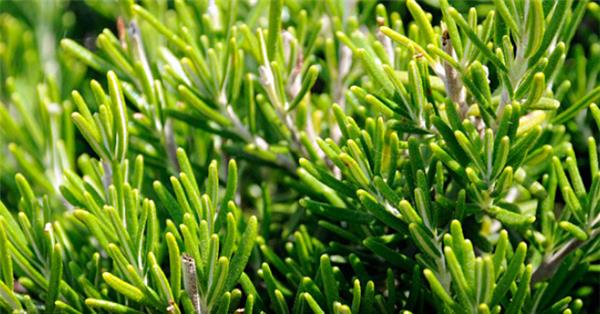
The effects and benefits of rosemary:
☆1. The flowers and seeds of rosemary can relieve headaches, help with sleep and prevent hair loss. It also has a certain sterilizing and antiviral effect. Adding a few leaves during cooking can remove fishiness. The fresh herb can be used for tea, bathing, and removing sweat while refreshing the mind. After distillation, the fresh flowers can produce aromatic oil. The world's first perfume, Hungary Water, was made from rosemary extract.
☆2. Rosemary can relieve bloating, enhance memory, refresh the mind, reduce headache symptoms and improve the appearance of hair loss (not suitable for pregnant women to drink). Rosemary tea has a fragrance that can make the mind clear, can enhance brain function, can improve headaches and boost memory. Students who need to memorize a great deal may as well drink more rosemary tea. In addition, it is also very effective for colds, abdominal bloating, obesity and so on.
☆3. Rosemary can improve impairments in speech, vision and hearing, enhance concentration, treat rheumatic pain, strengthen liver function, lower blood sugar, help in the treatment of arteriosclerosis, and help paralyzed limbs regain vitality.
☆4. Rosemary has a strong astringent effect, which can help us clean hair follicles and the deeper layers of the skin, and can make pores smaller, thus making the skin look finer and smoother.
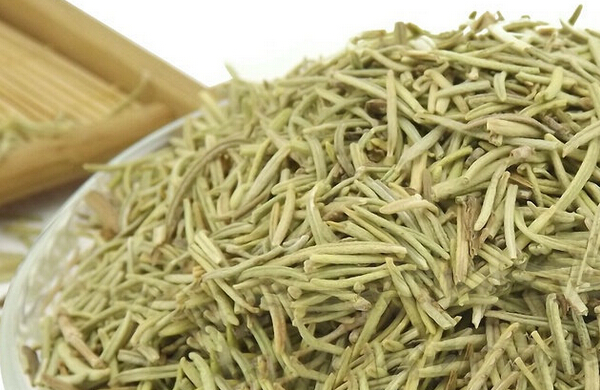
☆5. Rosemary can effectively promote blood circulation in the scalp, improve hair loss and reduce the occurrence of dandruff.
Rosemary has high edible and medicinal value. In Western cuisine, rosemary can be used as a spice to add flavor to dishes. Rosemary has the effect of refreshing the mind, and it also has therapeutic effects on indigestion and stomach pain. Rosemary can promote blood circulation and has a certain relieving effect on headaches. So, how should rosemary be stored?
The secrets of storing rosemary
When storing rosemary, be sure to place it in a ventilated, dry place, try to avoid sunlight, and do not place it together with items with strong odors.
☆Rosemary avoids moisture: Rosemary has a strong tendency to absorb moisture and become damp again. When storing, a relative humidity of 60% is more suitable.
☆Rosemary avoids high temperatures: The best storage temperature for rosemary is 0-5°C.
☆Rosemary avoids odors: Rosemary contains high-molecular-weight palm enzyme and terpene compounds. These substances are inherently active and extremely unstable, and can absorb odors widely.
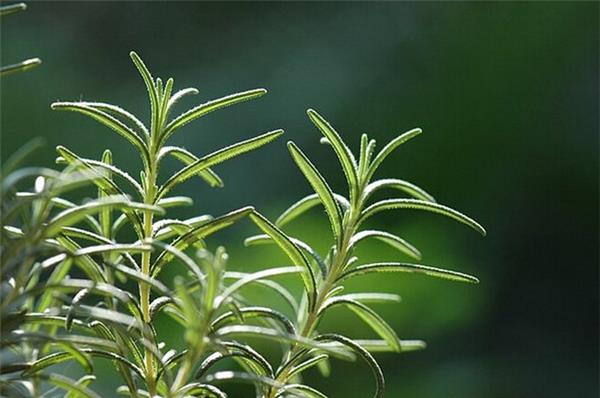
 The above is a summary of the planting methods and effects of rosemary. We hope it can help everyone better understand rosemary and grow rosemary better.
☆5. Rosemary can effectively promote blood circulation in the scalp, improve hair loss and reduce the occurrence of dandruff.
Rosemary has high edible and medicinal value. In Western cuisine, rosemary can be used as a spice to add flavor to dishes. Rosemary has the effect of refreshing the mind, and it also has therapeutic effects on indigestion and stomach pain. Rosemary can promote blood circulation and has a certain relieving effect on headaches. So, how should rosemary be stored?
The secrets of storing rosemary
When storing rosemary, be sure to place it in a ventilated, dry place, try to avoid sunlight, and do not place it together with items with strong odors.
☆Rosemary avoids moisture: Rosemary has a strong tendency to absorb moisture and become damp again. When storing, a relative humidity of 60% is more suitable.
☆Rosemary avoids high temperatures: The best storage temperature for rosemary is 0-5°C.
☆Rosemary avoids odors: Rosemary contains high-molecular-weight palm enzyme and terpene compounds. These substances are inherently active and extremely unstable, and can absorb odors widely.
The above is a summary of the planting methods and effects of rosemary. We hope it can help everyone better understand rosemary and grow rosemary better.