Is Datura Poisonous? Proper Treatment After Poisoning
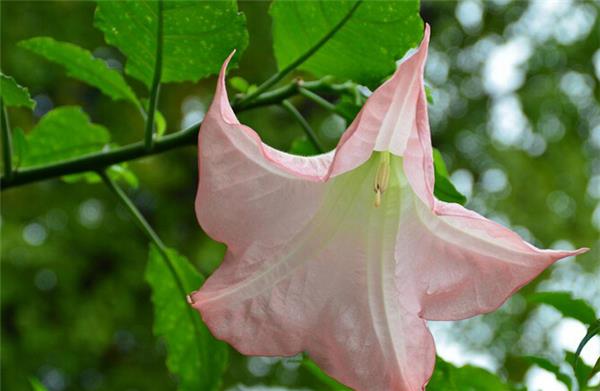
Datura - a highly seductive flower species, with blossoms that swing dramatically between extremes and are so gorgeously vivid that they easily lead people astray. Datura is a plant in the Solanaceae family and is poisonous. It is divided into large-flowered (white-flowered) Datura, red-flowered Datura, purple-flowered Datura and other types. So, is Datura poisonous?
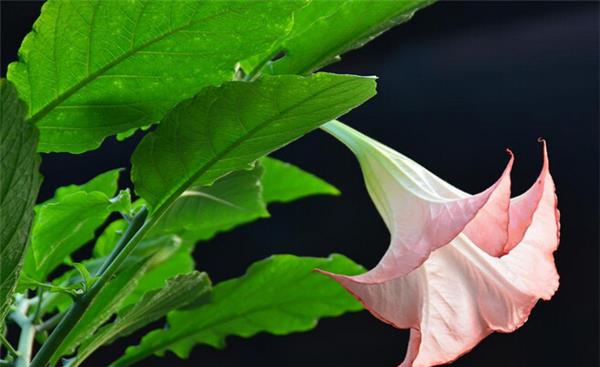
Main Components of Datura
Datura is poisonous. Its main components are hyoscyamine, scopolamine and a small amount of atropine, and the main component responsible for its anesthetic effect is scopolamine. Besides being used as an anesthetic and painkiller for surgery, it is also used as an aphrodisiac and to treat epilepsy, snake bites and rabies. In Victor Hugo's "The Man Who Laughs," the process of the mad doctor Ursus using Datura is described; he was familiar with the properties and various wonders of Datura, and everyone knows this herb has both yin and yang natures.
Datura is yin-cold in nature, and its flower and leaf sap has the effect of stimulating the central nervous system. It is astringent in taste; the flower oil extracted from its sap has a faint scent that is hard to detect when sniffed carefully, yet its delicate fragrance is often noticed unintentionally. It can be used for burning in incense burners; an appropriate amount can refresh the mind, but too much will also cause poisoning. Because its flower sap stimulates the central nervous system, swallowing it can produce excitement and may cause hallucinations. If accidentally consumed in excess, it can cause the central nervous system to become overexcited and then suddenly reverse into inhibition, making bodily functions plummet, often leading to death.
The roots, stems, leaves and fruits of Datura are all poisonous. After accidental ingestion, it is completely absorbed within half an hour to one hour, manifesting as dry mouth and tongue, flushed and dry skin, dilated pupils, rapid heartbeat, extreme restlessness, talkativeness, hallucinations, coma, convulsions, and finally death from respiratory failure. So, what measures are there to prevent and treat Datura poisoning?
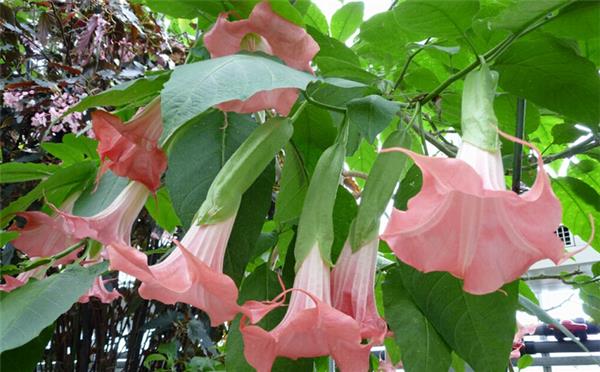
Measures to Prevent and Treat Poisoning
The most important thing in preventing Datura poisoning is to recognize it and not eat Datura fruits and seeds; of course, you also must not eat other unrecognized fruits and seeds. When preparing vegetables, be sure to remove Datura seedlings mixed in with spinach. Datura is triangular or kidney-shaped, flat, with a netted surface, brown or brownish; some have wrinkled edges and are light brown, and some are larger. When harvesting and processing beans, care should be taken to pick out Datura fruits mixed in with the beans. If poisoning is discovered, go to the hospital for treatment immediately. And before reaching the hospital, stimulate the poisoned person's throat to induce vomiting, which has a relieving effect.
The main clinical manifestations of Datura poisoning are dryness of the mouth and throat, difficulty swallowing, hoarseness, rapid pulse, dilated pupils, delirium and hallucinations, convulsions, etc. In severe cases, coma and respiratory or circulatory failure follow, leading to death. The entire Datura plant is poisonous, with the seeds being the most toxic. So how do you diagnose whether poisoning has occurred?
How to Determine Whether Poisoning Has Occurred
1. A history of overdose or accidental ingestion of a toxic substance.
2. Sudden onset with obvious central nervous system symptoms, accompanied by special clinical manifestations such as flushed cheeks, dry mucous membranes and dilated pupils.
3. Datura seeds, leaves or flowers may be found during gastric lavage.
4. Positive cat-eye mydriasis test and toxicological analysis.
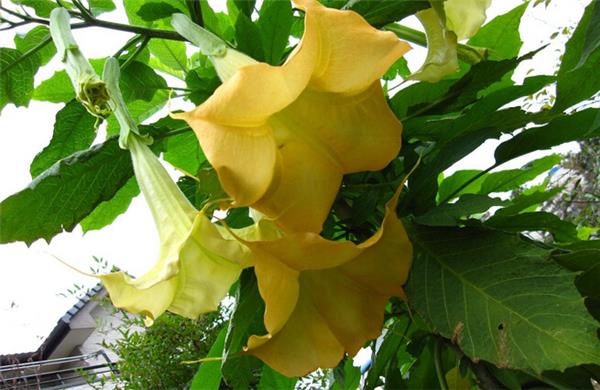
[Manifestations After Poisoning]
1. Symptoms generally appear 0.5-2 hours after ingestion. Early symptoms include dry mouth and throat, difficulty swallowing, hoarseness, rapid pulse, dilated pupils, dry and flushed skin, and fever.
2. 2-6 hours after ingestion, psychiatric symptoms such as delirium, hallucinations, agitation, convulsions and impaired consciousness may appear.
3. In severe cases, lethargy often appears within 12-24 hours, with shallow and slow breathing, decreased blood pressure, and even critical signs such as shock, coma and respiratory paralysis.
[How to Detoxify]
1. First induce vomiting, then perform gastric lavage with 4% tannic acid and administer magnesium sulfate orally. For those poisoned for a long time, high-position saline enema may be used. At the same time, fluid infusion and symptomatic treatment should be carried out.
2. Manic patients must be cared for by a dedicated person to prevent accidents, and should be given sufficient sedatives, such as chloral hydrate or thiopental sodium, but morphine or long-acting barbiturates are contraindicated to avoid increasing central nervous system inhibition. For patients with central nervous system inhibition caused by poisoning, oxygen should be given by inhalation and artificial respiration performed.
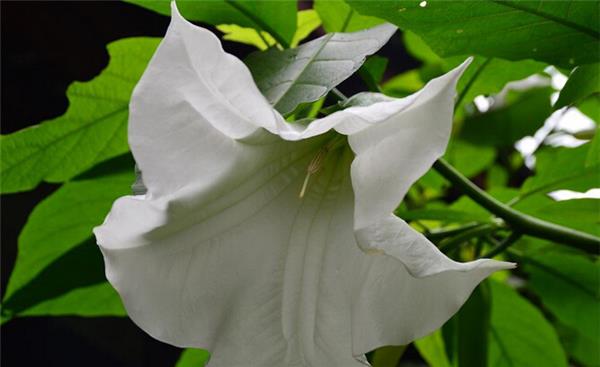
3. For those with high fever, antipyretics may be used, and a warm water bath may also be used, because it can relax muscles and induce sweating, which can increase excretion.
4. For severely ill children with convulsions and coma, neostigmine may be injected intramuscularly, 0.04mg/kg each time, once every 3-4 hours. Pilocarpine is an antagonist of atropine and is most suitable for treating this condition.
[Principles]
1. For early mild cases of Datura poisoning, physostigmine or alternating use of physostigmine and pilocarpine may be applied.
2. For severe poisoning, intramuscular injection of neostigmine or edrophonium, early and adequate use of adrenal cortical hormones, and strengthened symptomatic supportive treatment.
3. Those with pre-existing heart disease should use neostigmine cautiously to avoid sudden cardiac arrest.
Datura is yin-cold in nature, and its flower and leaf sap has the effect of stimulating the central nervous system. It can be used for burning in incense burners; an appropriate amount can refresh the mind, but too much will cause poisoning. Datura flowers are gorgeous in appearance, the leaves have a musk-like scent, and the trumpet-shaped flowers have a very unique odor; some people find its smell extremely unpleasant. So, what are the reasons people get poisoned? What effects does Datura have?
Causes of Datura Poisoning
♣First, not knowing it is poisonous and accidentally eating the fruit or seeds;
♣Second, Datura seedlings being mixed into spinach and other leafy green vegetables and eaten;
♣Third, Datura seeds being mixed into legume grains and processed into soy products and eaten. So everyone must be very careful.
[Main Indications]
♣1. Sores on the face. Dry Datura flowers in the sun, grind into powder, and apply a small amount to the sores.
♣2. Chronic infantile convulsions. Use seven Datura flowers, 2.5 qian of Gastrodia elata, ten whole scorpions (fried), and 2.5 qian each of Arisaema (prepared), cinnabar and frankincense; grind together into powder. Take half a qian per dose, mixed with mint soup.
♣3. Rectal prolapse. Use one pair of Datura seeds with shells and sixteen oak cups, file them together, decoct in water until it boils three to five times, add a little glauber's salt, and wash the affected area.
♣4. As an anesthetic. In autumn, gather Datura flowers and hemp flowers, dry them in the shade, grind in equal parts into powder, and take three qian mixed with hot wine. After a while, one becomes drowsy as if drunk. Before cutting sores or cauterizing with fire, it is advisable to take this first, and then no pain will be felt.
 At the intersection of medicine and poison, the Datura flower suddenly appears like a goblin. Its excessively bewitching colors attract the eyes and admiration, making it hard for us to distinguish among the applause - which is for its medicinal properties and which is bowing to its deceptive power. Therefore, Datura must be used properly and never eaten carelessly. Today's introduction on whether Datura is poisonous ends here, and I hope it can help everyone.
[Principles]
1. For early mild cases of Datura poisoning, physostigmine or alternating use of physostigmine and pilocarpine may be applied.
2. For severe poisoning, intramuscular injection of neostigmine or edrophonium, early and adequate use of adrenal cortical hormones, and strengthened symptomatic supportive treatment.
3. Those with pre-existing heart disease should use neostigmine cautiously to avoid sudden cardiac arrest.
Datura is yin-cold in nature, and its flower and leaf sap has the effect of stimulating the central nervous system. It can be used for burning in incense burners; an appropriate amount can refresh the mind, but too much will cause poisoning. Datura flowers are gorgeous in appearance, the leaves have a musk-like scent, and the trumpet-shaped flowers have a very unique odor; some people find its smell extremely unpleasant. So, what are the reasons people get poisoned? What effects does Datura have?
Causes of Datura Poisoning
♣First, not knowing it is poisonous and accidentally eating the fruit or seeds;
♣Second, Datura seedlings being mixed into spinach and other leafy green vegetables and eaten;
♣Third, Datura seeds being mixed into legume grains and processed into soy products and eaten. So everyone must be very careful.
[Main Indications]
♣1. Sores on the face. Dry Datura flowers in the sun, grind into powder, and apply a small amount to the sores.
♣2. Chronic infantile convulsions. Use seven Datura flowers, 2.5 qian of Gastrodia elata, ten whole scorpions (fried), and 2.5 qian each of Arisaema (prepared), cinnabar and frankincense; grind together into powder. Take half a qian per dose, mixed with mint soup.
♣3. Rectal prolapse. Use one pair of Datura seeds with shells and sixteen oak cups, file them together, decoct in water until it boils three to five times, add a little glauber's salt, and wash the affected area.
♣4. As an anesthetic. In autumn, gather Datura flowers and hemp flowers, dry them in the shade, grind in equal parts into powder, and take three qian mixed with hot wine. After a while, one becomes drowsy as if drunk. Before cutting sores or cauterizing with fire, it is advisable to take this first, and then no pain will be felt.
At the intersection of medicine and poison, the Datura flower suddenly appears like a goblin. Its excessively bewitching colors attract the eyes and admiration, making it hard for us to distinguish among the applause - which is for its medicinal properties and which is bowing to its deceptive power. Therefore, Datura must be used properly and never eaten carelessly. Today's introduction on whether Datura is poisonous ends here, and I hope it can help everyone.