What is rosemary? This article provides a detailed introduction to rosemary
What kind of plant is rosemary? Quite simply, it can be found in the countryside and fields. Rosemary leaves carry a tea-like fragrance and taste pungent and slightly bitter. They are often used in cooking and can also be brewed as an herbal tea. In ancient times, rosemary was believed to enhance memory, and it has now been confirmed to be a plant with antioxidant properties.
What rosemary is
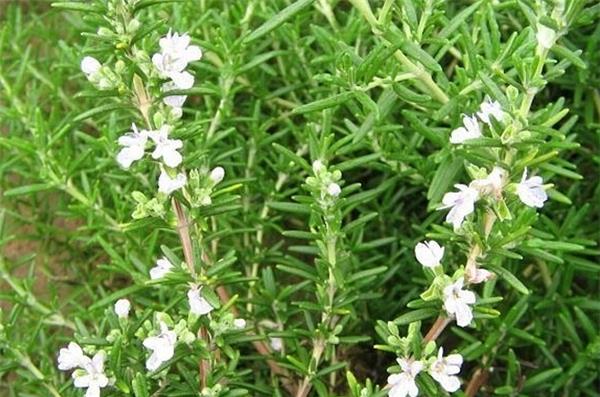
Rosemary is a shrub in the Lamiaceae family native to Europe and the coastal regions of northern Africa along the Mediterranean. Rosemary leaves are slender and aromatic, and it is a common culinary seasoning. The leaves and flowers of rosemary have antioxidant properties, and both antioxidants and rosemary essential oil can be extracted from them.
[Rosemary's growth habits]
Rosemary prefers a warm climate and is relatively drought-tolerant, making it suited to warm places without cold spells. Sandy, well-draining soil is suitable for rosemary's growth. Rosemary grows slowly, so its ability to regenerate is not strong.
[Rosemary's economic value]
Rosemary is a precious natural fragrance, and during its growing season it gives off a fresh scent with a refreshing, invigorating effect. The aromatic oil extracted from rosemary flowers and tender branches can be used to blend air fresheners, mosquito repellents and more. Rosemary is a raw material for perfumes, soaps and various cosmetics, and the most famous toners are made with rosemary.
[Rosemary's culinary value]
Rosemary is an excellent seasoning and is often used in Western cuisine. Rosemary tastes pungent and slightly bitter, with a fresh, sweet aroma and a unique flavor.
[Rosemary's medicinal value]
Rosemary has a calming, soothing and mind-clearing effect, and has certain therapeutic effects on indigestion and stomach pain. Rosemary also helps improve disorders of speech, vision and hearing, enhances concentration, treats rheumatic pain, strengthens liver function and lowers blood sugar. Rosemary has effects such as strengthening the heart, promoting metabolism and promoting blood circulation in peripheral vessels. It helps in the treatment of arteriosclerosis and helps paralyzed limbs regain mobility.
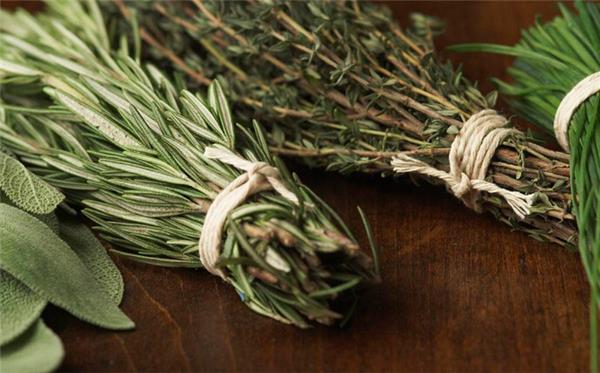
Rosemary leaves carry a tea-like fragrance and taste pungent and slightly bitter. A small amount of dried or fresh leaves is used as a food seasoning, especially for lamb, duck, chicken, sausages, seafood, stuffing, stews, soups, potatoes, tomatoes, radishes, other vegetables and beverages. Because the flavor is very strong, remove it before eating. In ancient times, rosemary was believed to enhance memory. So what are the effects and benefits of eating rosemary?
The effects and benefits of eating rosemary:
1. It has a scent that can make the mind clear, can enhance brain function, can improve headaches and boost memory.
2. It is also very effective for colds, abdominal bloating, obesity and more.
3. It treats rheumatic pain, strengthens liver function, lowers blood sugar, helps in the treatment of arteriosclerosis and helps paralyzed limbs regain vitality.
4. It has a fairly strong astringent effect, conditions oily and unclean skin, promotes blood circulation and stimulates hair regrowth.
5. It is suitable for adding to dishes made with beef and mutton, and can neutralize the gamey odor of beef and mutton.
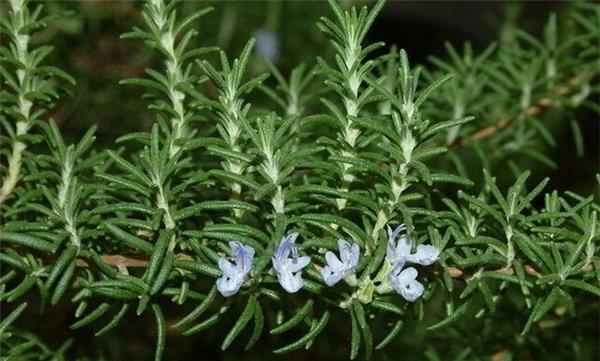
Evergreen shrub, upright plant, main stem about 1 m tall (sometimes reaching 2 m). Leaves narrow, slender and pointed, about 1 cm long, shaped like curved pine needles; dark green, glossy on the upper surface, white on the lower surface, with leaf margins curling toward the underside. The leaves give off a pine scent and have been regarded since ancient times as a medicinal herb that can enhance memory. Flowers blue, growing in small clusters in the leaf axils, particularly attractive to bees. In spring and summer it blooms small pale blue flowers that look like little water droplets. So what are the ways to eat rosemary?
Ways to eat rosemary:
1. Rosemary is widely used in cooking. The fresh tender branches and leaves have a strong aroma and can eliminate the gamey smell of meat. Just a few tender stems and leaves (no need to use too much, so as not to overwhelm the original flavor of the food) are enough for fragrant roasted ribs (pork ribs, lamb chops and beef short ribs). Rosemary roast chicken is especially good.
2. For lettuce used in salads, if a few rosemary leaves are added when blanching, the special aroma is easily absorbed into the dish. For dishes that need long heating, dried rosemary can be used, or a little rosemary powder can be added after cooking. Fresh rosemary flowers can also be used in cold salads, to garnish dishes and to add fragrance and flavor.
The vividly colored rosemary is said to be the most poisonous flower in the world. People who smell its fragrance may, in mild cases, feel dizzy and nauseated and want to vomit, and in severe cases may even fall into a coma. Therefore, rosemary is not suitable for growing at home. Rosemary is native to the Mediterranean region and has naturalized in the temperate regions of the Americas and in Europe. In the warm regions of the United States and in the United Kingdom it is widely cultivated in gardens. Rosemary is also one of the popular tea varieties. So how should rosemary tea be stored?
How to store rosemary tea
[Quicklime storage method]: Choose a dry, sealed ceramic jar and place it in a dry, cool place. Wrap the tea leaves in thin kraft paper and tie them tightly, then arrange them in layers around the inside of the jar. Next, place the lime bag in the middle of the tea packets. After filling, seal the mouth of the jar. It is best to replace the lime bag every 1-2 months. This allows the tea leaves to be stored for a long time without spoiling.
[Charcoal storage method]: Take 1 kg of charcoal and put it into a small cloth bag, place it at the bottom of an earthenware jar or a small-mouthed iron box, then arrange the packaged tea leaves in layers on top until full, and then seal the mouth of the jar. The cloth bag holding the charcoal should generally be replaced once a month.
[Thermos storage method]: Put the tea leaves into a newly purchased thermos, then seal the mouth with white wax and wrap it with adhesive tape. This method is most suitable for storing tea leaves at home.
[Chemical storage method]: Use a relatively thick plastic bag, fix an oxygen absorber in one corner, then seal the tea bag. The oxygen absorber can absorb the oxygen from the tea leaves within one or two days, achieving oxygen-free sealed storage, with very good results.
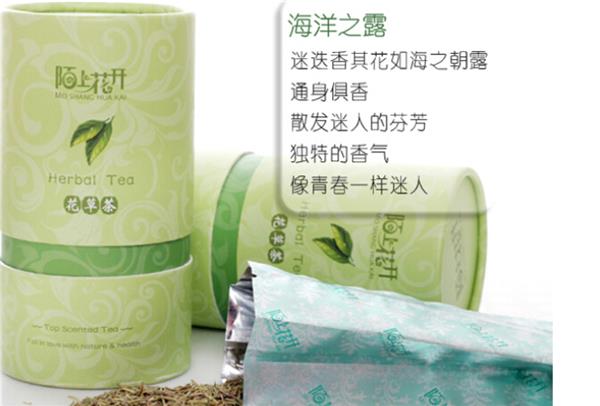
[Refrigerated storage method]: Put new tea with a moisture content below 6% into an iron or wooden tea canister, seal the mouth of the canister well with adhesive tape, and place it in a refrigerator for long-term cold storage, keeping the temperature at 5°C, for better results.
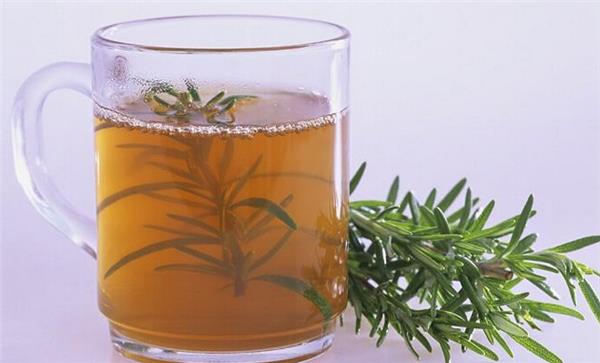
 What is rosemary? This is where we finish sharing rosemary's effects and benefits. Whether brewed as tea or used to make essential oil, rosemary's various effects, such as refreshing the mind, are quite powerful. So when you are tired from work, you might as well brew a cup of rosemary flower tea or massage with the essential oil, and it will have a very good relaxing effect.
How to store rosemary tea
[Quicklime storage method]: Choose a dry, sealed ceramic jar and place it in a dry, cool place. Wrap the tea leaves in thin kraft paper and tie them tightly, then arrange them in layers around the inside of the jar. Next, place the lime bag in the middle of the tea packets. After filling, seal the mouth of the jar. It is best to replace the lime bag every 1-2 months. This allows the tea leaves to be stored for a long time without spoiling.
[Charcoal storage method]: Take 1 kg of charcoal and put it into a small cloth bag, place it at the bottom of an earthenware jar or a small-mouthed iron box, then arrange the packaged tea leaves in layers on top until full, and then seal the mouth of the jar. The cloth bag holding the charcoal should generally be replaced once a month.
[Thermos storage method]: Put the tea leaves into a newly purchased thermos, then seal the mouth with white wax and wrap it with adhesive tape. This method is most suitable for storing tea leaves at home.
[Chemical storage method]: Use a relatively thick plastic bag, fix an oxygen absorber in one corner, then seal the tea bag. The oxygen absorber can absorb the oxygen from the tea leaves within one or two days, achieving oxygen-free sealed storage, with very good results.
[Refrigerated storage method]: Put new tea with a moisture content below 6% into an iron or wooden tea canister, seal the mouth of the canister well with adhesive tape, and place it in a refrigerator for long-term cold storage, keeping the temperature at 5°C, for better results.
What is rosemary? This is where we finish sharing rosemary's effects and benefits. Whether brewed as tea or used to make essential oil, rosemary's various effects, such as refreshing the mind, are quite powerful. So when you are tired from work, you might as well brew a cup of rosemary flower tea or massage with the essential oil, and it will have a very good relaxing effect.