How to Grow and Care for the Parlor Palm
The parlor palm has a small, exquisite and elegant form, and is generally grown as a potted plant in homes and placed in living rooms, studies and other places, giving people the comfort of a tropical scene. The parlor palm (scientific name Chamaedorea elegans), also known as the dwarf coconut, miniature palm and dwarf palm, belongs to the palm family, genus Chamaedorea, and is also called the dwarf coconut. It is native to Mexico and Guatemala. Because it is shade-tolerant, it is very suitable as a small to medium-sized indoor potted plant, decorating indoor environments such as living rooms, studies, meeting rooms and hotel reception desks, and can add a tropical atmosphere and charm to the interior. Placed in a corner of a room or on a coffee table, it can add a vibrant touch to the interior and give the room a charming tropical scenery. So, what are the growing methods for the parlor palm?
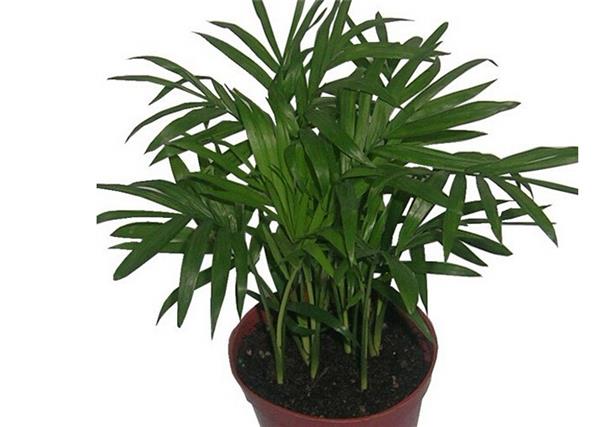
Growing methods for the parlor palm:
1. Soil: The best growing medium for the parlor palm is well-drained, moist, fertile loam. For potting, a mix of leaf mold and peat soil with 1/4 river sand and a small amount of base fertilizer can generally be used as the medium.
2. Watering: The principle for watering is to keep it moist rather than dry; the potting soil just needs to stay consistently moist. In summer and autumn when the air is dry, spray the plant frequently to raise the ambient air humidity, which benefits its growth and also keeps the leaves dark green and glossy; in winter, reduce watering appropriately to help it overwinter.
3. Sunlight: The parlor palm prefers semi-shade conditions and should be kept out of direct sunlight during hot seasons. Under strong sun its leaf color will fade or turn yellow, and scorched leaves and black spots will appear, causing it to lose its ornamental value.
4. Temperature: The suitable growing temperature for the parlor palm is 20-30°C; at 13°C it enters dormancy, and the overwintering temperature is 10°C.
5. Fertilizing: It has low fertilizer requirements; generally, apply liquid fertilizer 1-2 times a month during the growing season, and apply little or no fertilizer in late autumn and winter.
6. Pests and diseases: Under high temperature and high humidity, the parlor palm is prone to brown spot disease, which can be controlled by spraying 800-1000 times diluted Topsin or Baijunling. When the air is dry and ventilation is poor, it is also prone to scale insects, which can be removed manually or controlled by spraying 800-1000 times diluted omethoate.
To grow the parlor palm well, the following technical points should be noted:
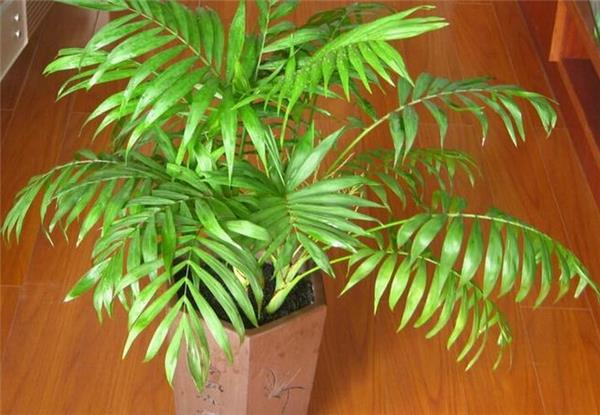
① Beware of scorched edges caused by too much light. Since the parlor palm prefers a more shaded environment, indoors it should be placed near a north window, east window or other spot with bright indirect light; the parlor palm fears strong direct light most, and even brief exposure to the sun can cause leaf scorch and yellowing. Conversely, if kept in a too dry and dark place for a long time, the leaf color will also fade and lose its luster.
② Suitable temperature. The optimal growing temperature is generally 20~30°C; in winter the indoor temperature should be between 12~14°C, and the minimum temperature must not be lower than 10°C.
③ Maintain ambient air humidity. Spray the leaves frequently to increase air humidity.
④ Do not use acidic soil for the potting mix, and add a small amount of clay.
⑤ Repot once every 3 years.
⑥ During the seedling stage, apply diluted liquid fertilizer 3~4 times in spring and autumn.
The parlor palm, also known as the dwarf coconut, has a form just like a tropical coconut tree, evergreen all year round, petite and lovely. Placing one pot indoors can recreate a tropical scene with plenty of charm. Because the parlor palm's root system is relatively fine, a loose and fertile growing medium should be chosen for potting, as heavy clay soil easily causes root rot. Since it likes a more shaded environment, indoors it should be placed near a north window, east window or other spot with bright indirect light.
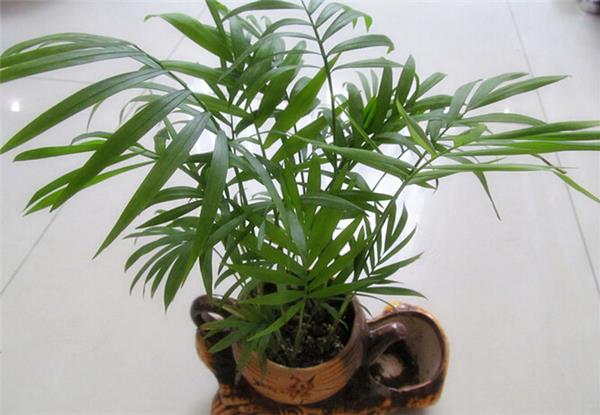
In summer, watering should be ample, and the leaves should be sprayed frequently to increase air humidity. To meet indoor ornamental needs, the plant height is best kept between 40 cm and 60 cm, so fertilizing should not be excessive. Generally, during the seedling stage, apply diluted liquid fertilizer 3-4 times in spring and autumn. The ratio of nitrogen to phosphorus in the fertilizer is best at 1.5:1.2. This ratio can both promote sturdy stems and improve leaf glossiness. Repot once every 2~3 years in spring to aid growth. Because the parlor palm is difficult to propagate by cuttings, it is mainly propagated by sowing. When growing the parlor palm, yellowing leaves easily occur, so what causes this?
1. Too much light: The plant prefers semi-shade; excessively strong sunlight will make the leaves fade or even turn yellow. Treatment: Place the plant in a spot with semi-shade and indirect light; besides receiving an appropriate amount of light, avoid yellowing leaves.
2. Insufficient water: It needs a moist environment with plenty of water; once watered too little, the leaves will turn dry and yellow or even drop. Treatment: Water thoroughly and keep the soil moist during the growing season; if the room is too dry, spray it promptly to increase humidity.
3. Insufficient humidity: It grows best in a climate with high humidity; in dry climates, measures should be taken to raise humidity, especially in summer. Dust on the leaves is best rinsed off with clean water.
4. Too much fertilizer: It does not like fertilizer; too much or too concentrated fertilizer easily causes fertilizer burn, making the leaves turn yellow. Treatment: During the growing season, apply diluted fertilizer only 1-2 times a month, and fertilize less in other periods.
5. Pest and disease infection: Under high temperatures, the roots are prone to root rot, showing symptoms of yellowing leaves or even death. Treatment: Keep the potting soil breathable and the environment well ventilated; if symptoms appear, spray Topsin and chlorothalonil.
The parlor palm is native to Mexico and Guatemala and is an ornamental indoor potted plant. It is named for its small, exquisite and elegant appearance. As a small to medium-sized indoor potted plant, it can add a tropical atmosphere and charm to the interior. So, what are the uses of the parlor palm?
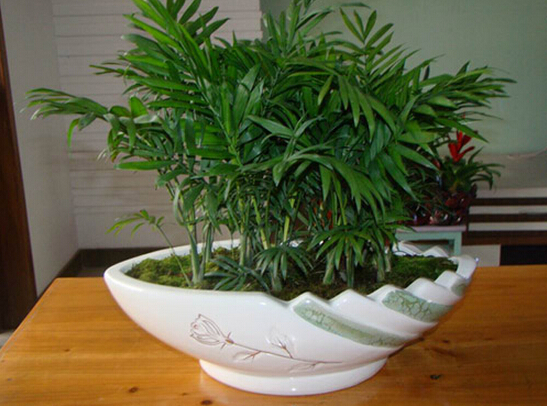
Uses of the parlor palm
1. Ornamental value
It has a beautiful, elegant and refined plant form, is an evergreen plant, with flat, deep green and glossy leaves; the umbrella-shaped plant is steady and simple, graceful and unique, with flowing leaves full of vitality, giving people a pure and natural feeling, and making a highly ornamental potted plant.
2. Decorating the home
Because it is shade-tolerant, it is especially suitable for the home, whether on a study desk or tabletop, or hung in a corner of the home, filling the room with a tropical atmosphere and temperament.
3. Purifying the air
The parlor palm is known as a highly efficient air purifier, with effects similar to the areca palm; it can effectively remove harmful substances such as trichloroethylene, benzene and formaldehyde, making it a helper for purifying indoor air, suitable for newly decorated interiors to regulate the air.
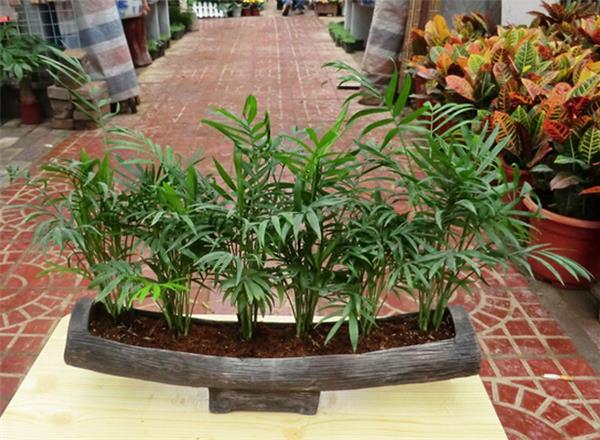
The parlor palm also has many other names such as dwarf coconut, miniature palm, miniature areca and happy palm. It belongs to the palm family, genus Chamaedorea, and is a perennial evergreen small tree. The plant height is about 1 m, and when grown outdoors in warm regions it can reach more than 2 m. The root system is well developed. The stem is slender, upright and usually single, dark green, with ring marks left by the base of the leaf sheaths after the leaves drop, and the spacing between the ring marks varies. The leaves are alternate and clustered at the tip of the stem, odd-pinnately parted, 30-40 cm long, with lanceolate segments, 20-40 in number, dark green and leathery. The spadix is much branched and bears flowers in a panicle-like arrangement. It is monoecious, with both sexes in the same inflorescence, and the flowers are yellow. The fruit is nearly round and blue-black when ripe. Cultivated plants rarely set fruit.
showing symptoms of yellowing leaves or even death. Treatment: Keep the potting soil breathable and the environment well ventilated; if symptoms appear, spray Topsin and chlorothalonil.The parlor palm is native to Mexico and Guatemala and is an ornamental indoor potted plant. It is named for its small, exquisite and elegant appearance. As a small to medium-sized indoor potted plant, it can add a tropical atmosphere and charm to the interior. So, what are the uses of the parlor palm?
Uses of the parlor palm
1. Ornamental value
It has a beautiful, elegant and refined plant form, is an evergreen plant, with flat, deep green and glossy leaves; the umbrella-shaped plant is steady and simple, graceful and unique, with flowing leaves full of vitality, giving people a pure and natural feeling, and making a highly ornamental potted plant.
2. Decorating the home
Because it is shade-tolerant, it is especially suitable for the home, whether on a study desk or tabletop, or hung in a corner of the home, filling the room with a tropical atmosphere and temperament.
3. Purifying the air
The parlor palm is known as a highly efficient air purifier, with effects similar to the areca palm; it can effectively remove harmful substances such as trichloroethylene, benzene and formaldehyde, making it a helper for purifying indoor air, suitable for newly decorated interiors to regulate the air.
The parlor palm also has many other names such as dwarf coconut, miniature palm, miniature areca and happy palm. It belongs to the palm family, genus Chamaedorea, and is a perennial evergreen small tree. The plant height is about 1 m, and when grown outdoors in warm regions it can reach more than 2 m. The root system is well developed. The stem is slender, upright and usually single, dark green, with ring marks left by the base of the leaf sheaths after the leaves drop, and the spacing between the ring marks varies. The leaves are alternate and clustered at the tip of the stem, odd-pinnately parted, 30-40 cm long, with lanceolate segments, 20-40 in number, dark green and leathery. The spadix is much branched and bears flowers in a panicle-like arrangement. It is monoecious, with both sexes in the same inflorescence, and the flowers are yellow. The fruit is nearly round and blue-black when ripe. Cultivated plants rarely set fruit.