A Complete Analysis of the Nutritional Value and Dietary Therapeutic Value of Enoki Mushrooms
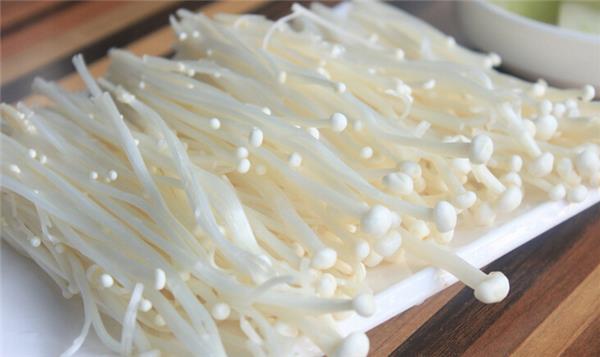
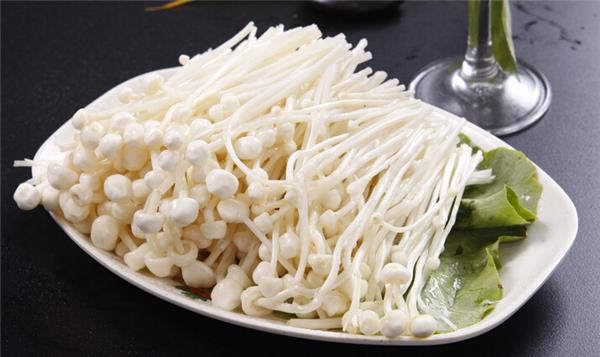
Enoki mushrooms (Flammulina velutipes) are rich in nutritional value and were selected for the World Health Organization's list of best foods as one of the best vegetables. Enoki mushrooms contain protein (of the 18 amino acids they contain, 8 are essential amino acids for the human body), and also contain unsaturated fatty acids, crude fiber, vitamin B2, and inorganic elements such as calcium, magnesium, zinc, and potassium. In addition, they also contain carotene, phytohemagglutinin, polysaccharides, taurine, lentinan purine, ophiopogon sterol, cytolysin, and winter mushroom cytotoxin. So, what exactly are the specific nutritional values of enoki mushrooms?
Zinc
Enoki mushrooms have a relatively high zinc content, which helps promote children's intellectual development and brain health, truly earning them the name "brain-boosting mushroom." They are also quite beneficial for men in preventing prostate disease.
Potassium
Regularly eating enoki mushrooms can not only prevent and treat liver disease and gastric and intestinal ulcers, but is also suitable for people with high blood pressure, obesity, and middle-aged and elderly people, mainly because they are a high-potassium, low-sodium food.
Crude Fiber
Modern medical experiments have shown that enoki mushrooms, especially the stems, contain abundant crude fiber, which can absorb bile acids in the human body, increase gastrointestinal movement, and promote digestive function. Crude fiber can also regulate cholesterol metabolism, lower cholesterol levels in the body, and promote the elimination of heavy metal ions from the body.
Flammulin
Enoki mushrooms also contain a substance called flammulin, which enhances the body's ability to resist cancer cells. Researchers in Japan have also discovered this mushroom mycin in enoki mushrooms, and this substance has good anticancer activity.
Lysine
Enoki mushrooms contain a relatively complete range of essential amino acids, and their amino acid content is higher than that of ordinary mushrooms. Among them, lysine and arginine are especially abundant, which have a beneficial effect on enhancing intelligence, especially on children's height and intellectual development.
Copper
Copper is an indispensable micronutrient for human health. It has an important impact on blood, the central nervous system, and the immune system, as well as on the development and function of hair, skin, bone tissue, the brain, and internal organs such as the liver and heart.
Protein and Polysaccharides
Enoki mushrooms are rich in protein and polysaccharides, which have the effect of lowering blood cholesterol, can help lower blood pressure, and are effective in preventing obesity, diabetes, and arteriosclerosis.
Carotene
Enoki mushrooms contain carotene, which can promote skin cell metabolism, prevent rough skin and pigmentation, and delay aging.
Vitamin B2
Enoki mushrooms contain vitamin B2. A deficiency of vitamin B2 can cause angular cheilitis, cheilitis, conjunctivitis, and scrotal dermatitis.
Vitamin A
Vitamin A can relieve eye fatigue, prevent dry eye disease and night blindness, and also protect the skin and promote growth and development.
Lentinan Purine
The lentinan purine in enoki mushrooms has the effect of lowering blood cholesterol and can effectively prevent arteriosclerosis.
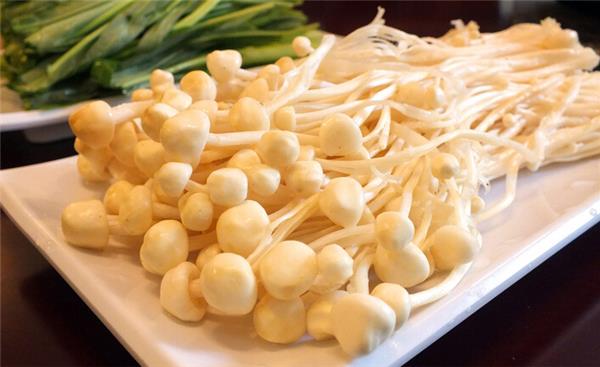
The caps of enoki mushrooms are small and delicate, yellow-brown or pale yellow, with white flesh that is fine, soft, tender, smooth, and glossy. The stems resemble golden needles, hence the name "enoki mushroom" (golden needle mushroom). They are also known by other names such as winter mushroom, money fungus, frozen fungus, and golden mushroom. So, how much do people really know about enoki mushrooms?
[Nutritional Composition]
Fresh enoki mushrooms are rich in B vitamins, vitamin C, carbohydrates, minerals, carotene, various amino acids, phytohemagglutinin, polysaccharides, taurine, lentinan purine, ophiopogon sterol, cytolysin, winter mushroom cytotoxin, and more.
[Efficacy and Effects]
Enoki mushrooms are cold in nature, sweet and salty in taste, and have the effects of tonifying the liver, benefiting the stomach and intestines, and fighting cancer. They mainly treat liver disease, gastrointestinal inflammation, ulcers, tumors, and other conditions. Enoki mushrooms have a relatively high zinc content, which is helpful for preventing prostate disease in men. Moreover, enoki mushrooms are a high-potassium, low-sodium food that can prevent and treat high blood pressure and are also beneficial for the elderly.
[Suitable for Consumption]
Enoki mushrooms are suitable for people with high blood pressure, cancer, hyperlipidemia, arteriosclerosis, obesity, diabetes, as well as those with insufficient qi and blood, malnutrition, and weak constitution; they are also suitable for people with habitual constipation and dry, hard stools; and are also suitable for malnourished elderly people and children.
[Contraindications]
Enoki mushrooms are cold in nature, so people with a weak and cold spleen and stomach and those with diarrhea and loose stools should avoid eating them. In addition, enoki mushrooms should not be eaten raw and should be blanched in boiling water before being cooked into various cooked dishes.
[Dietary Therapeutic Value]
1. Brain health: Enoki mushrooms contain a relatively complete range of essential amino acids, among which lysine and arginine are especially abundant, having a beneficial effect on enhancing intelligence, especially on children's height and intellectual development, and are known as the "intelligence-boosting mushroom." Their relatively high zinc content can also promote children's intellectual development and brain health.
2. Anticancer and antitumor: Enoki mushrooms also contain a substance called flammulin, which enhances the body's ability to resist cancer cells. Regular consumption of enoki mushrooms can also lower cholesterol, prevent liver disease and gastrointestinal ulcers, strengthen the body's vital energy, and prevent disease and promote fitness.
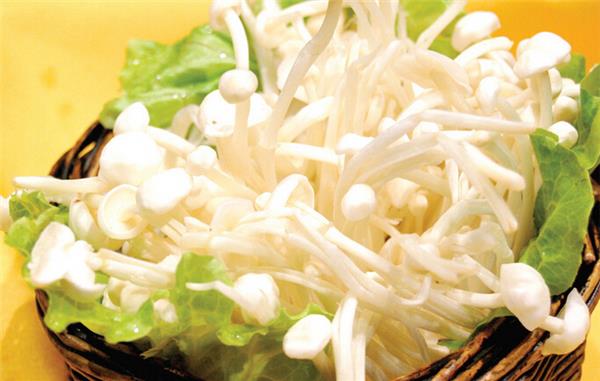
3. Reducing fat and blood pressure: Enoki mushrooms can inhibit the rise of blood lipids, lower cholesterol, and prevent and treat cardiovascular and cerebrovascular diseases.
4. Anti-inflammatory and pain relief: Eating enoki mushrooms has the effects of resisting fatigue, providing antibacterial and anti-inflammatory benefits, removing heavy metal salts, and fighting tumors.
5. Promoting digestion: Enoki mushrooms can effectively enhance the body's biological activity, promote internal metabolism, facilitate the absorption and utilization of various nutrients in food, and are also greatly beneficial for growth and development.
Enoki mushrooms have a relatively high zinc content, which helps promote children's intellectual development and brain health, and are hailed as the "brain-boosting mushroom" and "intelligence-enhancing mushroom" in Japan and many other countries. Enoki mushrooms can effectively enhance the body's biological activity, promote internal metabolism, facilitate the absorption and utilization of various nutrients in food, and are also greatly beneficial for growth and development. So, what are some ways to prepare enoki mushrooms?
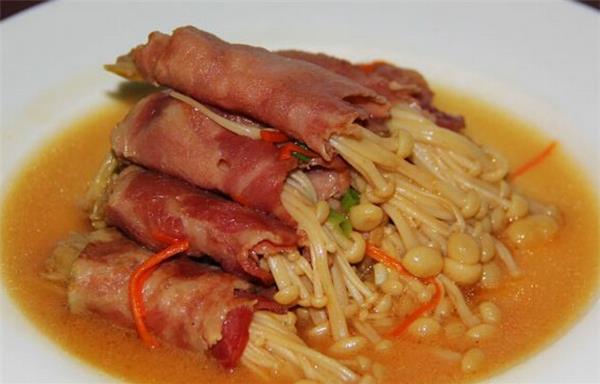
Enoki Mushroom, Cheese, and Bacon Rolls
Ingredients: cucumber, enoki mushrooms, cloud ear fungus, bacon, mozzarella cheese, toothpicks (soaked in water for 30 minutes in advance)
Method: Julienne the cucumber and cloud ear fungus (clearly my knife skills are not up to par, so they turned into strips), cut the bacon into appropriate lengths, wrap the ingredients inside, roll them up, secure with toothpicks, top with some cheese, bake at 200 degrees with both upper and lower heat for 10 minutes, then switch to upper heat only for 5 minutes.
Baked Enoki Mushrooms with Chicken Broth and Butter
Enoki mushrooms are a common edible mushroom. Because of their smooth texture, they can absorb different flavors. So when having hot pot, people like to use them as a side dish. There are also quite a few dishes made with enoki mushrooms, especially in Japanese cuisine where they are more widely used. Apart from deep-fried preparations, most are light dishes. Dishes such as tofu skin enoki mushroom rolls, enoki mushroom and beef hot pot, and stir-fried enoki mushrooms with shredded pork are all popular dishes.
Ingredients: enoki mushrooms, chicken broth, butter, salt, pepper, aluminum foil
Method: First wash the enoki mushrooms, remove the tough root portions, and drain the water for later use.
Wrap the enoki mushrooms in aluminum foil, add an appropriate amount of chicken broth and butter, season with salt and pepper and mix well, then seal the aluminum foil, place in the oven, bake over medium heat for twenty minutes, then remove, open the aluminum foil, and transfer to a plate.
The above is an introduction to the nutritional value of enoki mushrooms and methods for eating them. We hope this can help everyone better understand enoki mushrooms.
3. Reducing fat and blood pressure: Enoki mushrooms can inhibit the rise of blood lipids, lower cholesterol, and prevent and treat cardiovascular and cerebrovascular diseases.
4. Anti-inflammatory and pain relief: Eating enoki mushrooms has the effects of resisting fatigue, providing antibacterial and anti-inflammatory benefits, removing heavy metal salts, and fighting tumors.
5. Promoting digestion: Enoki mushrooms can effectively enhance the body's biological activity, promote internal metabolism, facilitate the absorption and utilization of various nutrients in food, and are also greatly beneficial for growth and development.
Enoki mushrooms have a relatively high zinc content, which helps promote children's intellectual development and brain health, and are hailed as the "brain-boosting mushroom" and "intelligence-enhancing mushroom" in Japan and many other countries. Enoki mushrooms can effectively enhance the body's biological activity, promote internal metabolism, facilitate the absorption and utilization of various nutrients in food, and are also greatly beneficial for growth and development. So, what are some ways to prepare enoki mushrooms?
Enoki Mushroom, Cheese, and Bacon Rolls
Ingredients: cucumber, enoki mushrooms, cloud ear fungus, bacon, mozzarella cheese, toothpicks (soaked in water for 30 minutes in advance)
Method: Julienne the cucumber and cloud ear fungus (clearly my knife skills are not up to par, so they turned into strips), cut the bacon into appropriate lengths, wrap the ingredients inside, roll them up, secure with toothpicks, top with some cheese, bake at 200 degrees with both upper and lower heat for 10 minutes, then switch to upper heat only for 5 minutes.
Baked Enoki Mushrooms with Chicken Broth and Butter
Enoki mushrooms are a common edible mushroom. Because of their smooth texture, they can absorb different flavors. So when having hot pot, people like to use them as a side dish. There are also quite a few dishes made with enoki mushrooms, especially in Japanese cuisine where they are more widely used. Apart from deep-fried preparations, most are light dishes. Dishes such as tofu skin enoki mushroom rolls, enoki mushroom and beef hot pot, and stir-fried enoki mushrooms with shredded pork are all popular dishes.
Ingredients: enoki mushrooms, chicken broth, butter, salt, pepper, aluminum foil
Method: First wash the enoki mushrooms, remove the tough root portions, and drain the water for later use.
Wrap the enoki mushrooms in aluminum foil, add an appropriate amount of chicken broth and butter, season with salt and pepper and mix well, then seal the aluminum foil, place in the oven, bake over medium heat for twenty minutes, then remove, open the aluminum foil, and transfer to a plate.
The above is an introduction to the nutritional value of enoki mushrooms and methods for eating them. We hope this can help everyone better understand enoki mushrooms.