An in-depth analysis of the various aspects of ginkgo's benefits and effects
Ginkgo fruit, also known as white fruit (bai guo), contains hydrocyanic acid toxin, which is highly toxic; the toxicity decreases when heated, so eating it raw is more likely to cause poisoning. The usual poisoning dose is 10 to 50 nuts, and symptoms of poisoning appear 1 to 12 hours after eating white fruit. To prevent white fruit poisoning, it should not be eaten in large amounts, and even less should it be eaten raw. So, what benefits and effects does ginkgo fruit have?
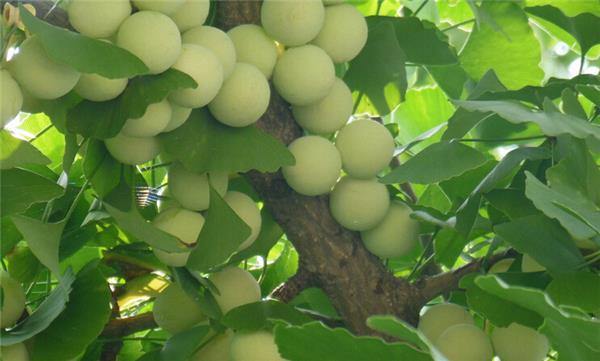
Ginkgo's beauty benefits:
1. Whitening: With increasing age and the influence of the external environment, oxygen free radicals in the body gradually increase, which can lead to insufficient superoxide dismutase (SOD), causing excess oxygen free radicals to react oxidatively with dermal cells and resulting in melasma or chloasma. The flavonoid components contained in ginkgo leaves can block the formation and deposition of pigment in the dermis, achieving the effect of whitening the skin and preventing and treating pigmented patches. In addition to flavonoids, trace elements such as zinc, manganese and molybdenum in ginkgo leaves can also scavenge oxygen free radicals and inhibit melanin growth.
2. Wrinkle removal: The human skin takes about 3 months to completely renew itself. The reason fine lines appear on the face is that newly formed cells in the dermis are already oxidized by excess free radicals before they reach the skin surface, and by the time they reach the epidermis they are already aged cells. The flavonoid glycosides and flavonols in ginkgo leaves are both scavengers of free radicals; they can protect dermal cells, improve blood circulation, and prevent cells from being oxidized and producing wrinkles.
3. Ginkgo and free radicals: Ginkgo is one of the herbs with the ability to resist active genes, and it is very effective in protecting lipids (components of cell membranes) from free radical damage. Considering that brain cells contain the highest concentration of unsaturated fatty acids of all cells, this strongly supports ginkgo's protective effect on the central nervous system. Free radicals in the brain and nervous system are widely considered a major cause of accelerated aging. In the process of protecting cells (especially brain cells), ginkgo plays multiple roles. First, it promotes blood circulation and the delivery of oxygen and glucose to cells; second, when free radicals threaten cells, ginkgo can protect cells from damage and clear free radicals out of the body.
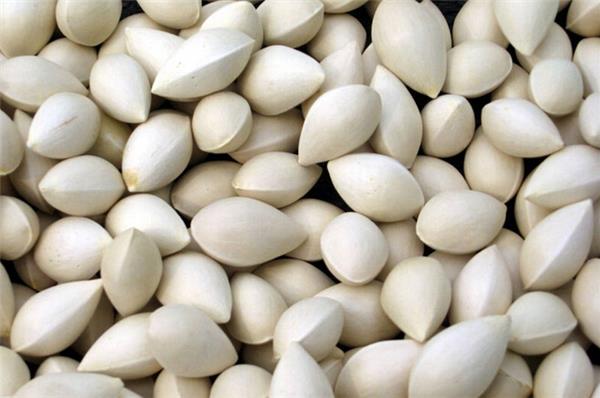
White fruit's benefits and effects
Sweet in taste, slightly bitter and astringent, warm in nature, and slightly toxic. It can warm the lungs and boost qi, relieve wheezing and cough, reduce urination, stop abnormal vaginal discharge, stop diarrhea, and benefit the spleen.
1. Anti-aging
Ginkgo also has the effects of clearing blood vessels, improving brain function, delaying brain aging in the elderly, enhancing memory, and treating Alzheimer's disease and insufficient cerebral blood supply; this is ginkgo's anti-aging ability. Its scientific influence in Germany and France is very great.
2. Protecting the liver
Ginkgo can also protect the liver, reduce arrhythmia, prevent fatal bronchoconstriction in allergic reactions, and can also be applied to deal with asthma, transplant rejection, myocardial infarction, stroke, organ protection and dialysis.
3. Preventing and treating cardiovascular disease
The flavonoid glycosides and ginkgolides in the kernel also have special preventive and therapeutic effects on diseases such as cerebral thrombosis, senile dementia, high blood pressure, high blood lipids, coronary heart disease, arteriosclerosis, and declining brain function.
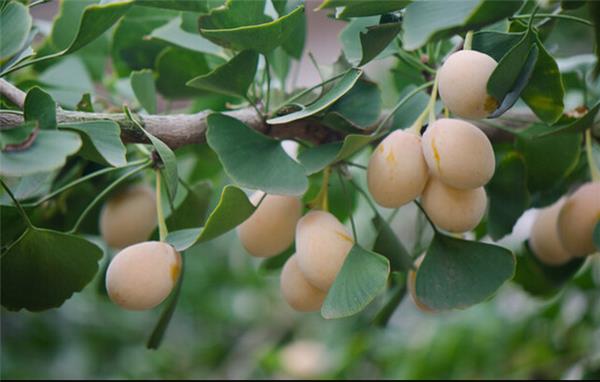
White fruit kernels contain a variety of nutrients. Besides starch, protein, fat and sugars, they also contain vitamin C, riboflavin, carotene, and trace elements such as calcium, phosphorus, iron, potassium and magnesium, as well as components such as ginkgolic acid, ginkgol, five-carbon polysaccharides and sterols. They have dietary and medical effects such as benefiting lung qi, treating coughing and wheezing, stopping worms, reducing urination, smoothing chapped skin, protecting blood vessels, and increasing blood flow. Their toxic component is ginkgol. So, what are the ways to eat ginkgo fruit?
1. Salt and pepper ginkgo:
Method:
Take a dish of shelled ginkgo, put it in a wok together with salt and pepper, and stir-fry until cooked, then shell it and eat.
It should be cooked and eaten immediately, and eaten while hot. Eaten hot, it is tasty and lightly fragrant; eaten cold, it is dry, bitter and tasteless. When entertaining guests, one dish per table, 150-200 g is appropriate.
2. Microwave-fried ginkgo:
Method:
Take a dish of shelled ginkgo, wrap it in a thin food-grade plastic bag, place it in a microwave oven for a few minutes until cooked, then shell it while hot and eat.
3. Ginkgo porridge:
It benefits vital energy, nourishes the five viscera, and resists aging; it is especially good for the elderly and those who are frail and prone to illness. For healthy people, eating it strengthens the body. It is suitable for family consumption.
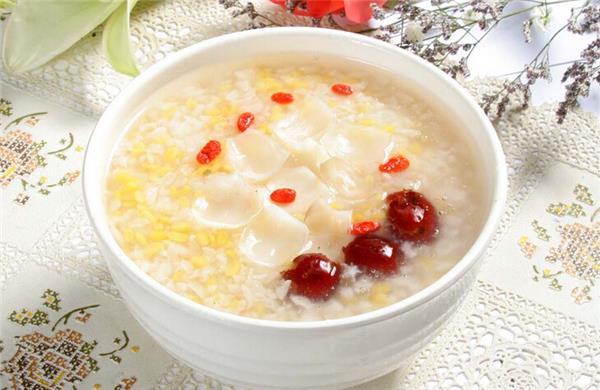
Method:
Ginkgo kernels (after shelling, blanch in boiling water to remove the inner seed coat) 6-10 pieces, a small amount of rock sugar, 2 liang of japonica rice, an appropriate amount of water; put them into a pot at the same time and cook over gentle heat until done. It is ready when the japonica rice becomes mushy.
Ginkgo is suitable for pairing with other lightly sweet, low-sugar rice porridges, such as ginkgo eight-treasure porridge, ginkgo mung bean porridge, ginkgo ladybell and lotus seed porridge, etc. Rock sugar or white sugar is preferable.
White fruit is a highly nutritious premium tonic, containing crude protein, crude fat, reducing sugars, nucleoprotein, minerals, crude fiber and various vitamins. So, what nutritional value does ginkgo fruit have?
According to scientific conclusions: every 100 g of fresh white fruit contains 13.2 g of protein, 72.6 g of carbohydrates, and 1.3 g of fat, and also contains vitamin C, riboflavin, carotene, and many trace elements such as calcium, phosphorus, iron, selenium, potassium and magnesium, as well as 8 amino acids. It has very high edible value, medicinal value and health-care value, and has remarkable effects on human health.
White fruit kernels contain a variety of nutrients. Besides starch, protein, fat and sugars, they also contain vitamin C, riboflavin, carotene, and trace elements such as calcium, phosphorus, iron, potassium and magnesium, as well as components such as ginkgolic acid, ginkgol, five-carbon polysaccharides and sterols. They have dietary and medical effects such as benefiting lung qi, treating coughing and wheezing, stopping worms, reducing urination, smoothing chapped skin, protecting blood vessels, and increasing blood flow. According to modern medical research, ginkgo also has the effects of clearing blood vessels, improving brain function, delaying brain aging in the elderly, enhancing memory, and treating Alzheimer's disease and insufficient cerebral blood supply; this is ginkgo's anti-aging ability. Its scientific influence in Germany and France is very great. In addition, ginkgo can also protect the liver, reduce arrhythmia, prevent fatal bronchoconstriction in allergic reactions, and can also be applied to deal with asthma, transplant rejection, myocardial infarction, stroke, organ protection and dialysis.
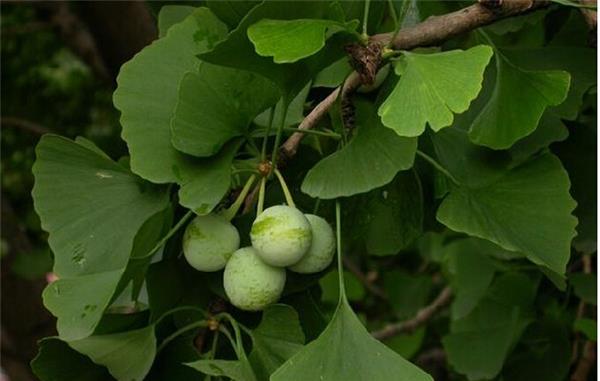
Editor's summary: The above is what the editor has introduced to you about the benefits and effects of ginkgo fruit. I hope this article can help everyone better understand ginkgo fruit and better eat ginkgo fruit.
An appropriate amount of water; put them into a pot at the same time and cook over gentle heat until done. It is ready when the japonica rice becomes mushy.Ginkgo is suitable for pairing with other lightly sweet, low-sugar rice porridges, such as ginkgo eight-treasure porridge, ginkgo mung bean porridge, ginkgo ladybell and lotus seed porridge, etc. Rock sugar or white sugar is preferable.
White fruit is a highly nutritious premium tonic, containing crude protein, crude fat, reducing sugars, nucleoprotein, minerals, crude fiber and various vitamins. So, what nutritional value does ginkgo fruit have?
According to scientific conclusions: every 100 g of fresh white fruit contains 13.2 g of protein, 72.6 g of carbohydrates, and 1.3 g of fat, and also contains vitamin C, riboflavin, carotene, and many trace elements such as calcium, phosphorus, iron, selenium, potassium and magnesium, as well as 8 amino acids. It has very high edible value, medicinal value and health-care value, and has remarkable effects on human health.
White fruit kernels contain a variety of nutrients. Besides starch, protein, fat and sugars, they also contain vitamin C, riboflavin, carotene, and trace elements such as calcium, phosphorus, iron, potassium and magnesium, as well as components such as ginkgolic acid, ginkgol, five-carbon polysaccharides and sterols. They have dietary and medical effects such as benefiting lung qi, treating coughing and wheezing, stopping worms, reducing urination, smoothing chapped skin, protecting blood vessels, and increasing blood flow. According to modern medical research, ginkgo also has the effects of clearing blood vessels, improving brain function, delaying brain aging in the elderly, enhancing memory, and treating Alzheimer's disease and insufficient cerebral blood supply; this is ginkgo's anti-aging ability. Its scientific influence in Germany and France is very great. In addition, ginkgo can also protect the liver, reduce arrhythmia, prevent fatal bronchoconstriction in allergic reactions, and can also be applied to deal with asthma, transplant rejection, myocardial infarction, stroke, organ protection and dialysis.
Editor's summary: The above is what the editor has introduced to you about the benefits and effects of ginkgo fruit. I hope this article can help everyone better understand ginkgo fruit and better eat ginkgo fruit.