Basic Introduction to the Daisy: Get to Know This Little Flower
The daisy is often called the little sunflower. The daisy (Bellis perennis) originated in Europe and is also known as the everlasting daisy. It is a perennial herbaceous plant in the Asteraceae family. Next, let us take a look at the basic introduction to the daisy.
Description of the Daisy's Characteristics
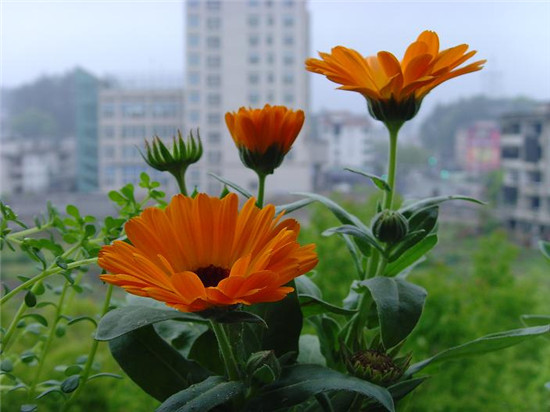
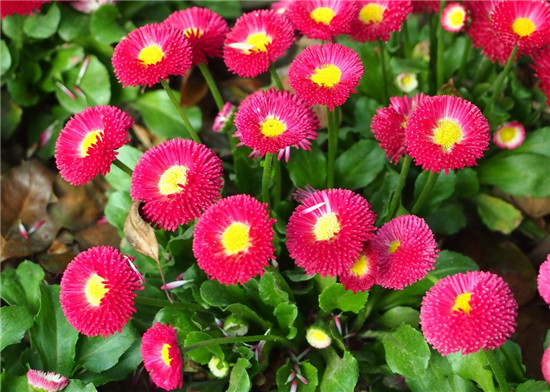
It is usually sown in autumn and grown as a biennial (in cold high-altitude regions it is sown in spring and grown as an annual). The plant height is 15-20 cm. The leaves are clustered at the base and spoon-shaped. The flower head is solitary, with a flower diameter of 3-5 cm, and the ray florets are strap-shaped. The colors include white, pink, red and others. Usually each plant produces about 10 flowers. The flowering period is from March to June. The daisy is cold-hardy and prefers a cool climate. Under hot conditions it flowers poorly and tends to wither and die. It can be sown and propagated in an open-air seedbed in mid-August or early September. After sowing, it should be shaded with reed curtains; plastic film must not be used as cover.
Once the seedlings have all emerged, remove the curtains. When two or three leaves have grown, transplant them for the first time, bare-rooted without the original soil. The soil in the seedbed needs to be moist, and watering should be timely. If necessary, shade with reed curtains. After two or three days of separating the seedlings, water once more when the soil is dry. Two days later, loosen the soil to conserve moisture and harden the seedlings. When the seedlings have 3-4 true leaves, transplant them once or twice with a soil ball, which can promote the growth of many lateral roots and prevent leggy growth. Apply an appropriate amount of base fertilizer in the seedbed. The following year the plants will be short and sturdy, with strong resistance, and the flowers will be large, full and brightly colored. At the end of October, water thoroughly once. When the seedbed soil is neither sticky nor crumbly, lift the soil balls and store them in a sunny seedbed to overwinter, covering them with cattail mats at night to protect against the cold.
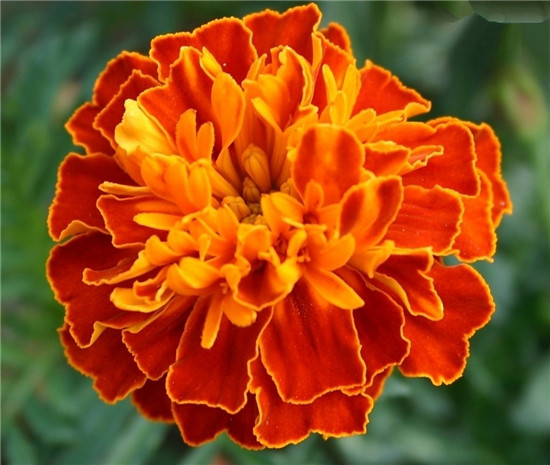
The daisy is tolerant of cool conditions when overwintering, but fears severe frost and dry wind. The thickness of the cattail mats and the timing of covering and removing them should be flexibly adjusted according to the growth of the seedlings and the temperature, so as to prevent leggy growth and effectively control the flowering period. For those transplanted once or twice in autumn, they can be directly planted out in the flowerbed in spring when flowers appear. For those that have been separated in autumn but not transplanted into another seedbed, in spring it is best to tend them in a seedbed with sufficient base fertilizer until they are well-formed, then plant them out in the flowerbed or take them out of the nursery for sale.
When planting out, apply leaf mold or barnyard manure as a base fertilizer. After planting out, water once every 7-10 days. During the growing period, the daisy likes full sunlight and is not tolerant of shade. After the daisy has been strengthened by autumn sowing, if it has not been separated and transplanted, the seedlings can be lifted out at the end of October, separated, with the root clumps retaining a little of the original soil, then take a handful of the previously prepared moist, fertile soil that is rich in humus and slightly sticky, place one or two seedlings in the center of the soil and squeeze firmly into a ball, then store them one by one in a sunny seedbed, misting to keep them moist, so as to promote vigorous growth of fibrous roots and keep the plants small and sturdy. In the following spring they can be directly planted out in the flowerbed or sold on the market without wilting easily.
The Legend of the Daisy
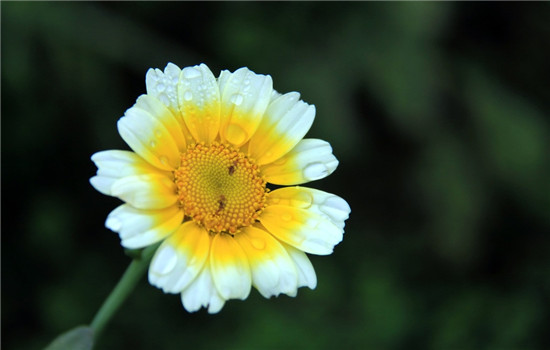
Since ancient times, Christianity has had the custom of linking saints with specific flowers, which stems from the church's practice of decorating the altar with blooming flowers when commemorating saints! And in medieval Catholic monasteries, all kinds of flowers were grown like in a gardening center, extremely suitable for planting flowers and plants. The daisy was chosen to honor Saint Margaret, a princess of Hungary who entered a convent in the 13th century after refusing the husband chosen by her father.
By plucking off the petals one by one, and silently reciting in the heart, "loves me, loves me not." Until the last petal, which represents the beloved's feelings. Therefore its flower meaning is pure affection.
Those born under the blessing of this flower keep a maiden-like innocent and pure heart throughout their lives. Their love will probably also be pure and flawless, and incomparably beautiful!
The above is all the content of the basic introduction to the daisy that I have summarized for you. I hope this article can help you. Please also continue to follow us.