How to Grow Cyclamen: A Complete Guide to Growing Methods and Steps
Cyclamen loves ample sunlight and a warm, humid environment; it dislikes heat and is afraid of waterlogging. The most suitable temperature is 20°C; around 20°C is fine. Above 30°C it easily sheds its leaves and goes dormant, while below that the corm is prone to frost damage, so the best growing environment for cyclamen in winter is a greenhouse, with loose, fertile, well-drained soil. How do you grow cyclamen? What are the methods and steps for growing cyclamen?
1. Choose plump seeds: Select plump, glossy brown seeds and treat them. Place the seeds in water at about 30°C with added New High Lipid Film, which can be mixed with seed dressing agents; it repels underground pests and diseases, isolates viral infection, does not affect the imbibition and swelling needed for germination, strengthens respiration, and raises the seed germination rate. Soak them in water for 3-4 hours, then sow. Compared with unsown seeds, they bloom about 10 days earlier.
2. Management during the growth process: Cyclamen is a moisture-loving plant that fears waterlogging. Too much water is bad for its growth and development and can even cause root rot and death, so reasonable watering is crucial. Therefore, keeping the soil moist every day is enough, and the amount of water should not be too large. Apply more fertilizer: cyclamen is also a fertilizer-loving plant. First start with the soil, fertilize reasonably according to the plant's needs, and it can bloom 15-20 days earlier. Spray New High Lipid Film to retain fertilizer and moisture.
3. Control of temperature and light: Cyclamen is very sensitive to temperature and cannot tolerate high heat. Around 20°C during the day is a suitable growing temperature, and around 10°C at night is suitable; during the seedling stage the temperature can be slightly lower. Cyclamen loves sunlight, and extending the light period can promote earlier blooming, so cyclamen should be placed in a sunny spot for care.
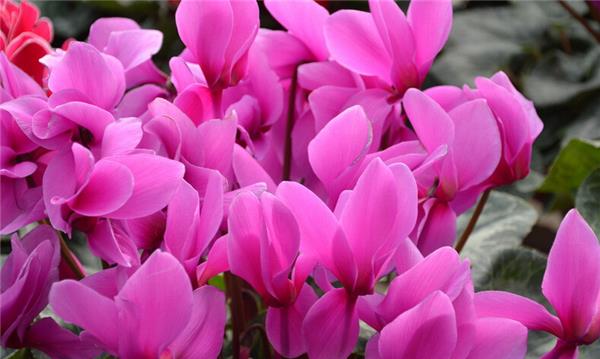
4. Management during the flowering period: When cyclamen's young buds appear, besides giving plenty of sunlight, spray Flower Stem Strengthener, which can make the buds strong, the petals large, the flower colors vivid, the fragrance rich, and the flowering period longer.
5. Preventing diseases and pests: Cyclamen suffers more from diseases than from pests. Common problems in cyclamen care include:
① Gray mold, whose main symptom is water-soaked small spots 1-2 mm in diameter at the affected area, which then gradually expand and become brown rot.
② Soft rot, mostly caused by bacterial infection; the affected area becomes soft and rotten, and the site of occurrence is mostly the corm. Spraying targeted medication plus New High Lipid Film greatly increases the effective ingredient rate of the medicine.
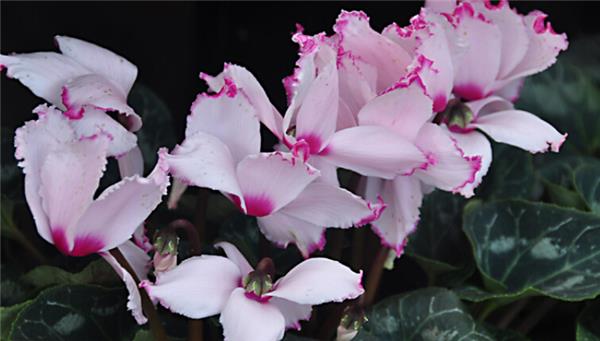
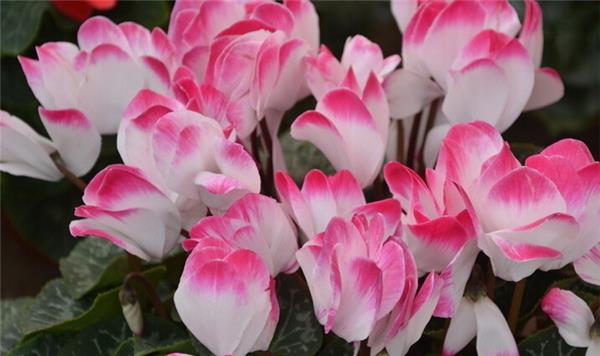
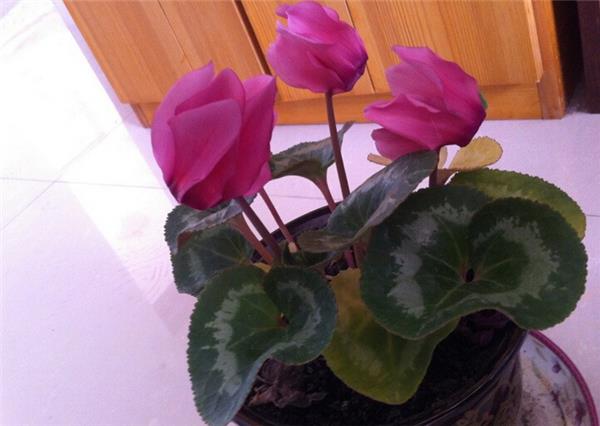
Cyclamen is a perennial bulbous flower of the primrose family (Primulaceae), with a flattened round fleshy corm. The old corm is purple-black-brown, covered externally with corky tissue. At the top of the corm is an extremely shortened stem, which is where the leaves grow. The leaves are clustered, heart-shaped ovate, with white netted veins on the leaves and toothed margins. The leaf stalks and flower stalks are reddish-brown. The flowers are large, solitary and drooping, with petals rolled back like rabbit ears, hence it is also called rabbit ear flower (cyclamen). The flower colors include white, pink, crimson, red, purple, and so on. So, in the process of growing cyclamen, we always encounter one problem or another. How should we solve them?
Common problems in cyclamen cultivation:
1. Why does cyclamen's tuber easily rot?
How to prevent cyclamen's tuber from rotting is an important part of cultivating cyclamen. Besides low temperature and pathogen infection, the most common cause is improper care. In summer, when the weather is hot, plus poor ventilation or rain exposure, the tuber easily rots. In addition, improper watering during the growth period is also a main cause of rot. Cyclamen should not be watered by the soaking method, to avoid too much water accumulating at the bottom of the pot and causing rot.
2. What diseases is cyclamen prone to?
① Nematode disease: Nematodes invade the roots, forming many nodular growths, causing the fine roots to swell, rot and rupture, and the aboveground parts to partly die. The preventive method is to use sterilized soil to plant cyclamen.
② Soft rot: Affected leaves and leaf stalks soften, chlorophyll decreases, and white or grayish-green leaf spots appear at the same time. On sunny days the lesions dry up and crack, while on rainy days they rot and smell foul. This disease is most severe in hot, rainy seasons.
3. Common causes of yellowing leaves
① Spraying too concentrated a solution. Cyclamen suffering from pesticide damage shows this symptom, and clean water should be sprayed promptly to relieve it.
② Sunburn during ventilation. If the previous care environment had weak or somewhat poor light, a sudden change in light conditions will make it unable to adapt. Especially when the outdoor temperature is high (it will go dormant), if the air is also dry, it easily turns yellow and withers.
③ Caused by drought. When placed outdoors for ventilation, the water in the potting soil is not sufficient; the high outdoor temperature plus too good ventilation makes the plant lose water very quickly.
Cyclamen, cyclamen, means an immortal guest comes gracefully, and such a meaning is very auspicious. What relationship does it have with feng shui?
1. It can be placed in the home's dining room or restaurant. The dining room is where family members replenish their physical strength. A successfully laid out dining room can create a pleasant atmosphere, relax everyone eating, and also benefit the diners' communication and the harmonious relationship among family members. Therefore, the greening and decoration of the dining room are very important. Cyclamen can inject life and vitality into the dining room and add a cheerful atmosphere. It can also be placed on a wooden partition cabinet to divide the dining room from other functional areas. Placing a few pots of lush cyclamen appropriately in a corner of the dining room or on the windowsill will make the dining room full of life and make people's appetites open wide.
2. It can be placed in the study. The study is an elegant, quiet and orderly place, requiring plants that have a calming effect. Imagine placing cyclamen beside a bookcase or desk, letting beautiful flowers extend out from between the pot, giving a special charm. In a smaller study, it is better to choose delicate, petite cyclamen with graceful posture, either placed on the desk or by the window, so the arrangement is neither crowded nor empty, and harmonizes with the size of the room.
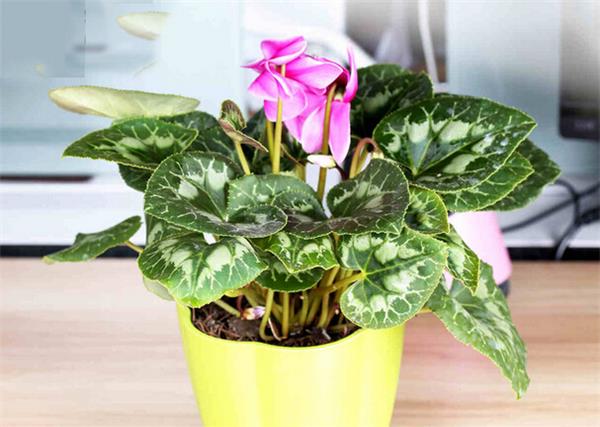
3. It can be placed in the living room. The flower name cyclamen implies welcoming honored guests and praying for good luck to arrive, carrying an auspicious meaning. Its refined flowers stand on tall flower stems, with a scene of varying heights, like a flock of birds flying with spread wings, reminding people of the elegant bearing of immortals riding the clouds in a clear breeze. Such a potted flower can let visiting guests feel a welcome omen and also keep the family safe and happy.
The insight of feng shui is that when a room has joyful energy, it has wealth energy. Cyclamen fills the home with joyful energy and brings continuous good luck. The above is the introduction to cyclamen growing methods that the editor has provided for everyone, hoping it can help everyone better understand cyclamen and grow cyclamen.
Cyclamen, cyclamen, means an immortal guest comes gracefully, and such a meaning is very auspicious. What relationship does it have with feng shui?
1. It can be placed in the home's dining room or restaurant. The dining room is where family members replenish their physical strength. A successfully laid out dining room can create a pleasant atmosphere, relax everyone eating, and also benefit the diners' communication and the harmonious relationship among family members. Therefore, the greening and decoration of the dining room are very important. Cyclamen can inject life and vitality into the dining room and add a cheerful atmosphere. It can also be placed on a wooden partition cabinet to divide the dining room from other functional areas. Placing a few pots of lush cyclamen appropriately in a corner of the dining room or on the windowsill will make the dining room full of life and make people's appetites open wide.
2. It can be placed in the study. The study is an elegant, quiet and orderly place, requiring plants that have a calming effect. Imagine placing cyclamen beside a bookcase or desk, letting beautiful flowers extend out from between the pot, giving a special charm. In a smaller study, it is better to choose delicate, petite cyclamen with graceful posture, either placed on the desk or by the window, so the arrangement is neither crowded nor empty, and harmonizes with the size of the room.
3. It can be placed in the living room. The flower name cyclamen implies welcoming honored guests and praying for good luck to arrive, carrying an auspicious meaning. Its refined flowers stand on tall flower stems, with a scene of varying heights, like a flock of birds flying with spread wings, reminding people of the elegant bearing of immortals riding the clouds in a clear breeze. Such a potted flower can let visiting guests feel a welcome omen and also keep the family safe and happy.
The insight of feng shui is that when a room has joyful energy, it has wealth energy. Cyclamen fills the home with joyful energy and brings continuous good luck. The above is the introduction to cyclamen growing methods that the editor has provided for everyone, hoping it can help everyone better understand cyclamen and grow cyclamen.