How to Grow Maidenhair Fern: Easily Solve the Yellowing Leaves Problem
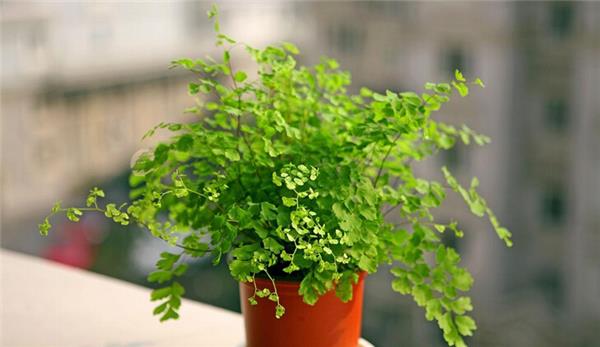
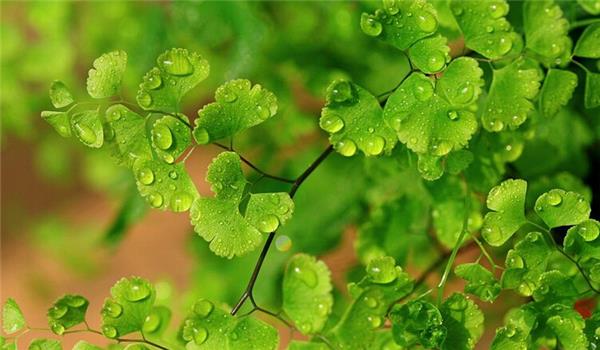
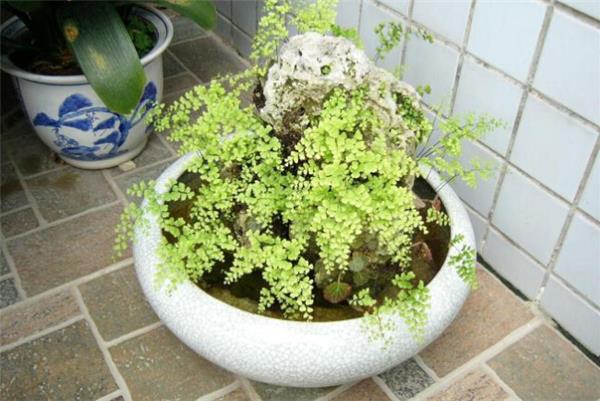
Maidenhair fern, also known as wire grass, maiden's hair, wire fern, and water pig bristle grass, is a perennial evergreen herbaceous plant. Its pale green, thin-textured fronds paired with the glossy black stems make it look especially elegant and graceful. As an indoor potted plant, the maidenhair fern makes the whole indoor space bright and vibrant. So, what are the cultivation methods for maidenhair fern?
Cultivation Methods for Maidenhair Fern
1. Propagation
Under general cultivation conditions, maidenhair fern is mainly propagated by division, and can also be propagated by spores.
Division propagation: Usually in spring (early to mid-April) before new buds sprout, divide the plant while repotting. Knock the plant out of the pot, remove most of the old potting soil, divide it into 2 to several clumps, cut apart the connected rhizomes, and plant each separately in pots to become new plants.
Spore propagation: After the spores of maidenhair fern mature, they scatter on moist soil and can grow and develop into new plants. Therefore, you can often see maidenhair fern plants that have self-propagated and grown at the edge of flower pots or under flower stands. Once they reach a certain height, they can be transplanted into pots.
2. Soil
Maidenhair fern prefers loose, well-drained, fertile calcareous sandy loam. For potting, the growing medium can be made by mixing equal parts of loam, leaf mold, and river sand.
3. Light
It prefers bright indirect light and is afraid of direct sun exposure. If the light is too strong, the leaves will turn yellow and may even die. In summer, appropriate shading can be provided; prolonged direct strong light will cause most of the leaves to turn yellow and wither. Indoors, it should be placed in a spot with dim light; even if placed there for 1 year, it can still grow normally.
4. Temperature
It prefers warmth and is also cold-tolerant. The suitable growing temperature is 21-25°C during the day and 12-15°C at night. In winter, it should be moved into a greenhouse. At temperatures above 5°C, the leaves can still remain fresh and green, but below 5°C, the leaves will suffer cold damage.
5. Watering
Maidenhair fern prefers a humid environment. During the peak growing season, it should be watered thoroughly. In addition to keeping the potting soil moist, attention should also be paid to maintaining relatively high air humidity. When the air is dry, sprinkle water around the plant. Especially in summer, water 1-2 times a day. If it lacks water, the leaves will shrivel. Avoid letting the potting soil alternate between dry and wet, as this easily causes the leaves to turn yellow.
6. Fertilizing
Apply diluted liquid fertilizer 2-3 times a month. When fertilizing, do not splash it on the leaf surface, as this may cause leaf rot. Because maidenhair fern prefers calcium, it is advisable to add an appropriate amount of lime and crushed eggshells to the potting soil. Regular application of calcium fertilizer will produce even better results. In winter, reduce watering and stop fertilizing.
7. Pests and Diseases
Potted maidenhair fern often suffers from leaf blight. In the early stage, Bordeaux mixture can be used for control. In severe cases, a 1000-1500 times dilution of 70% thiophanate-methyl can be used for control. If scale insects harm the plant, a 1000 times dilution of 40% omethoate can be used for control.
8. Pruning
After autumn begins, as the temperature drops, maidenhair fern enters a stage of slow growth, and old leaves gradually turn yellow. At this time, they should be cut off.
9. Repotting
When potting maidenhair fern, light-colored glazed pots or clay pots can be chosen. The potting soil must have good drainage and aeration. Generally, use humus-rich peat soil or leaf mold, add about 1/3 coarse sand and fine sand, and mix in some bone meal. The bottom of the pot should be lined with some broken tiles or coarse sand to facilitate drainage. The rhizome should be planted at a depth of 1.5-2.5 cm. Plant or repot and change soil in spring. For potting, a growing medium commonly made by mixing humus soil or peat soil with a small amount of river sand and base fertilizer is used. Repot every spring. When repotting, do not damage the roots, avoid wind, and keep the potting soil moist and the air humidity relatively high. Once new branches grow, normal care can be resumed.
The relatively delicate maidenhair fern is quite suitable for placement in bedrooms and on balconies. Chinese-style interiors are especially suited to growing this elegant plant, and it pairs very well with other elements. It is not only fresh but also healthy, green, and environmentally friendly. So, what benefits does maidenhair fern have?
The Benefits of Maidenhair Fern for the Home Environment
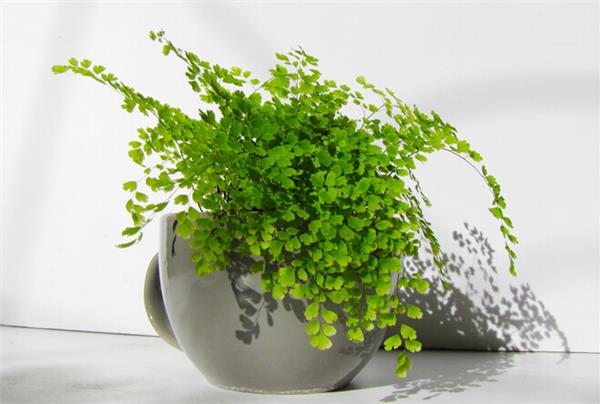
After newly renovated homes are completed, many people grow maidenhair fern as a houseplant. This is because maidenhair fern is an effective formaldehyde purifier and can absorb a certain amount of formaldehyde per hour, thus playing a very good role in the home environment. Moreover, maidenhair fern can effectively absorb harmful substances from cigarette smoke, as well as volatile harmful substances such as oil fumes and paint. In the office, maidenhair fern can also effectively absorb substances such as xylene emitted by computer monitors and printers.
Maidenhair fern is one of the most common green plants in the home. It has extremely high ornamental value, with a graceful and beautiful plant shape and an elegant, flowing appearance. However, many people often encounter problems such as dried or yellowing leaves when growing maidenhair fern, which reduces its ornamental value. So what should be done when maidenhair fern leaves dry out, and what should be done when maidenhair fern leaves turn yellow? What should be done when maidenhair fern leaves dry out?
1. What to Do When Maidenhair Fern Leaves Dry Out: Excessive Sunlight
Cause: Maidenhair fern prefers a semi-shaded environment and avoids direct sunlight. Too much and too strong light will cause rapid evaporation of water from the leaves, leading to dried leaves.
Solution: Generally, it is suitable to place the maidenhair fern in a spot indoors that receives no sunlight, but during the growing season, some sunlight should still be maintained for growth. Adequate indirect light is most suitable.
2. What to Do When Maidenhair Fern Leaves Dry Out: Insufficient Water
Cause: Maidenhair fern likes warm and humid environments the most, which includes keeping both the soil and the surrounding air at relatively high humidity. The main reason maidenhair fern leaves dry out is often insufficient humidity.
Solution: Be sure to water the maidenhair fern to keep the soil moist, and also frequently spray water on the leaf surface to increase air humidity.
3. What to Do When Maidenhair Fern Leaves Dry Out: Waterlogging
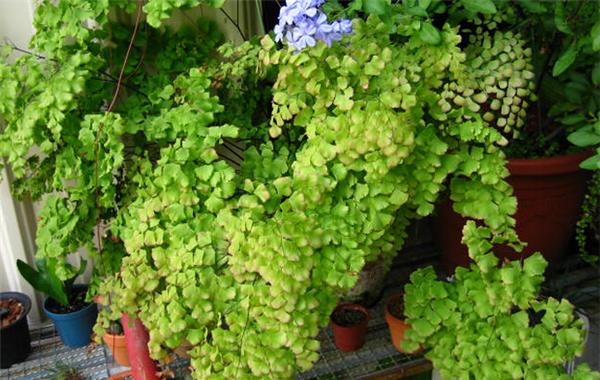
Cause: Maidenhair fern greatly likes high-humidity environments, but if watered too much, it can also cause waterlogging, resulting in dried and withered leaves.
Solution: First, water must be controlled, then check whether the pot and soil can breathe and drain. If not, consider changing the soil, or switching to hydroponics. In ordinary care of maidenhair fern, follow the principle of watering less and spraying more. In northern areas with dry air, consider placing a saucer of water under the pot to increase air humidity.
4. What to Do When Maidenhair Fern Leaves Turn Yellow: Improper Fertilizing
Cause: Improper watering and fertilizing of maidenhair fern can splash the leaf surface, causing the leaves to turn yellow and wither, affecting the ornamental effect.
Solution: Maidenhair fern does not need much fertilizer. Generally, applying diluted cake fertilizer water once every 2-3 weeks is enough. If a small amount of calcium fertilizer can be added, the effect will be even better.
5. What to Do When Maidenhair Fern Leaves Turn Yellow: Unsuitable Soil
Cause: Maidenhair fern grows quickly and needs repotting every spring. It prefers loose, well-drained, fertile calcareous sandy loam. When repotting, attention must be paid to soil selection. If the soil does not match the growth habits of maidenhair fern, it can easily lead to poor growth, and the leaves will begin to turn yellow and fall.
Solution: For potting, the growing medium can be made by mixing equal parts of loam, leaf mold, and river sand.
6. What to Do When Maidenhair Fern Leaves Turn Yellow: Improper Pruning
Cause: During care, if dead leaves are found on maidenhair fern, they should be cut off promptly to keep the plant fresh and attractive and to help new leaves sprout. Otherwise, if the branches and leaves are too messy and crowded, growth will weaken and the leaves will turn yellow.
Solution: When the leaf clusters of maidenhair fern are too dense, the old leaves can be properly pruned each autumn.
Summary: After reading this article, I believe everyone has gained some understanding of what to do when maidenhair fern leaves dry out, what to do when maidenhair fern leaves turn yellow, and how to grow maidenhair fern. If you want your maidenhair fern to be graceful and full of variety, you must be more careful in its care. The above is a related introduction on what to do when maidenhair fern leaves dry out and what to do when maidenhair fern leaves turn yellow. I hope it can be helpful to everyone.
Solution: Generally, it is suitable to place the maidenhair fern in a spot indoors that receives no sunlight, but during the growing season, some sunlight should still be maintained for growth. Adequate indirect light is most suitable.
2. What to Do When Maidenhair Fern Leaves Dry Out: Insufficient Water
Cause: Maidenhair fern likes warm and humid environments the most, which includes keeping both the soil and the surrounding air at relatively high humidity. The main reason maidenhair fern leaves dry out is often insufficient humidity.
Solution: Be sure to water the maidenhair fern to keep the soil moist, and also frequently spray water on the leaf surface to increase air humidity.
3. What to Do When Maidenhair Fern Leaves Dry Out: Waterlogging
Cause: Maidenhair fern greatly likes high-humidity environments, but if watered too much, it can also cause waterlogging, resulting in dried and withered leaves.
Solution: First, water must be controlled, then check whether the pot and soil can breathe and drain. If not, consider changing the soil, or switching to hydroponics. In ordinary care of maidenhair fern, follow the principle of watering less and spraying more. In northern areas with dry air, consider placing a saucer of water under the pot to increase air humidity.
4. What to Do When Maidenhair Fern Leaves Turn Yellow: Improper Fertilizing
Cause: Improper watering and fertilizing of maidenhair fern can splash the leaf surface, causing the leaves to turn yellow and wither, affecting the ornamental effect.
Solution: Maidenhair fern does not need much fertilizer. Generally, applying diluted cake fertilizer water once every 2-3 weeks is enough. If a small amount of calcium fertilizer can be added, the effect will be even better.
5. What to Do When Maidenhair Fern Leaves Turn Yellow: Unsuitable Soil
Cause: Maidenhair fern grows quickly and needs repotting every spring. It prefers loose, well-drained, fertile calcareous sandy loam. When repotting, attention must be paid to soil selection. If the soil does not match the growth habits of maidenhair fern, it can easily lead to poor growth, and the leaves will begin to turn yellow and fall.
Solution: For potting, the growing medium can be made by mixing equal parts of loam, leaf mold, and river sand.
6. What to Do When Maidenhair Fern Leaves Turn Yellow: Improper Pruning
Cause: During care, if dead leaves are found on maidenhair fern, they should be cut off promptly to keep the plant fresh and attractive and to help new leaves sprout. Otherwise, if the branches and leaves are too messy and crowded, growth will weaken and the leaves will turn yellow.
Solution: When the leaf clusters of maidenhair fern are too dense, the old leaves can be properly pruned each autumn.
Summary: After reading this article, I believe everyone has gained some understanding of what to do when maidenhair fern leaves dry out, what to do when maidenhair fern leaves turn yellow, and how to grow maidenhair fern. If you want your maidenhair fern to be graceful and full of variety, you must be more careful in its care. The above is a related introduction on what to do when maidenhair fern leaves dry out and what to do when maidenhair fern leaves turn yellow. I hope it can be helpful to everyone.