How to grow a sago palm and what it is good for
The sago palm (Cycas revoluta) is a fairly common ornamental plant in daily life. Because its trunk is as hard as iron and it likes iron-rich fertilizer, it got the name "iron tree" (sago palm), and it is often planted in the south. It can be seen in the courtyards of many families, so how should a sago palm be grown to suit its growth best, and what are the cultivation methods for a sago palm?
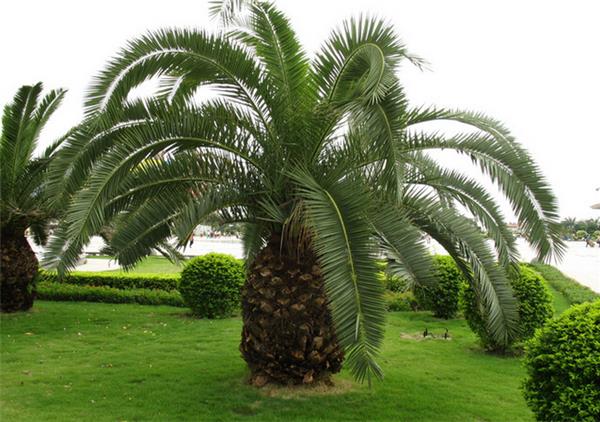
Environment as a cultivation method for the sago palm: The sago palm should be planted in a place with plenty of sunlight, that is moist and warm, and has good ventilation. If the winter is rather cold, the plant should be wrapped with plastic bags or straw bundles; for potted plants, most of the branches and leaves can be cut off, and the plant placed in a sunny, wind-sheltered spot.
Watering as a cultivation method for the sago palm: The sago palm likes moist soil, so loose, fertile, slightly acidic sandy soil is best for its growth. When watering, the principle of "water after the soil dries, dry-wet alternating" should be followed, that is, water after the soil has dried, and there must not be standing water in the surrounding soil, otherwise it easily causes root rot in the sago palm.
Fertilizing as a cultivation method for the sago palm: During the vigorous stage of growth and reproduction, the sago palm needs regular fertilizing to ensure its nutritional needs. Fertilizing is mainly with nitrogen fertilizer and potassium fertilizer, and it is best to apply thin fertilizer frequently. To make the sago palm's leaves dark green and glossy, an appropriate amount of ferrous sulfate solution can be added during fertilizing.
Pruning as a cultivation method for the sago palm: To keep the sago palm's shape neat and well proportioned, the old yellowed leaves from the previous year can be pruned off each year when new leaves grow.
Pest control as a cultivation method for the sago palm: The sago palm's branches and trunk are rather hard, so pests are rarely a problem. If scale insect damage is found, in mild cases wash and kill the insects by hand, and in severe cases spray the leaf surfaces with a 1% concentration of ferrous sulfate.
Propagation methods as a cultivation method for the sago palm
1. Sowing: After the seeds are harvested, store them in sand, and sow them in spots in late April of the following spring. Before sowing, first grind the seed coat open, cover the seeds with about 2 cm of soil, and after sowing place the sowing pot in a sunny place. The best temperature for germination is about 30°C, and they can germinate in about half a month.
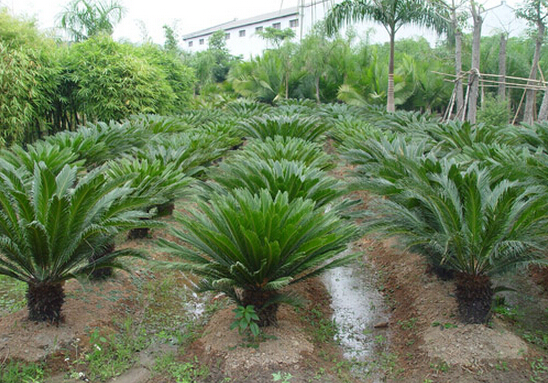
2. Cuttings: From April to May, cut small branches 10-20 cm long from the trunk, trim off some leaves, place them indoors in a ventilated spot so the wounds dry slightly, and then insert them into a sandy loam seedbed.
The sago palm is a green plant grown in many people's homes. It is evergreen all year round, elegant in form, with glossy, smooth, clean feathery leaves. It is very attractive and has fairly high ornamental value. The sago palm not only has high ornamental value but also has good medicinal value, so what effects and uses does the sago palm have?
[Collection] Can be collected throughout the year.
[Chemical composition] Contains phenols, amino acids, and sugars.
[Nature and flavor] Sweet, bland, neutral, slightly toxic. This species is a toxic plant, and its toxicity is that the seeds and the pith at the top of the stem are slightly toxic. After poisoning, people experience dizziness and vomiting. Residents of the Ryukyu Islands once suffered poisoning after eating starch made from this plant, with symptoms including absence of sweating, vomiting, loss of consciousness, and even death.
Main functions and indications of the sago palm:
The sago palm has the effects of clearing heat, stopping bleeding, and dispersing blood stasis. It mainly treats dysentery, vomiting blood, blood in the stool, stomach pain, blood in the urine, excessive menstruation, and swelling and pain from falls and blows.
Effects and uses of sago palm leaves: Astringes and stops bleeding, resolves toxins and relieves pain. Used for various kinds of bleeding, gastritis, gastric ulcer, high blood pressure, neuralgia, amenorrhea, and cancer.
Effects and uses of sago palm flowers: Regulates qi and relieves pain, benefits the kidneys and secures essence. Used for stomach pain, spermatorrhea, leukorrhea, and dysmenorrhea.
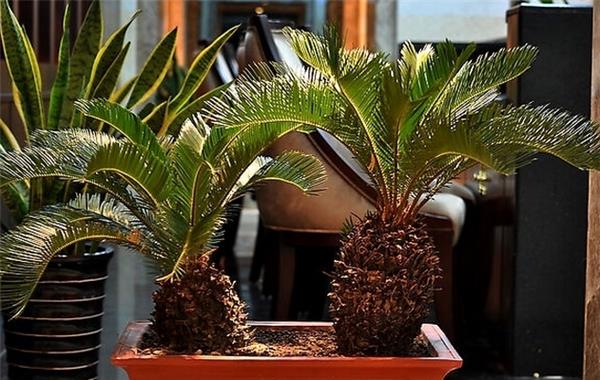
Effects and uses of sago palm seeds: Calms the liver and lowers blood pressure. Used for high blood pressure.
Effects and uses of sago palm roots: Dispels wind and activates collaterals, tonifies the kidneys. Used for hemoptysis from pulmonary tuberculosis, toothache due to kidney deficiency, lower back pain, leukorrhea, numbness and pain in rheumatic joints, and injuries from falls and blows.
Usage and dosage of the sago palm:
Oral use: Decocted in water, leaves and flowers 1-2 liang; seeds and roots 3-5 qian.
Note: The seeds and the pith at the top of the stem of the sago palm are toxic, so it should be used with caution.
[Selected formulas]
① To treat red dysentery: Sago palm leaves 1 liang, pomegranate peel 3 qian, purslane 1 liang, honeysuckle 5 qian. Decoct in water and take. (Lu Chuan Materia Medica)
② To treat blood in the stool: Sago palm leaves 1 liang, lean pork 4 liang. Boil and take. (Lingnan Collection of Medicinal Herbs)
The sago palm is one of the most widely planted cycad plants, growing outdoors in warm temperate and subtropical regions, or in cold regions under glass. It grows in sandy, well-drained soil, preferably with some organic matter. So when growing a sago palm, you will always encounter one small problem or another, so how should they be solved?
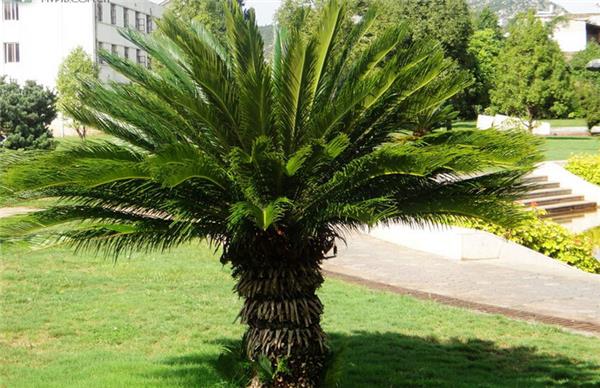
Some problems in growing the sago palm
1. The sago palm grows slowly - although they look fantastic, waiting for a sago palm to grow to a decent size can be an exercise in patience. In most cases, a sago palm will only add 1-2 (2-5CM) per year - and that is a good year.
2. Big leaf catcher - because of their shape and growth habit, sago palms have large leaf catchers. If that is why most gardeners plant this plant, but it can become a reason for them to pull it down, that is a bonus. Therefore, the position where they are planted will not be damaged by fallen leaves or leaf-shedding trees.
3. Sago palms need warm summers - sago palms can endure cold winters if the sago palm cannot get good summer warmth. If your summers do not average at least 20°C, then cycads may not be a choice for your garden.
4. Sago palms need sunlight - just like warm summers, sago palms bask in full sunlight. Although sago palms grow in shade and perform fairly well in partial shade, sago palms can often become leggy and prone to disease without at least half a day of sun.
5. Toxicity hazard - for those gardening pet lovers who keep sago palms and dogs within the same confines, it is asking for trouble. The seeds of the sago palm are highly toxic and will kill a dog within a few hours of being digested. Also, do not think your children are immune - this could seriously harm them.
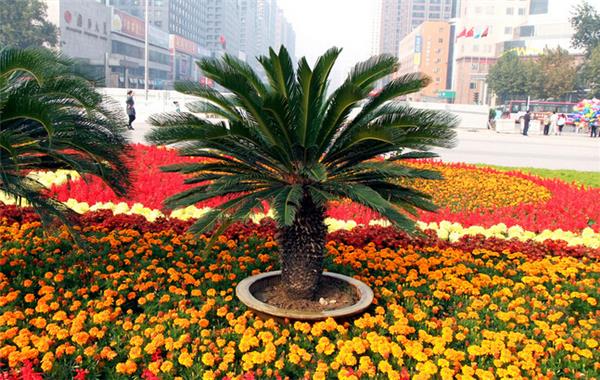
The sago palm is very common in our daily lives. Many families use it to decorate and beautify their homes. It is a very beautiful tree species and also has good medicinal value. That is all for the sago palm's cultivation methods and its effects and uses. We hope it can help everyone.
Some problems in growing the sago palm
1. The sago palm grows slowly - although they look fantastic, waiting for a sago palm to grow to a decent size can be an exercise in patience. In most cases, a sago palm will only add 1-2 (2-5CM) per year - and that is a good year.
2. Big leaf catcher - because of their shape and growth habit, sago palms have large leaf catchers. If that is why most gardeners plant this plant, but it can become a reason for them to pull it down, that is a bonus. Therefore, the position where they are planted will not be damaged by fallen leaves or leaf-shedding trees.
3. Sago palms need warm summers - sago palms can endure cold winters if the sago palm cannot get good summer warmth. If your summers do not average at least 20°C, then cycads may not be a choice for your garden.
4. Sago palms need sunlight - just like warm summers, sago palms bask in full sunlight. Although sago palms grow in shade and perform fairly well in partial shade, sago palms can often become leggy and prone to disease without at least half a day of sun.
5. Toxicity hazard - for those gardening pet lovers who keep sago palms and dogs within the same confines, it is asking for trouble. The seeds of the sago palm are highly toxic and will kill a dog within a few hours of being digested. Also, do not think your children are immune - this could seriously harm them.
The sago palm is very common in our daily lives. Many families use it to decorate and beautify their homes. It is a very beautiful tree species and also has good medicinal value. That is all for the sago palm's cultivation methods and its effects and uses. We hope it can help everyone.