A Detailed Guide to Money Tree Cultivation Methods and Feng Shui Effects
The money tree (Zamioculcas zamiifolia) can be grown for many years and stays green year-round as a foliage plant. It is native to tropical Africa and is now cultivated all over the world. The key to growing a money tree is choosing good potting soil, controlling the growing temperature, providing appropriate sunlight, watering and fertilizing in a timely manner, and doing a good job of preventing and treating pests and diseases. So what exactly are the cultivation methods for the money tree?
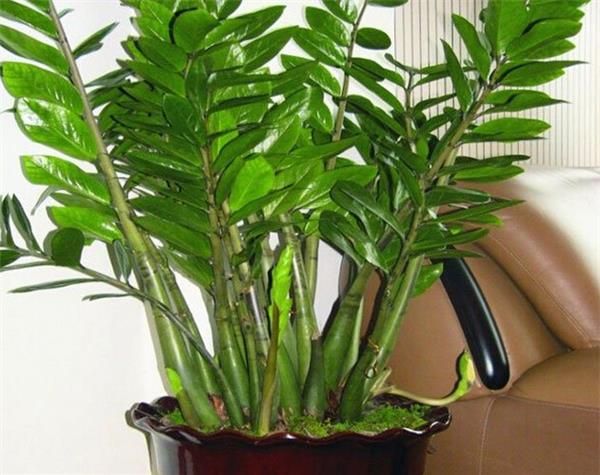
1. Key factors in choosing potting soil
The basic requirement for money tree planting soil is good permeability. A mix of peat, coarse sand or rinsed coal cinders with a small amount of garden soil is often used as the growing medium. The money tree has large tubers, a well-developed root system and relatively long pinnate compound leaves, so during the growing season you should observe it often and repot and change the soil in a timely manner according to its growth. In addition, if water accumulates in the pot, repot and change the soil promptly.
2. Controlling the growing temperature
The normal growing temperature for the money tree is 25-32°C. Temperatures that are too high or too low are both bad for its growth. Above 35°C the money tree will stop growing, and below 5°C it will suffer cold damage. In winter it is best to keep the temperature between 8°C and 10°C, which is safer and more reliable.
3. Making use of light
The money tree is a plant that likes light but also tolerates shade. During cultivation you should create an environment for it that has fairly good sunlight with some shade. As with all indoor flowering plant cultivation, the money tree also dislikes intense sunlight and direct exposure, especially after rain clears in early summer and around noon in summer, when strong sunlight should be avoided, otherwise the plant will be scorched.
4. Fertilizing
The money tree relatively likes fertilizer. In addition to adding an appropriate amount of fertilizer when planting, you can fertilize once a month during the growing season. However, it should not be fertilized in winter, to avoid fertilizer damage to the roots under low-temperature conditions.
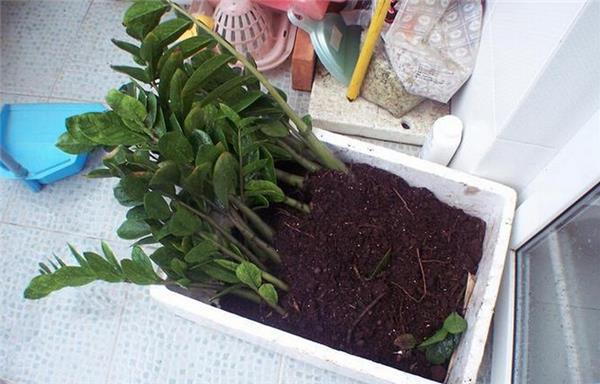
5. Watering precautions
The money tree is fairly drought-tolerant, so water it only when the soil looks dry. The watering principles for different seasons are: once every half month in winter, once a week in spring and autumn, and once every 3 days in summer (you can also spray water instead of watering, especially during the severe cold of winter). Do not use too much water each time, because too much water will also affect the normal growth of the money tree and in serious cases can cause root rot and plant death. In addition, the potting soil for the money tree should not be overly moist; it is better to keep it on the dry side, as overly wet potting soil can also easily cause the roots to rot.
6. Preventing and treating pests and diseases
For pest and disease control in money tree cultivation, for routine sterilization and disinfection and to prevent tuber rot, brown spot disease and so on, you can alternate thiophanate-methyl suspension concentrate at 1500 times dilution and dimethomorph 1000 times dilution. When the money tree grows in a poorly ventilated environment with poor light, its leaves are more likely to be harmed by scale insects, and you can use 20% buprofezin wettable powder at 1000 times dilution as a spray to eliminate them.
Just from the name you can tell that the money tree is a very auspicious plant. Indeed, the money tree is a very famous feng shui plant. What special feng shui effects does it have?
1. Placing the money tree on the balcony. In everyone's home, the balcony is the place closest to nature's sunlight, air and rain, and is where the house draws in energy, having a very important influence on the feng shui of the entire residence. Green plants can regulate vitality. Generally speaking, the money tree has round, thick and full leaves, is easy to grow and has strong vitality, absorbing the metal energy of the outside world, and is extremely beneficial for bringing wealth to the home. Moreover, a money tree with thicker, larger and greener leaves is even better. Placing it on the balcony not only helps prosper the home but also beautifies it, pleases the mood, and has a very positive effect on people's physical and mental health.
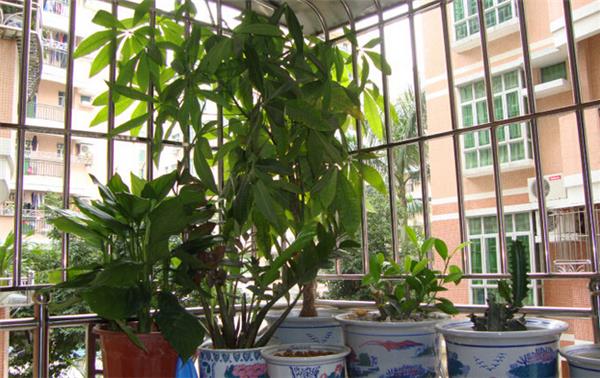
2. Placing the money tree indoors. We all know that some plants are very suitable for placing inside the home, being very helpful for both feng shui and the health of family members. Placing a wealth-bringing plant such as the money tree indoors can help attract wealth. The living room is the place for entertaining guests and gathering with friends. Placing a flowering plant like the money tree, which carries the meaning of good fortune and gathering wealth and prosperity, enhances the home's wealth luck and has the effect of bringing in treasure. If it can be placed in the wealth position, the effect is even better, especially a money tree with large leaves, but be careful that it must be planted in soil, not grown in water. At the same time, note that once the plant becomes sick or withers, it must be replaced immediately.
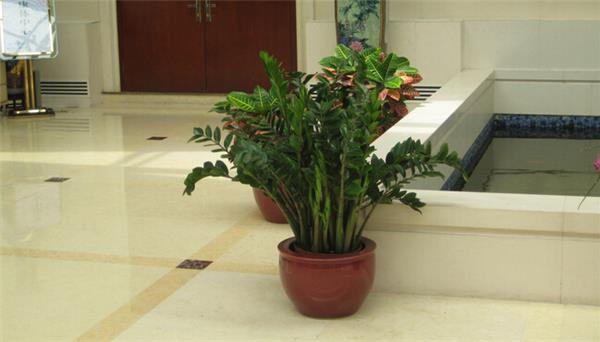
3. Placing the money tree in the office. The newly sprouted pinnate compound leaves of the money tree are also known as "dragon-phoenix wood," which is very unusual. The oval or ovate leaflets on the compound leaves are thick in texture and lovely deep green. If several plants are grown together in an exquisite blue-and-white porcelain pot, it gives a feeling of vigorous upward growth and lush greenness. It is most suitable for placing on an office desk, suitable for openings and promotions, and is said to bring you rolling wealth luck. At the same time, the money tree's ability to regulate humidity can also play a role in the office. An air-conditioned office with several money trees will become healthier.
The money tree can grow to a height of 18 m (59.1 ft) in the wild. It has shiny green palmate leaves with lanceolate leaflets and smooth green bark. Its showy flowers open like a peeled banana, revealing hair-like orange-yellow stamens on long, narrow petals. The tree's edible nuts grow in a very large, woody pod. So what are the causes of money tree leaves turning yellow and their solutions?
1. Overly wet watering. Money tree leaves are fleshy and can store water, so it can tolerate drought, but it dislikes waterlogging. Overwatering often causes the plant's roots to rot, which in turn causes yellow leaves.
2. Air that is too dry. The money tree likes a humid environment, and the suitable air humidity is around 85%. Air that is too dry will also cause leaves to turn yellow.
You can take the plant out of the pot and check whether the root system has rotted. If it has rotted, remove the rotted roots and yellow leaves, and replant it in sterilized potting soil, or bury its base in clean sand, keep it in partial shade and control watering, only spraying the branches, leaves and surroundings frequently, and only after it has grown new roots can you resume normal care.
If the roots have not rotted, place the plant in partial shade. Because there are few leaves, the soil does not dry easily after watering, so you should control watering and frequently spray water on the leaf surface, letting it slowly return to normal growth.
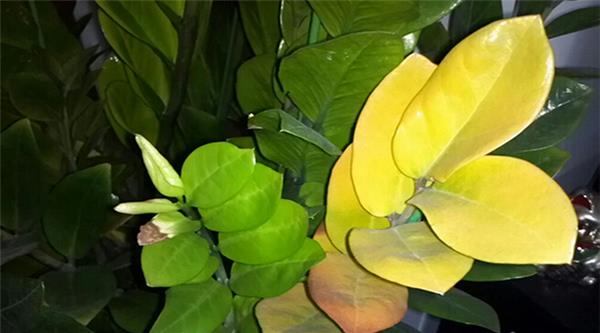
Growing such a potted plant at home can effectively absorb carbon dioxide from the air and also has considerable ornamental value, making it a good choice as a home potted plant! I hope this article can be helpful to everyone.
The money tree can grow to a height of 18 m (59.1 ft) in the wild. It has shiny green palmate leaves with lanceolate leaflets and smooth green bark. Its showy flowers open like a peeled banana, revealing hair-like orange-yellow stamens on long, narrow petals. The tree's edible nuts grow in a very large, woody pod. So what are the causes of money tree leaves turning yellow and their solutions?
1. Overly wet watering. Money tree leaves are fleshy and can store water, so it can tolerate drought, but it dislikes waterlogging. Overwatering often causes the plant's roots to rot, which in turn causes yellow leaves.
2. Air that is too dry. The money tree likes a humid environment, and the suitable air humidity is around 85%. Air that is too dry will also cause leaves to turn yellow.
You can take the plant out of the pot and check whether the root system has rotted. If it has rotted, remove the rotted roots and yellow leaves, and replant it in sterilized potting soil, or bury its base in clean sand, keep it in partial shade and control watering, only spraying the branches, leaves and surroundings frequently, and only after it has grown new roots can you resume normal care.
If the roots have not rotted, place the plant in partial shade. Because there are few leaves, the soil does not dry easily after watering, so you should control watering and frequently spray water on the leaf surface, letting it slowly return to normal growth.
Growing such a potted plant at home can effectively absorb carbon dioxide from the air and also has considerable ornamental value, making it a good choice as a home potted plant! I hope this article can be helpful to everyone.