The Benefits and Clever Uses of Mugwort, and a Detailed Explanation of the Benefits of Soaking Feet in Mugwort
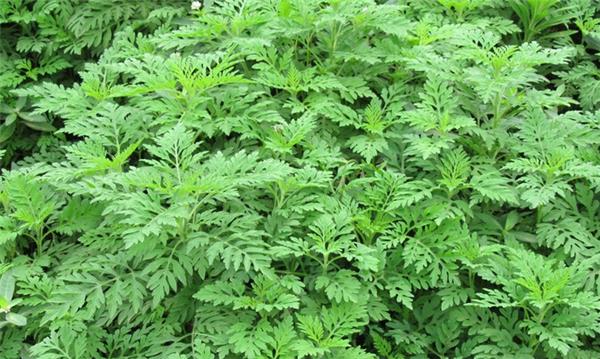
Mugwort has very high efficacy and nutritional value, and its medicinal value is also very high. Mugwort can effectively expel cold and dampness, warm the meridians, and is especially good for treating some gynecological diseases. So, what are the benefits of soaking feet in mugwort?
1. Removing deficient fire and cold fire
It can treat oral ulcers, sore and swollen throat, periodontitis, gingivitis, otitis media, and other head and facial conditions that recur and are related to deficient fire and cold fire.
Whenever the above conditions occur, take a small handful of mugwort leaves, boil them in water, and then soak the feet; or take one quarter of a pure mugwort stick made from pure mugwort leaves, tear it into pieces, put it into a foot-soaking bucket, pour boiling water over it and let it steep for a while, then after the mugwort leaves have opened up, add some warm water and soak the feet. Soak until the whole body breaks a slight sweat; do not sweat heavily. Drink more warm water. Generally, soaking several times in a row, that is, after 2-3 days.
At the same time, drink more warm boiled water, do not eat cold and cooling foods, and pay attention to rest. These discomforts in the head, face, and throat caused by deficient fire and cold fire will all noticeably improve or disappear.
2. Dispelling cold
As the saying goes, "cold starts from the feet." When the feet are cold, the circulation of qi and blood becomes sluggish, leading to physical discomfort.
Soaking feet in mugwort leaves has the effect of dispelling cold. Soaking the feet in hot water every day already has the effect of promoting blood circulation and driving out damp cold from the body, and moreover mugwort can unblock the twelve meridians and regulate yin and yang. In people whose meridians are unobstructed, qi and blood will flow smoothly along with them, and in people with healthy qi and blood, the cold within the body naturally has nowhere to remain. (Regarding mugwort leaves' cold-dispelling effect, it is suggested here that everyone can use the method of moxa stick fumigation and moxibustion, and the effect will be even more obvious.)
3. Treating colds
When you catch a cold from chilling, have clear runny nose, sore throat, whole-body aching, or accompanying fever, you can soak your feet in mugwort leaf water, and you need to soak until the body sweats. You must also drink ginger brown sugar water at the same time. When there is fever, add scallion white; when there is cough, add a few cloves of garlic. You need to drink it several times in a row, until the body feels hot and no longer aches all over or has a clear runny nose, then drink a large amount of boiled water to promptly expel the virus and cold fire, and pay attention to rest. Your cold will recover quickly.
4. Boiling mugwort leaves in water to prevent and treat colds in children
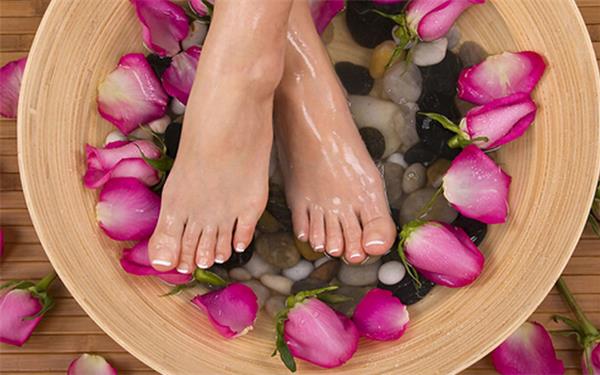
Many children catch colds because their clothing is not adjusted in time. In mild cases they have a runny nose; in severe cases they cough continuously. Doctors generally advise parents that mugwort leaves can be used to prevent and treat mild cases of wind-cold colds in children. Wind-cold colds occur more often in winter. From a pharmacological perspective, mugwort leaves are bitter in taste and warm in nature, and have the effect of warming the meridians and dispersing cold. Soaking feet in mugwort leaves can promote sweating and has a certain therapeutic effect on mild cases of wind-cold colds. Parents can use 100 grams of mugwort leaves, add 2500 milliliters of water, boil for half an hour, then let it cool to a suitable temperature that is not scalding to the touch, and let the child soak both feet in the basin for 15 minutes. Adults can rub the child's soles. Soak 3 times a week.
5. Soaking feet in mugwort leaves can treat damp tinea, eczema, and itchy skin
Mugwort leaves have an inhibitory effect on many kinds of pathogenic dermatophytes, and through the sensation of heat, they promote blood circulation and can force summer dampness out of the body. Damp tinea, eczema, and itchy skin are mostly caused by exposure to summerheat, dampness, and toxic heat, which accumulate in the skin, block the meridians, and stagnate blood and qi, causing fungal infection, with symptoms such as erosion, oozing, or the appearance of pustules. Internal stagnation of fire-heat, with repeated exposure to wind pathogens, can all cause this disease; in severe cases there is fever and headache, and when heat is excessive it damages fluids, causing dry throat and thirst. Mugwort leaves have an obvious inhibitory effect on fungi and can effectively remove harmful bacteria from the skin surface and within the pores, and regulate the balance of the body's endocrine system. Their nature and flavor are pungent and cool, and they also have antiviral, anti-allergic, and immune-enhancing functions, with a marked effect of clearing heat, detoxifying, and resolving dampness. You can soak for about 20 minutes each day; the time should not be too long, and if the time is too short it will not have much effect.
6. Fumigating and washing the feet with mugwort leaves can treat cough
Modern pharmacological research shows that the volatile oil contained in mugwort leaves has obvious antitussive, expectorant, and anti-allergic effects. Therefore, one of the reasons why a decoction of mugwort leaves can relieve cough when used to fumigate and wash both feet may be that the volatile gas of mugwort leaves is inhaled through the mouth and nose. At the same time, the soles of the feet are rich in meridians; the meridians of the liver, spleen, kidney, and others all run through the feet. Using a decoction of mugwort leaves to fumigate and wash both feet allows it to enter the lungs and kidneys along the meridians, warmly drive out cold pathogens, diffuse lung qi, promote the reception of qi, and stop cough and wheezing.
Generally speaking, external use of mugwort leaves has no adverse reactions, and the possibility of poisoning is relatively small, but it should not be too concentrated (20-30 grams is appropriate), nor should it be used for a long time; stop once the cough stops.
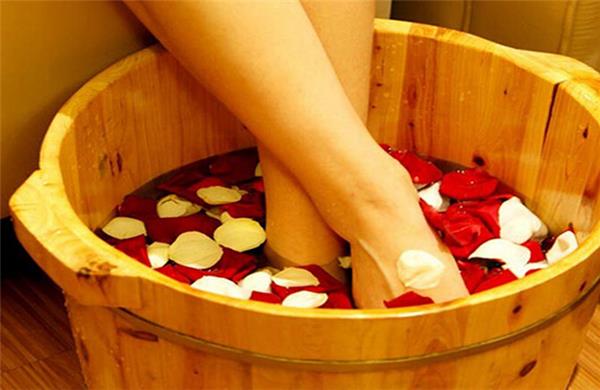
The specific method is: take 30-50 grams of mugwort leaves, put them into 1500 milliliters of boiling water and decoct for about 15 minutes; remove the mugwort leaves, pour the medicinal liquid into a foot basin, and while it is hot steam the feet. To prevent the medicinal vapor from dispersing, you can cover the feet with a piece of plastic sheet (or cloth) slightly larger than the foot basin. When the temperature is suitable, soak the feet; once every night before bed, 15-20 minutes each time. Generally, 3-5 times will show obvious effects.
Contraindications for soaking feet in mugwort leaves
The foot-soaking time should not be too long; 15-30 minutes is appropriate. When soaking the feet, blood will flow to the lower limbs, and the brain is prone to insufficient blood supply. Patients with cardiovascular and cerebrovascular diseases and the elderly should pause foot soaking and rest if they experience chest tightness or dizziness. Diabetics have poor peripheral sensation, so family members should test the water temperature first to prevent scalding.
People with fever and those with low blood pressure or diabetes should soak their feet in mugwort under the guidance of a doctor. Soaking feet in mugwort 2-3 times a week is enough; it should not be too frequent. Soaking feet in mugwort can draw fire downward, and sometimes causes insufficient qi and blood in the head and face, easily leading to dizziness, headache, and also emotional changes.
For soaking feet with Chinese herbal medicine, it is best to use a wooden basin. The chemical composition of metal basins such as copper basins is unstable and easily reacts with tannic acid in Chinese herbal medicine to produce harmful substances such as ferric tannate, greatly reducing the medicinal efficacy.
Children should not soak their feet in overly hot water for a long time. This is because the arch of the foot begins to form in childhood, so attention should be paid to protecting it from an early age. If children's feet are often washed with hot water, the ligaments on the soles will become loose, which is not conducive to the formation and maintenance of the foot arch and easily leads to flat feet.
After soaking for a period of time, it really feels quite good, and discomfort in many aspects of the body has noticeably improved, such as sleep, leg swelling, heavy legs, and so on. Sometimes when you have a cold, just soak your feet, and the effect is really obvious. The key is that soaking the feet promotes blood circulation and removes blood stasis, dredges the meridians, and can prevent and improve many diseases. So, what issues should be noted when soaking the feet?
First, the foot-soaking time should not be too long; 20-30 minutes is appropriate, and it is enough if the area behind the heart feels damp and beads of sweat appear on the forehead. If you do not sweat while soaking your feet, you should not soak for a long time either; it will improve after soaking several more times.
Second, it is best to soak the feet before bed, but one hour after a meal.
Third, warm water at 40-50°C is most suitable. Covering the wooden bucket with a bath towel can not only achieve the purpose of maintaining the water temperature, but also allow the knee joints to be placed inside the bucket, raising the temperature of the knee joints.
Fourth, drink 1 cup of water before and after soaking to facilitate metabolism and replenish body fluids.
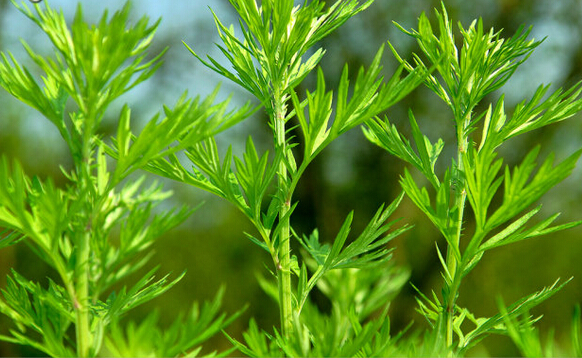
Mugwort is a perennial herbaceous plant. As early as the era of the Book of Songs, mugwort was already a very important plant in people's livelihood. Mugwort has a strong fragrant odor, and people in the south hang it on the main gate during the Dragon Boat Festival. There is also a kind with a relatively mild odor that can be eaten. So, what are the benefits and effects of mugwort?
The benefits and effects of mugwort
Bitter, drying, pungent, and dispersing, it can regulate qi and blood, warm the meridians, expel cold and dampness, and stop cold pain, and is an important medicine in gynecology. It is used to treat cold pain in the epigastrium and abdomen, irregular menstruation due to cold, cold womb and infertility, and other syndromes, such as Aifu Nuangong Pills. Stir-fried to charcoal, it stops bleeding, and can be used to treat excess menstruation of the deficiency-cold type, uterine bleeding, and threatened abortion during pregnancy, such as Jiao Ai Tang. This product is pounded into down and made into moxa sticks and moxa cones; external moxibustion can disperse cold and stop pain, and warm qi and blood. Decocted in water for external washing, it can treat damp sores, scabies, and tinea, and remove dampness and relieve itching.
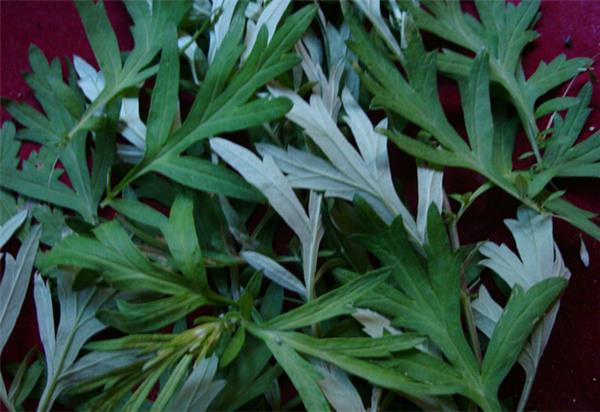
Mugwort leaves have a history of several thousand years in preventing epidemics. Chinese herbal medicines can be obtained locally, and modern medical pharmacological research shows that mugwort leaves are a broad-spectrum antibacterial and antiviral drug. They have inhibitory and killing effects on many viruses and bacteria, and have a certain preventive and therapeutic effect on respiratory system diseases. Fumigation with mugwort leaves for epidemic prevention is a simple and easy method of epidemic prevention.
The above is the related information about mugwort introduced to everyone by the editor. I hope it can help everyone better understand and use mugwort.
Diabetics have poor peripheral sensation, so family members should test the water temperature first to prevent scalding.People with fever and those with low blood pressure or diabetes should soak their feet in mugwort under the guidance of a doctor. Soaking feet in mugwort 2-3 times a week is enough; it should not be too frequent. Soaking feet in mugwort can draw fire downward, and sometimes causes insufficient qi and blood in the head and face, easily leading to dizziness, headache, and also emotional changes.
For soaking feet with Chinese herbal medicine, it is best to use a wooden basin. The chemical composition of metal basins such as copper basins is unstable and easily reacts with tannic acid in Chinese herbal medicine to produce harmful substances such as ferric tannate, greatly reducing the medicinal efficacy.
Children should not soak their feet in overly hot water for a long time. This is because the arch of the foot begins to form in childhood, so attention should be paid to protecting it from an early age. If children's feet are often washed with hot water, the ligaments on the soles will become loose, which is not conducive to the formation and maintenance of the foot arch and easily leads to flat feet.
After soaking for a period of time, it really feels quite good, and discomfort in many aspects of the body has noticeably improved, such as sleep, leg swelling, heavy legs, and so on. Sometimes when you have a cold, just soak your feet, and the effect is really obvious. The key is that soaking the feet promotes blood circulation and removes blood stasis, dredges the meridians, and can prevent and improve many diseases. So, what issues should be noted when soaking the feet?
First, the foot-soaking time should not be too long; 20-30 minutes is appropriate, and it is enough if the area behind the heart feels damp and beads of sweat appear on the forehead. If you do not sweat while soaking your feet, you should not soak for a long time either; it will improve after soaking several more times.
Second, it is best to soak the feet before bed, but one hour after a meal.
Third, warm water at 40-50°C is most suitable. Covering the wooden bucket with a bath towel can not only achieve the purpose of maintaining the water temperature, but also allow the knee joints to be placed inside the bucket, raising the temperature of the knee joints.
Fourth, drink 1 cup of water before and after soaking to facilitate metabolism and replenish body fluids.
Mugwort is a perennial herbaceous plant. As early as the era of the Book of Songs, mugwort was already a very important plant in people's livelihood. Mugwort has a strong fragrant odor, and people in the south hang it on the main gate during the Dragon Boat Festival. There is also a kind with a relatively mild odor that can be eaten. So, what are the benefits and effects of mugwort?
The benefits and effects of mugwort
Bitter, drying, pungent, and dispersing, it can regulate qi and blood, warm the meridians, expel cold and dampness, and stop cold pain, and is an important medicine in gynecology. It is used to treat cold pain in the epigastrium and abdomen, irregular menstruation due to cold, cold womb and infertility, and other syndromes, such as Aifu Nuangong Pills. Stir-fried to charcoal, it stops bleeding, and can be used to treat excess menstruation of the deficiency-cold type, uterine bleeding, and threatened abortion during pregnancy, such as Jiao Ai Tang. This product is pounded into down and made into moxa sticks and moxa cones; external moxibustion can disperse cold and stop pain, and warm qi and blood. Decocted in water for external washing, it can treat damp sores, scabies, and tinea, and remove dampness and relieve itching.
Mugwort leaves have a history of several thousand years in preventing epidemics. Chinese herbal medicines can be obtained locally, and modern medical pharmacological research shows that mugwort leaves are a broad-spectrum antibacterial and antiviral drug. They have inhibitory and killing effects on many viruses and bacteria, and have a certain preventive and therapeutic effect on respiratory system diseases. Fumigation with mugwort leaves for epidemic prevention is a simple and easy method of epidemic prevention.
The above is the related information about mugwort introduced to everyone by the editor. I hope it can help everyone better understand and use mugwort.