A Detailed Guide to Growing and Caring for Peperomia
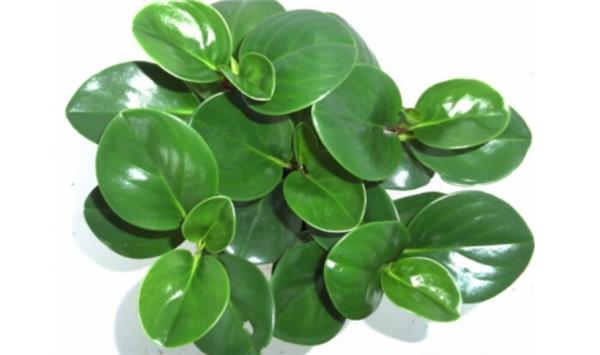
Peperomia has glossy, jade-green leaves and a neat, attractive form. It is fairly shade-tolerant and small and lovely, placed in front of a window, on a desk, or on a coffee table, it adds a unique elegance. To successfully grow any plant, the water, soil and other factors all have an influence, so the growing methods and precautions for Peperomia are essential to know. Below we introduce the growing methods and precautions for Peperomia.
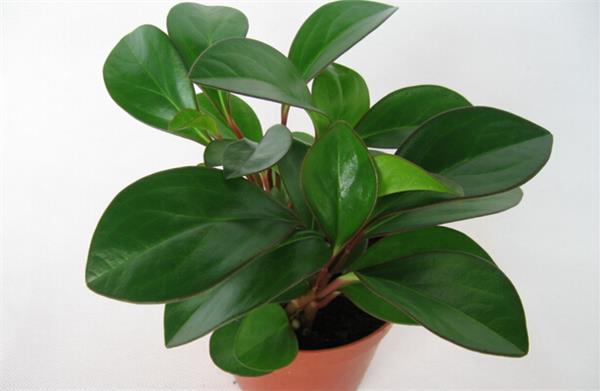
1. Soil: This plant prefers fertile, well-drained sandy soil. When cultivating it, you can mix leaf mold, river sand, and a small amount of decomposed fertilizer together, and then use it as the growing soil.
2. Temperature: This plant likes to grow in a warm environment, so keeping the temperature at 20-30 degrees is fine. In winter it is best kept above 10 degrees, otherwise it will be damaged by the cold below that.
3. Light: Keep it in a semi-shaded spot or a place with a little sunlight. So apart from keeping it in full sun in winter, in the other three seasons you should take care to shade it from the sun.
4. Water: It is suited to growing in a place with plenty of moisture, so keep the air humidity high and also water it reasonably often, but avoid too much water, which can cause it to die.
5. Fertilizer control: The amount and frequency of fertilizing depends on the temperature. If the temperature is above 18 degrees, fertilize less; if it is below 18 degrees, try not to fertilize at all. It is best to fertilize in small amounts but more often, so the nutrients are absorbed.
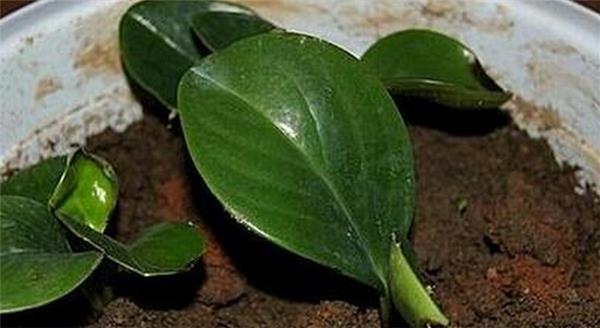
6. Pruning: For newly propagated Peperomia seedlings, once the seedling is about 10 cm tall, pinch out the growing tip to increase the number of branches. This makes the plant fuller and more ornamental. For larger Peperomia plants, prune according to their growth, cutting back leggy branches, which can be used as cuttings; they root very easily and can be inserted in clean river sand or vermiculite, or directly into sandy soil.
7. Propagation: Peperomia is mostly propagated by cuttings. In April-May, choose a robust tip branch about 5 cm long as the cutting, keep 1-2 leaves on the upper part, and after the cut end has dried, insert it into a moist sand bed. Peperomia can also be propagated by leaf cuttings: cut off a leaf with its petiole with a knife, let it dry slightly, then insert it diagonally into a sand bed, and it will root in 10-15 days.
Precautions for growing Peperomia
(1) When the plant is about 10 cm tall, pinch out the growing tip to encourage side branches to sprout and make the plant fuller. The care and management of Peperomia is fairly simple; in summer it can be placed in a shaded spot with scattered light.
(2) Peperomia is vigorous and both planting and care are fairly simple. In spring, summer and autumn it must be kept shaded; in winter it can receive oblique sunlight. Its leaves are thick and fleshy, covered with a waxy layer, with a strong water-storing capacity and low transpiration, so even in the peak growing season it does not need much water. During the spring drought season and when indoor heating is ample in winter, raise the indoor air humidity and you can mist the leaves. In the muggy summer, improve ventilation, otherwise it easily drops leaves.
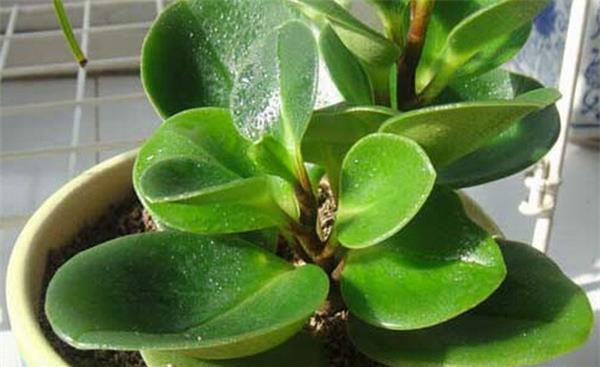
(3) In normal care, pay attention to moderate light and reasonable fertilizer and water. Peperomia likes a shady, cool and humid environment and grows better in scattered light. In spring and autumn the climate is mild and the sunlight is not too strong, so the pot can be placed outdoors. But in summer it must not be exposed to strong direct light, and especially must not be placed in a spot with the western sun, otherwise the branches and leaves will turn yellow. So in summer, move the pot to a cool, shaded place such as a balcony or corridor, or place it indoors, which both avoids the sun and decorates the interior.
(4) Peperomia is not frost-resistant, so after late autumn it should be moved indoors for growing. In the severe cold of winter, keep it in a sunny spot by a south-facing window as much as possible; at a room temperature of 5°C it can safely overwinter. Fertilizer and water management is also very important. Generally, 2-3 year old plants grow well, while plants over 3 years old gradually decline and should be considered for replacement. In addition, to keep the leaves jade-green, they need to be replaced after 3 years.
Peperomia is also called radish green, pepper grass, jade pepper grass, or "little jade". It is a perennial evergreen herbaceous plant of the genus Peperomia in the Piperaceae family. Its flower meaning is neutrality and fairness. It is suited to growing in a warm, humid, semi-shaded environment. The plant is about 23 cm tall, with round stems, branching, pale green with purplish-red markings. The leaves are alternate, slightly fleshy, long-elliptical, deep green, glossy, up to 14 cm long, with a wedge-shaped base and short petioles. The spike inflorescence is 2.5-18 cm long, with small greenish-white flowers; the peduncle is shorter than the spike and smooth and hairless. So, what uses does Peperomia have?
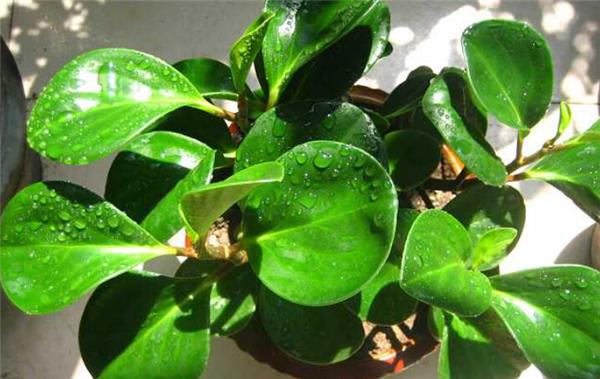
Ornamental use: Peperomia can be used as a small potted plant, often grown in white plastic pots or white porcelain pots. It can be placed on a coffee table, display cabinet, curio shelf, or office desk, and looks very beautiful. Or let the branches spread and hang down, suspended indoors in front of a window or in a bathroom, and it is also extremely fresh and pleasing to the eye.
Air purification: Peperomia has a certain purifying effect on formaldehyde, xylene, and secondhand smoke in the air, and can also resist radiation, which is very beneficial to human health.
Relieving fatigue: Long hours of work cause fatigue and sore eyes. Looking at Peperomia at the right time will make you feel much better, and it can also soothe the mood and refresh you.
Medicinal value: Peperomia also has medicinal effects. It can dispel wind and dampness, relieve cough and phlegm, and invigorate blood and relieve pain. It is used for rheumatic muscle and bone pain, pulmonary tuberculosis, bronchitis, asthma, whooping cough, and dysmenorrhea; externally it is used to treat bruises and fractures.
A plant, as long as you care for it attentively, can certainly be grown successfully. And the growing methods for Peperomia are very simple, are you tempted? If you are, hurry and pick a suitable pot to take home and grow! We hope this article can help everyone grow Peperomia better.
Often grown in white plastic pots or white porcelain pots, it can be placed on a coffee table, display cabinet, curio shelf, or office desk, and looks very beautiful. Or let the branches spread and hang down, suspended indoors in front of a window or in a bathroom, and it is also extremely fresh and pleasing to the eye.Air purification: Peperomia has a certain purifying effect on formaldehyde, xylene, and secondhand smoke in the air, and can also resist radiation, which is very beneficial to human health.
Relieving fatigue: Long hours of work cause fatigue and sore eyes. Looking at Peperomia at the right time will make you feel much better, and it can also soothe the mood and refresh you.
Medicinal value: Peperomia also has medicinal effects. It can dispel wind and dampness, relieve cough and phlegm, and invigorate blood and relieve pain. It is used for rheumatic muscle and bone pain, pulmonary tuberculosis, bronchitis, asthma, whooping cough, and dysmenorrhea; externally it is used to treat bruises and fractures.
A plant, as long as you care for it attentively, can certainly be grown successfully. And the growing methods for Peperomia are very simple, are you tempted? If you are, hurry and pick a suitable pot to take home and grow! We hope this article can help everyone grow Peperomia better.