What to do when the money tree's leaves turn yellow? Ten solutions to teach you
The money tree (Pachira aquatica) has an auspicious meaning and is fairly common in home plant growing. Moreover, during cultivation, the money tree very easily develops yellowing leaves, so what are the causes of yellowing leaves on the money tree and the solutions?
First, the main causes of yellowing money tree leaves are improper watering, insufficient light, pests and diseases, a thick layer of dust on the leaves, too much fertilizer, overly wet soil, hot high temperatures, poor ventilation, low ambient temperature, and alkaline soil and water. Below, the editor will explain in detail the causes of yellowing money tree leaves and the solutions.
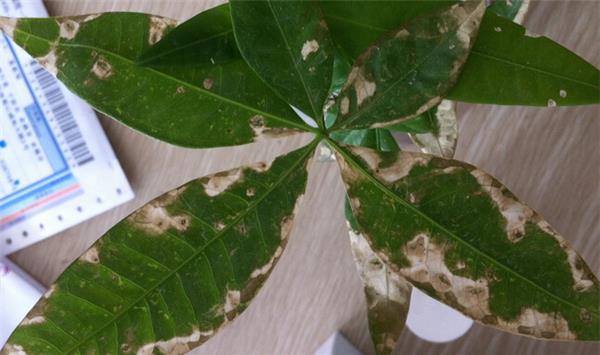
1. Improper watering: The money tree likes a warm and humid climate environment, and the potting soil is best kept moist, but when grown indoors, generally do not water until the potting soil is dry, and when you water, water thoroughly. Because if you do not water thoroughly and only wet the top while the bottom stays dry, it will affect nutrient absorption, causing the leaf color to become dull and lusterless and gradually turn yellow and drop from the bottom upward. In this case, you need to water a small amount and mist frequently, so that it gradually recovers and then returns to normal watering.
2. Unsuitable light: The money tree likes light, but cannot tolerate strong direct light, and semi-shade or scattered light is best; only in winter does it need fairly good light conditions to grow well. Starting in late April, you can choose a clear, warm noon, move the pot outdoors or onto a balcony, expose it to direct sunlight for 1-2 hours, and gradually extend the time, which will give very good growing results. Being in shade or a dimly lit place for a long time will cause yellowing leaves and leaf drop, and in severe cases the plant may even die.
3. Pest and disease control: Leaf spot is a common disease of the money tree. The symptoms are that a few spots appear first, then the spots gradually expand and extend to the entire leaf, and the leaf drops. Garlic juice can be sprayed to sterilize. As for pests, the main ones are red spider mites and scale insects. Red spider mites are small, with a body length of less than 1 mm, and can be effectively controlled with miticides such as manjing, kemai, and dicofol. Scale insects vary in size depending on the species, and their colors also differ greatly, but they share one common feature: they are round or oval, generally do not move, and cling tightly to the plant's stems or leaf stalks to suck sap. When there are few, they can be wiped clean with a cloth strip, because scale insects die as soon as they leave the plant; when there are many, you can spray a solution of essential balm or 0.2% laundry detergent for control.
4. Too much fertilizer: Generally, during the optimum temperature period for money tree growth, fertilizer should be applied regularly to ensure lush growth of the plant; usually a light fertilizer is applied once about every 20 days, and when repotting, well-rotted base fertilizer should be added. However, applying too much fertilizer, or applying fertilizer that has not been fully rotted, will cause root burn in the money tree, resulting in yellowing and dropping leaves.
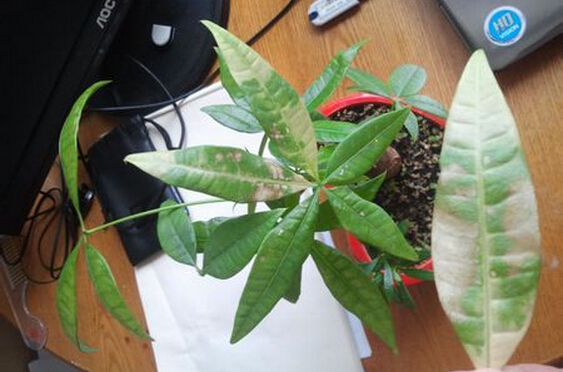
5. Dust on the leaf surface: If the dust on the leaf surface is too thick, it not only affects the appearance, but also affects the plant's respiration and photosynthesis, thus causing the leaves to turn yellow. The dust should be wiped clean in time.
6. Incorrect soil-changing operation: When changing the soil, incorrect operation can also cause yellowing leaves on the money tree. When changing the soil for the money tree, try to damage the roots as little as possible; the added medium should be sterile, breathable, fertile, and slightly acidic, and the potting soil should be filled in firmly without leaving gaps. If there are gaps, no matter how much water is poured, the plant will still show signs of water shortage, causing yellowing leaves.
7. Low ambient temperature: The money tree likes a warm and humid environment, and its optimum growing temperature is 20-30°C. When the air temperature is below 18°C, the money tree stops growing. It can still adapt at temperatures as low as 10°C, but the temperature must not go below 5°C, otherwise cold damage will occur; in mild cases the leaves turn yellow and fall, and in severe cases the plant dies.
8. Hot high temperatures: For the money tree, which likes a warm and humid environment, if it is placed in high temperatures and exposed to the sun, the plant's transpiration will be excessive, and the roots will not be able to supply enough water and nutrients, very easily causing scorched leaf tips or yellowing and dropping leaves; it needs to be moved promptly to a well-ventilated, cool place.
9. Poor ventilation: If the money tree's branches and leaves grow too luxuriantly and have not been pruned for a long time, the inner branches and leaves will receive insufficient light, very easily causing yellowing and dropping leaves. Pruning should be strengthened in time to allow ventilation and light penetration.
10. Alkaline soil and water: In most areas of the north, the soil and water contain more salt and alkali and are not very suitable for growing the acid-loving money tree, because the soil lacks iron elements that it can absorb, so the money tree's leaves will gradually turn yellow. Therefore, when planting, pay attention to choosing acidic soil and frequently water with alum fertilizer water during the growth period.
The money tree is a kind of tree, and from its name it is not hard to understand how closely it is connected with feng shui. If you want a deeper understanding, you may look at the analysis below.
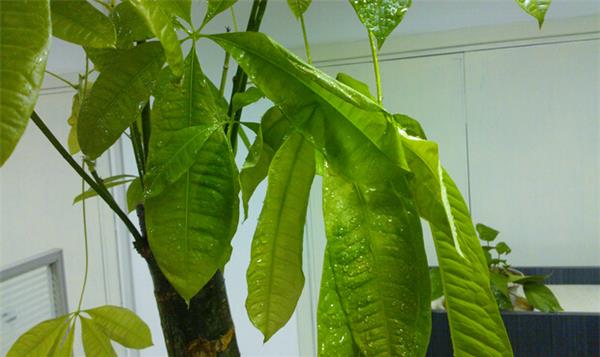
1. Placing a pot of money tree in the southeast direction helps bring in wealth. Clear away the clutter piled up in the southeast area, then move away metal-element items that would destroy wood-element energy, and then you can begin planning the wealth-attracting feng shui of the southeast direction. Colors that strengthen the energy of the southeast direction include deep blue, which belongs to water, and green, which belongs to wood; the money tree is the best choice.
2. Placing a money tree in the feng shui position will make the whole family more energetic. The feng shui position is very suitable for placing bonsai to enhance wood-element energy. The bonsai should be kept healthy and lush, and dried flowers should be avoided because they accumulate yin energy; the money tree is the most popular choice.
3. The meaning of the name is self-evident: to make a fortune. Because the money tree's thick leaves are rich in water, it needs a lot of sunlight and very little water. In winter, the money tree enters a dormant state and needs even less water; any fertilizer rich in potassium is suitable for the money tree. If luck is good, the money tree will bloom in December or July, and at this time unexpected wealth is very likely to arrive.
4. Pressing a large-denomination banknote under the money tree will have the effect of using money to nourish money. The money tree is already an ornamental item with great symbolic meaning, and with money placed underneath it, it is even more conducive to gathering wealth.
I do not need to say much about the money tree's influence on feng shui. The eyes of the masses are sharp; just seeing how many people choose to place a money tree at home makes it clear.
The money tree, as the name suggests, symbolizes prosperity in wealth and fortune. In addition, the money tree itself has a beautiful plant shape and bright leaf color, and after being potted it is suitable for indoor arrangement and beautification, so it is deeply loved by people. So what are the steps of the money tree's hydroponic method?
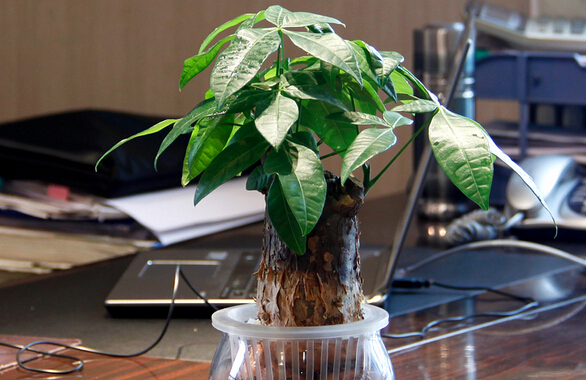
How to grow the money tree: hydroponic method
Select a healthy, robust small soil-grown plant, use the root-washing method for hydroponic cultivation, and it is best to add ceramsite as a substrate, which can both secure the plant and help rooting. At the beginning of hydroponics, change the clear water once every 2-3 days, and new roots can grow after 2 weeks. When the plant has fully adapted to the environment, add foliage plant nutrient solution for maintenance, and replace the nutrient solution once every 2-3 weeks. During the growth period, if a 0.1% potassium dihydrogen phosphate solution can often be sprayed on the leaf surface, it will not only keep the leaves glossy and emerald green, but also promote swelling of the stem base.
1. Take the plant out, remove the substrate, wash the roots clean with tap water, and cut off all the original soil-grown roots from the root crown.
2. Soak the base of the rhizome with a 1500-fold solution of carbendazim or thiophanate-methyl for 10-15 minutes; this can eliminate some disease-causing pathogens.
3. Soak the stem base with a 200 mg/L NAA solution for 20-40 minutes.
4. After taking it out and letting it dry, place the money tree into a hydroponic planting basket and secure it with pebbles or stones, and then cultivation can begin. Note that the water for hydroponics must not be too much; it is best if it just reaches the base of the money tree.
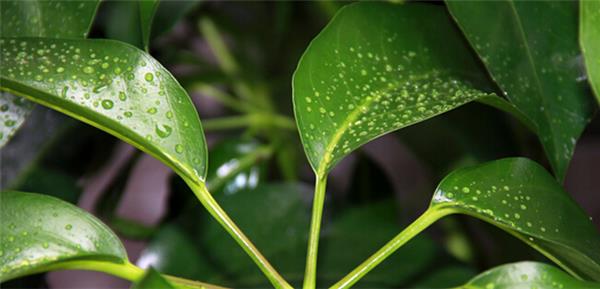
How often should the money tree be watered?
Speaking of watering, many flower lovers ask how often the money tree should be watered. In fact, watering once a week is generally enough, and you should pay attention to the amount of water. Although watering is basic maintenance, too much water will cause root rot. The basic principle for watering the money tree is to prefer moist over dry. Water more in summer and less in winter. When it grows too large, watering begins to increase gradually. Newly acquired potted plants should not be watered too much. When the leaves begin to turn yellow and droop, it should immediately be moved to a cool place, sprayed several times on the leaf surface with a spray bottle, and fertilizing should be stopped; after about half a month it will probably recover.
The above is the editor's introduction to the causes of yellowing money tree leaves and the solutions; I hope it can help everyone.
The money tree is the best choice.2. Placing a money tree in the feng shui position will make the whole family more energetic. The feng shui position is very suitable for placing bonsai to enhance wood-element energy. The bonsai should be kept healthy and lush, and dried flowers should be avoided because they accumulate yin energy; the money tree is the most popular choice.
3. The meaning of the name is self-evident: to make a fortune. Because the money tree's thick leaves are rich in water, it needs a lot of sunlight and very little water. In winter, the money tree enters a dormant state and needs even less water; any fertilizer rich in potassium is suitable for the money tree. If luck is good, the money tree will bloom in December or July, and at this time unexpected wealth is very likely to arrive.
4. Pressing a large-denomination banknote under the money tree will have the effect of using money to nourish money. The money tree is already an ornamental item with great symbolic meaning, and with money placed underneath it, it is even more conducive to gathering wealth.
I do not need to say much about the money tree's influence on feng shui. The eyes of the masses are sharp; just seeing how many people choose to place a money tree at home makes it clear.
The money tree, as the name suggests, symbolizes prosperity in wealth and fortune. In addition, the money tree itself has a beautiful plant shape and bright leaf color, and after being potted it is suitable for indoor arrangement and beautification, so it is deeply loved by people. So what are the steps of the money tree's hydroponic method?
How to grow the money tree: hydroponic method
Select a healthy, robust small soil-grown plant, use the root-washing method for hydroponic cultivation, and it is best to add ceramsite as a substrate, which can both secure the plant and help rooting. At the beginning of hydroponics, change the clear water once every 2-3 days, and new roots can grow after 2 weeks. When the plant has fully adapted to the environment, add foliage plant nutrient solution for maintenance, and replace the nutrient solution once every 2-3 weeks. During the growth period, if a 0.1% potassium dihydrogen phosphate solution can often be sprayed on the leaf surface, it will not only keep the leaves glossy and emerald green, but also promote swelling of the stem base.
1. Take the plant out, remove the substrate, wash the roots clean with tap water, and cut off all the original soil-grown roots from the root crown.
2. Soak the base of the rhizome with a 1500-fold solution of carbendazim or thiophanate-methyl for 10-15 minutes; this can eliminate some disease-causing pathogens.
3. Soak the stem base with a 200 mg/L NAA solution for 20-40 minutes.
4. After taking it out and letting it dry, place the money tree into a hydroponic planting basket and secure it with pebbles or stones, and then cultivation can begin. Note that the water for hydroponics must not be too much; it is best if it just reaches the base of the money tree.
How often should the money tree be watered?
Speaking of watering, many flower lovers ask how often the money tree should be watered. In fact, watering once a week is generally enough, and you should pay attention to the amount of water. Although watering is basic maintenance, too much water will cause root rot. The basic principle for watering the money tree is to prefer moist over dry. Water more in summer and less in winter. When it grows too large, watering begins to increase gradually. Newly acquired potted plants should not be watered too much. When the leaves begin to turn yellow and droop, it should immediately be moved to a cool place, sprayed several times on the leaf surface with a spray bottle, and fertilizing should be stopped; after about half a month it will probably recover.
The above is the editor's introduction to the causes of yellowing money tree leaves and the solutions; I hope it can help everyone.