How to grow Peperomia obtusifolia? Easily master a few classic little tips
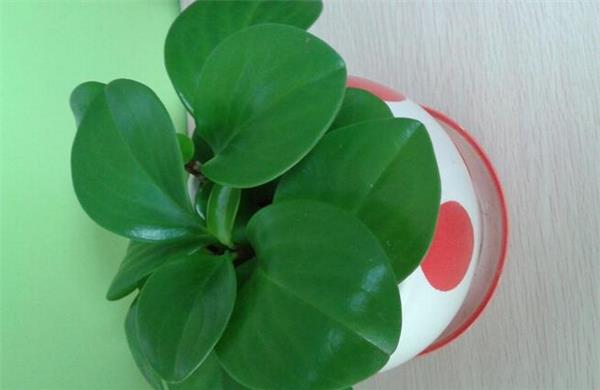
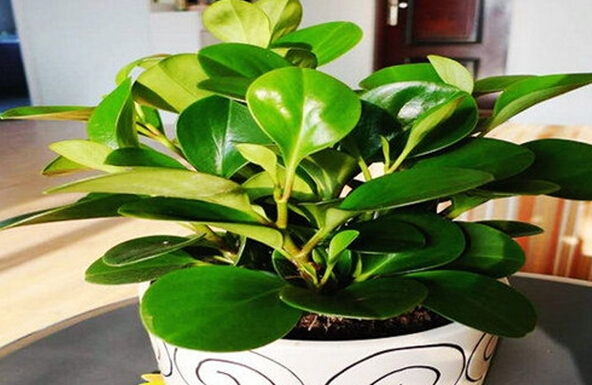
The leaves of Peperomia obtusifolia are emerald green and glossy, the plant shape is neat, and it is fairly shade-tolerant, small and lovely. Placed in front of a window, on a desk, or on a coffee table, it has a distinctive charm, so its cultivation methods and points to note must not be overlooked. Peperomia obtusifolia is a perennial herbaceous plant, also called baby rubber plant, and is a common small potted plant in daily life. It can be placed on a coffee table, on an office desk, or beside a computer or television, and it can also absorb radiation, being both attractive and healthy. How should such a practical Peperomia obtusifolia be grown? Let us learn about it together.
Cultivation methods and points to note for Peperomia obtusifolia - substrate requirements
Substrate: It likes to grow in loose, fertile, well-drained sandy soil rich in humus, and grows poorly in clay. A general substrate can be made by mixing leaf mold + river sand + a small amount of decomposed organic fertilizer; if conditions allow, a mix of peat soil and perlite can be chosen for cultivation.
Cultivation methods and points to note for Peperomia obtusifolia - light requirements
Light: It likes semi-shade or scattered light. Apart from needing sufficient light in winter, it needs a little shading in the other seasons, and especially more shading in summer. If placed in a shaded environment, it tends to grow leggy, with longer internodes, reducing its ornamental value, which is also not advisable. Under semi-shade conditions, the leaf color is brighter and the gloss is better, and especially for variegated varieties, the demand for sunlight is slightly higher.
Cultivation methods and points to note for Peperomia obtusifolia - temperature requirements
Temperature: It likes a warm environment. The suitable growth temperature is between 20-30°C, and the overwintering temperature is best kept above 10°C. Below 10°C it stops growing, and below 5°C it is prone to frost damage.
Cultivation methods and points to note for Peperomia obtusifolia - humidity requirements
Humidity: It likes a moist growing environment. Under high-humidity conditions it grows lushly and the leaf color is vivid. When the temperature is high or the air is dry, leaf spraying should be increased or water should be sprinkled in the growing environment to maintain relatively high air humidity, which is extremely beneficial to the plant's growth. It can also adapt to a short period of dry environment, but not for long, and generally should be kept at around 70%.
Cultivation methods and points to note for Peperomia obtusifolia - watering frequency
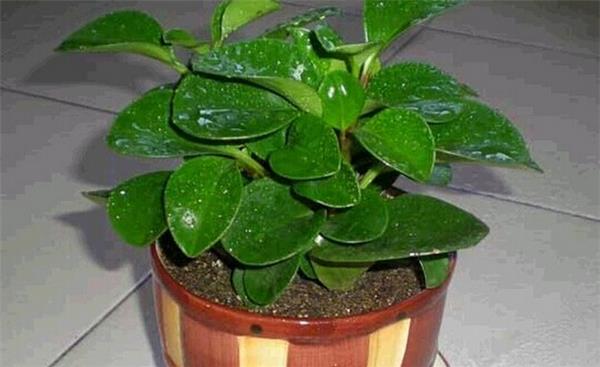
Watering: It fairly likes water and is not tolerant of drought. During the growing period it should be watered frequently. When the temperature is above 25°C or the air is dry, water a little more, but also prevent waterlogging. When the temperature is below 25°C, water thoroughly again only when the surface of the potting soil is dry. When the temperature is below 10°C, it can tolerate several days of dryness without watering.
Points to note for growing Peperomia obtusifolia well
Pest and disease control: Peperomia obtusifolia has relatively few pests and diseases, but overly wet soil often causes leaf spot and stem rot, and occasionally there is damage from scale insects and slugs, which should be controlled promptly.
Repotting: Generally repot once every 2-3 years to maintain soil vitality and let Peperomia obtusifolia grow better.
Pruning essentials: For newly propagated young seedlings, pinch out the growing tips when the seedlings are about 10 cm tall to increase the number of branches. For large plants, pruning is generally determined by growth vigor; cut back leggy branches, so the plant shape is fuller and its ornamental value is also higher.
Propagation of Peperomia obtusifolia: It is mostly propagated by cuttings and division.
Cutting method: During April-May, select healthy top branches of Peperomia obtusifolia, keep 1-2 leaves on the upper part, and take about 5 cm as the cutting. After the cut surface dries, insert it into a moist sand bed. Peperomia obtusifolia can also be leaf-propagated; use a knife to cut off a leaf with its petiole, let it dry slightly, then insert it obliquely into a sand bed, and it will root within 10-15 days.
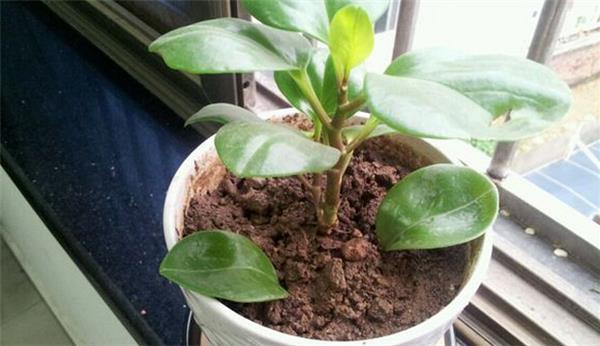
Division method: Mainly used for propagating variegated varieties of Peperomia obtusifolia. The potting soil can be made from leaf mold with base fertilizer added, peat soil plus some perlite or sand.
Peperomia obtusifolia is actually a plant native to the West Indies, Panama, and northern South America. Peperomia obtusifolia generally likes a warm, humid, semi-shaded environment. It is a perennial evergreen herbaceous plant of the genus Peperomia in the family Piperaceae.
Peperomia obtusifolia brings a touch of spring to cultivation; a splash of vivid color in a space can change the entire atmosphere, and lush flowers, tender branches, and green leaves bring the vitality of nature. So what are the ways to pair Peperomia obtusifolia in home life?
Placing several potted Peperomia obtusifolia on the balcony can not only beautify your home environment, but also have good applications in feng shui. Because the balcony is relatively open and sunlight is fairly abundant, it is itself very suitable for planting Peperomia obtusifolia and very suitable for its growth. Moreover, cultivating Peperomia obtusifolia on the balcony also has the effect of bringing vitality and wealth.
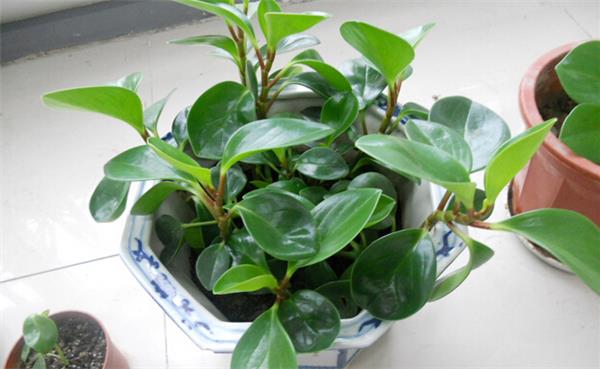
The leaves of Peperomia obtusifolia are emerald green and glossy, the plant shape is neat, and it is fairly shade-tolerant, small and lovely. It is often grown in white plastic pots or white porcelain pots and placed on coffee tables, display cabinets, curio shelves, or office desks, looking very beautiful, fresh and pleasing, with a distinctive charm.
Peperomia obtusifolia likes semi-shade or scattered light. Apart from needing sufficient light in winter, it needs a little shading in the other seasons, and especially more shading in summer. If placed in a shaded environment, it tends to grow leggy, with longer internodes, reducing its ornamental value, which is also not advisable. Under semi-shade conditions, the leaf color is brighter and the gloss is better, and especially for variegated varieties, the demand for sunlight is slightly higher.
In fact, the cultivation methods and points to note for Peperomia obtusifolia are very simple, similar to those for other green plants. As long as flower lovers have a caring heart and always remember to pay attention to them, growing a beautiful Peperomia obtusifolia is no problem. The above are the cultivation methods and points to note for Peperomia obtusifolia, and we hope they are helpful to the many flower lovers.
The plant shape is neat, and it is fairly shade-tolerant, small and lovely. It is often grown in white plastic pots or white porcelain pots and placed on coffee tables, display cabinets, curio shelves, or office desks, looking very beautiful, fresh and pleasing, with a distinctive charm.Peperomia obtusifolia likes semi-shade or scattered light. Apart from needing sufficient light in winter, it needs a little shading in the other seasons, and especially more shading in summer. If placed in a shaded environment, it tends to grow leggy, with longer internodes, reducing its ornamental value, which is also not advisable. Under semi-shade conditions, the leaf color is brighter and the gloss is better, and especially for variegated varieties, the demand for sunlight is slightly higher.
In fact, the cultivation methods and points to note for Peperomia obtusifolia are very simple, similar to those for other green plants. As long as flower lovers have a caring heart and always remember to pay attention to them, growing a beautiful Peperomia obtusifolia is no problem. The above are the cultivation methods and points to note for Peperomia obtusifolia, and we hope they are helpful to the many flower lovers.