How to Grow Scented Geranium and Plant Introduction
Scented geranium is one of the varieties of geranium, and many people like to grow it in pots to decorate their homes. Next, let us take a look at the growing and introduction of scented geranium.
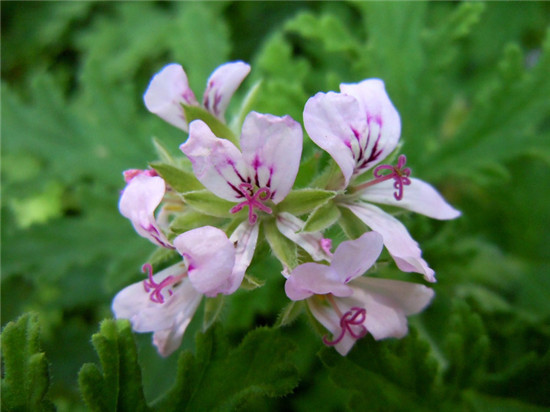
Scented geranium is a type of geranium, native to southern Africa, especially South Africa. They are sometimes called cranesbill or mosquito-repellent grass because they belong to the same family Geraniaceae, but they actually belong to the genus Pelargonium. Scented geranium holds a very important place in the perfume industry. They are widely cultivated and the leaves are distilled for their aromatic oil.
Scented geranium is widely popular because the plant has a volatile fragrance. It can be used to make essential oil, whose main components include geraniol, citronellol, linalool, and others. Scented geranium has a variety of scents, including rose, citrus, mint, coconut, and cardamom, as well as many fruit flavors. Because it is easy to cultivate and manage and has a high essential oil yield, it can serve as a substitute for other essential oils with low yields, such as rose essential oil or neroli essential oil.
A common name for scented geranium is rose geranium. In addition, the leaves of scented geranium are not the "bay leaf" used as a cooking spice. Bay leaf is the leaf of the laurel tree.
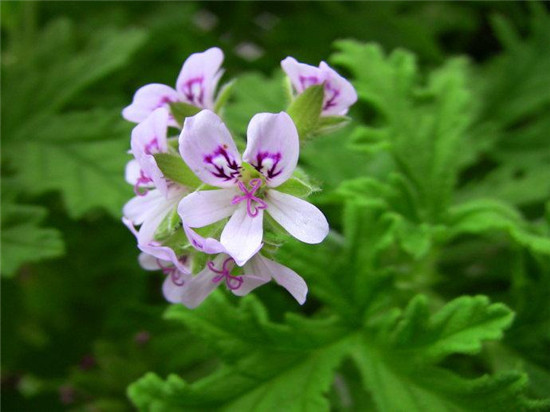
Scented geranium prefers a warm, humid environment with plenty of sunlight. It has poor cold tolerance and is afraid of excessive moisture and high temperatures. The suitable growing temperature from March to September is 13-19°C, and the winter temperature is 10-12°C. From June to July it enters a semi-dormant state, and watering should be strictly controlled.
It prefers fertile, loose, and well-drained sandy loam. In winter, the temperature should not be lower than 10°C, and it can tolerate short periods of 5°C low temperature. Single-petal varieties require artificial pollination to improve the seed-setting rate. The seeds mature about 40-50 days after flowering.
When cultivated as an annual crop, seedlings are generally raised in a greenhouse or hotbed in the winter of the previous year. For cuttings, use well-developed mature new shoots about 15 cm long, keeping 1-2 top leaves. After rooting, a temperature of 8-10°C should be maintained. Planting out takes place after the late frost of the following year, with a plant spacing of 50-60 cm. Each year in June-July and mid-October, it can be harvested once each, and in many cases 3-4 times. The oil yield is about 0.1-0.2%.
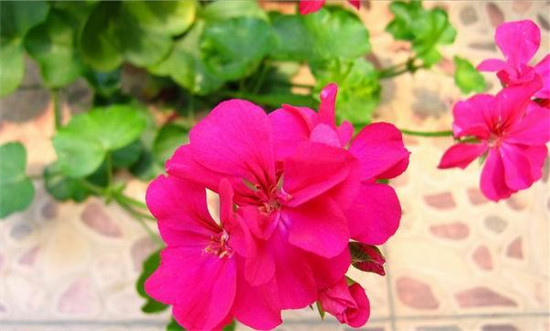
Scented Geranium Growing Tips
1. Soil
Geranium requires fertile, well-drained soil. For potting soil, use 1/3 leaf mold, 1/3 rice husk ash, and 1/3 garden soil, then add a small amount of superphosphate and mix evenly.
2. Watering
Geranium is drought-tolerant and afraid of waterlogging. Therefore, during growth, water should be controlled appropriately. Too much watering and excessive water content in the potting soil will cause leggy growth or root rot. In spring and autumn, when growth and flowering are vigorous, it can be watered a little more, but it is still best to keep the potting soil moist. In winter, when the temperature is low and the plant grows slowly, watering should be minimized.
3. Fertilizing
During cultivation, in addition to applying sufficient base fertilizer, a thin liquid fertilizer can be applied once every 7-10 days during the growing season, especially at peak flowering. Diluted decomposed livestock and poultry manure is even better, and decomposed cake fertilizer water can also be used for watering. Three to five days before fertilizing, water less or not at all; applying it when the potting soil is on the dry side is more favorable for root absorption.
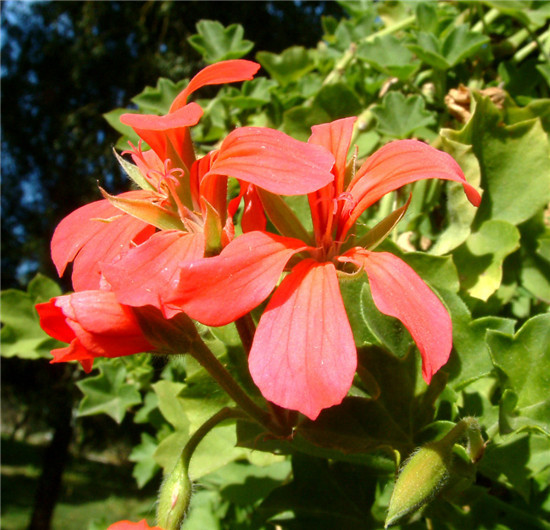
4. Light
Geranium originates from South Africa and prefers environmental conditions with plenty of sunlight, warmth, and good ventilation. In spring and early summer, when sunlight is not too intense, the flower pot can be placed in a spot with ample light so it receives sufficient sunlight, but in the hot seasons of midsummer and early autumn, it should be placed in a shaded area and kept away from direct strong light, otherwise the branches and leaves will be scorched.
5. Pruning
To make the plant shape attractive and produce more flowers, if the plant grows too vigorously in spring, branch thinning and pruning can be carried out. After flowering, promptly cut off spent flowers and overly dense branches. A pruning should also be done during the dormant period, cutting off yellowed old leaves, thinning out overly dense branches, and shortening overly long branches, so that after the dormant period new branches can sprout and continue to form buds and bloom. In addition, geranium itself has a special scent and is rarely attacked by pests. Therefore, no control is needed.
The above is all the content I have summarized for you on the growing and introduction of scented geranium. I hope this article can help everyone. Please also continue to follow us.