How to Water Aloe Vera: A Guide to Easily Growing Healthy Aloe Vera
Aloe vera is drought-tolerant but afraid of waterlogging. When the potting soil is too wet and drainage is poor, it can easily cause aloe leaves to shrivel, roots and stems to rot, and even death. To make aloe grow lush leaves and thick flesh, timely and appropriate watering is very important. The optimal humidity for aloe is 45%-85%, and watering aloe is related to the season. So, how should aloe be watered?
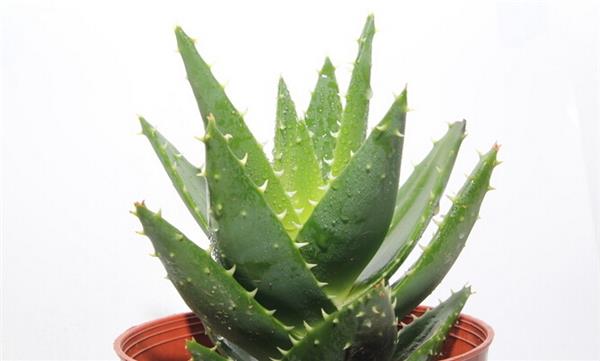
I. Watering potted aloe is related to the season
In spring, when the temperature is between 15-25°C, watering frequency can be appropriately increased, generally once every 5-7 days. Follow the principle of not watering when the soil is not dry, and watering thoroughly when it is dry, so that the potting soil is neither completely dry nor constantly wet.
In summer, the temperature is higher and evaporation is greater, so watering once every 2-3 days is needed. In addition, you can spray water on the aloe leaf surface in the morning and evening every day, which can keep the aloe leaves green and increase their ornamental value. In summer, potted aloe should also be kept away from harsh sun exposure to reduce water loss from the potting soil and the plant.
In autumn, watering aloe is basically similar to spring. Sometimes it is better to water less and replenish only after the potting soil lacks water, rather than keeping the potting soil in a state of excessive water saturation for a long time, which can cause insufficient oxygen and difficulty breathing in the roots of potted aloe and lead to the death of the aloe plant.
In winter, when room temperature is low, watering should be minimized as much as possible, generally once every 15-20 days. If needed, leaf surface spraying can be used to keep the potting soil appropriately dry, which helps the aloe plant overwinter safely.
II. Watering potted aloe is related to water quality
Tap water in the south has a relatively high chloride content, so it is best to water with rainwater or river water. If tap water must be used, prepare a large container, put the tap water into the container in advance, and expose it to the sun for several days to let the chlorides volatilize. This not only raises the water temperature but also reduces the harm of chloride ions in the water. Some aloe enthusiasts use magnetized water to water aloe and have also achieved relatively good results. You can make magnetized water yourself. Use a relatively large magnet, then use a 0.5 cm latex tube, wrap it around the magnet 20 times, and secure the latex tube. Slowly let water in from one end and release magnetized water from the other end, generally at a flow rate of 1000 grams per hour. Magnetized water can release nutrients in the growing medium and increase the plant's physiological activity. Potted aloe enthusiasts can try it.
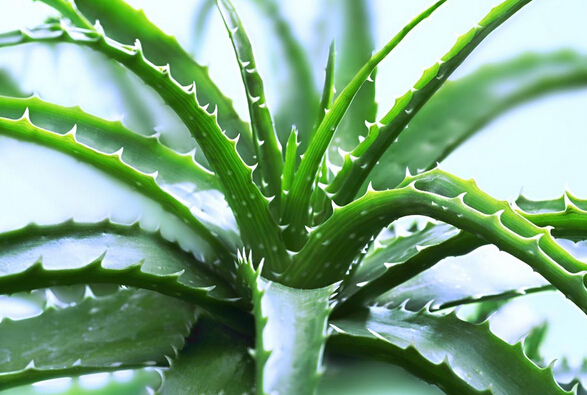
III. Watering potted aloe is related to the potting soil
Aloe potting soil should be kept moist. Too much water is not good for the aloe root system, because aloe is drought-tolerant and afraid of waterlogging. When watering is needed, water gently along the edge of the pot, but do not flush forcefully, so that the potting soil does not easily become compacted and affect its air permeability. When the potting soil becomes compacted, loosen the soil in time to a depth of about 1.5 cm. Apart from summer, when sufficient watering is needed and the leaf surface should be sprayed frequently, watering should be controlled in other seasons; otherwise, water accumulation in the potting soil can easily cause stem and leaf rot. Because its fleshy leaves can store a large amount of water, aloe is very drought-tolerant. Just water again when you see the surface of the soil in the pot become dry. Overwatering or water accumulation in the pot can cause root rot.
April-June and August-September are the best growing periods for aloe. If the soil is too dry, its growth and development will be affected, so during this period it should be watered sufficiently. Generally, water only after the soil has completely dried, and water thoroughly when watering. After this period, watering should be appropriately controlled so that the soil is not too wet. Follow the rule of not watering when not dry, and watering only a little when watering, to avoid root rot. Avoid watering at noon. Watering should be moderate. If there is moist soil 2 cm below the surface, then it does not need watering. When newly planted, the soil should be slightly dry; do not water, and wait half a month before watering. After the seedling recovery period has passed, water thoroughly once every 2-3 days in summer, once every 6-7 days in spring and autumn, and do not water in winter. Aloe leaves are succulent, with a water content as high as 98.5%, and have an astonishing ability to resist drought. If aloe is pulled up by the roots and dried in a ventilated place, even without a water supply, aloe can still use the water in its body for weak life activities and can maintain this for more than half a year. At the same time, if it is replanted in the ground and the water supply is restored, the plant can grow again.
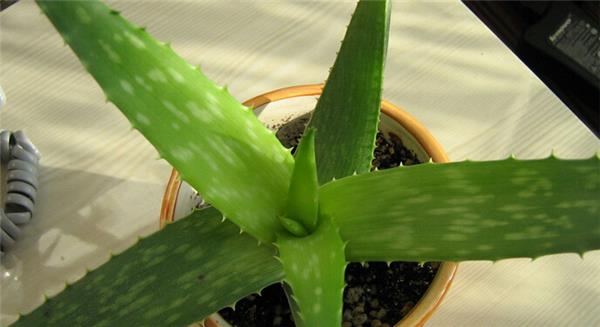
IV. Watering potted aloe is related to the growth stage
Aloe has different water requirements at different growth stages. At the seedling stage, the transpiring leaf area is small, so the water demand is also low, but its root system is weak and distributed relatively shallowly in the soil, so it is very sensitive to changes in moisture. Therefore, keeping the soil moist is very beneficial to seedling growth. At the mature plant stage, aloe's water requirement increases relatively, and its drought tolerance also clearly strengthens.
Aloe dislikes soil water accumulation. If water accumulates for more than 10 hours, it may cause root rot and leaf rot in mild cases, or the death of the entire aloe plant in severe cases. The suitable soil water-holding capacity is 50%-60%.
Aloe should be watered at the right time and in the right amount. Too much water will cause root rot, and brown patches or brown rotting conditions will appear on the leaves. At this point, stop watering and it will slowly recover. If it lacks water, it will be barely alive and the leaves will wither.
The correct watering method is: when watering, it is best not to water from above, but from the side or at the roots. Do not let water fall on the leaves, so as not to damage the leaves due to high water temperature.
Aloe is a self-growing plant centered in South Africa as its place of origin, and it has very strong vitality. Excessive care can instead bring negative effects. So, what are aloe's growth habits and cultivation methods?
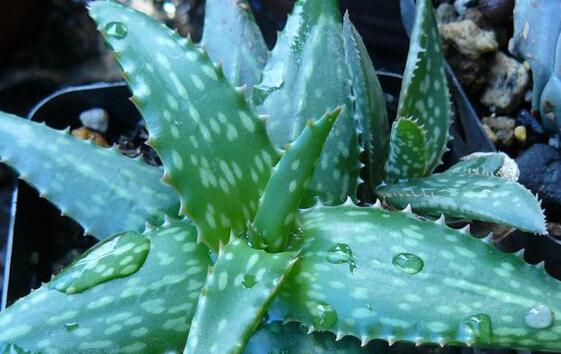
[Growth Habits]
1. Soil: Aloe needs an environment with good water permeability and air permeability, and also with high organic matter content.
2. Light: Aloe likes sunlight and can also tolerate partial shade well, but it dislikes direct sunlight and excessive shading.
3. Temperature: You should know that the most suitable environmental temperature for aloe growth is between 20-30°C, and the nighttime temperature should also be 14-17°C. Once it falls below 10°C, it will basically stop growing, and when it falls below 0°C, the leaf flesh of aloe will be frozen and all withered and dead.
4. Water: Aloe has relatively strong cold resistance. Even if aloe leaves the soil for several months, it will not die. During aloe's growth period, sufficient water is needed. It also cannot tolerate waterlogging.
[Cultivation Methods]
It likes a warm and humid climate, also likes sunlight, and can tolerate drought. It dislikes water accumulation and is afraid of cold. When the temperature drops to 0°C, it will suffer frost damage. It is also not strict about soil requirements. If planted in dry and barren soil, its leaves will be thin and weak, and the color will also be yellow. In contrast, in fertile soil, its leaves are thick and the color is dark green.
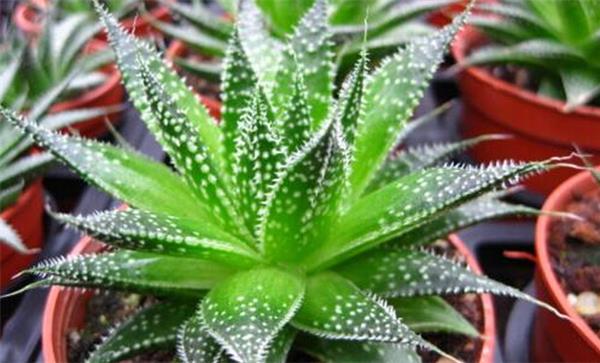
Watering: The potting soil for aloe needs to be kept moist at all times. Too much water is unfavorable for the growth of its root system, because aloe is drought-tolerant and afraid of waterlogging. When it needs watering, simply water gently along the edge of the pot, but do not flush forcefully, so as not to affect the air permeability of the potting soil. When the potting soil becomes compacted, loosen the soil appropriately for it.
Fertilizing: During aloe's growth process, the nutrients in the potting soil alone are not enough. Appropriate fertilizing is also needed to well meet its growth needs during the growing period. For fertilizer, it is generally best to choose organic fertilizer, which has good fertilizing effect and is clean and hygienic. For harvesting, it is better to choose plants that have grown for more than a year and a half. The harvested leaves should also be plump and smooth, and the juice should be clear and transparent. Only such aloe has high content of various components, and its utilization effect is also the highest.
The above is the introduction from the editor about related information on how to correctly water aloe. I hope it can help everyone.
Do not let water fall on the leaves, so as not to damage the leaves due to high water temperature.Aloe is a self-growing plant centered in South Africa as its place of origin, and it has very strong vitality. Excessive care can instead bring negative effects. So, what are aloe's growth habits and cultivation methods?
[Growth Habits]
1. Soil: Aloe needs an environment with good water permeability and air permeability, and also with high organic matter content.
2. Light: Aloe likes sunlight and can also tolerate partial shade well, but it dislikes direct sunlight and excessive shading.
3. Temperature: You should know that the most suitable environmental temperature for aloe growth is between 20-30°C, and the nighttime temperature should also be 14-17°C. Once it falls below 10°C, it will basically stop growing, and when it falls below 0°C, the leaf flesh of aloe will be frozen and all withered and dead.
4. Water: Aloe has relatively strong cold resistance. Even if aloe leaves the soil for several months, it will not die. During aloe's growth period, sufficient water is needed. It also cannot tolerate waterlogging.
[Cultivation Methods]
It likes a warm and humid climate, also likes sunlight, and can tolerate drought. It dislikes water accumulation and is afraid of cold. When the temperature drops to 0°C, it will suffer frost damage. It is also not strict about soil requirements. If planted in dry and barren soil, its leaves will be thin and weak, and the color will also be yellow. In contrast, in fertile soil, its leaves are thick and the color is dark green.
Watering: The potting soil for aloe needs to be kept moist at all times. Too much water is unfavorable for the growth of its root system, because aloe is drought-tolerant and afraid of waterlogging. When it needs watering, simply water gently along the edge of the pot, but do not flush forcefully, so as not to affect the air permeability of the potting soil. When the potting soil becomes compacted, loosen the soil appropriately for it.
Fertilizing: During aloe's growth process, the nutrients in the potting soil alone are not enough. Appropriate fertilizing is also needed to well meet its growth needs during the growing period. For fertilizer, it is generally best to choose organic fertilizer, which has good fertilizing effect and is clean and hygienic. For harvesting, it is better to choose plants that have grown for more than a year and a half. The harvested leaves should also be plump and smooth, and the juice should be clear and transparent. Only such aloe has high content of various components, and its utilization effect is also the highest.
The above is the introduction from the editor about related information on how to correctly water aloe. I hope it can help everyone.