Is Poinsettia Poisonous? An Introduction to the Uses of Poinsettia
Poinsettia, a deciduous upright shrub that can grow up to two meters tall, is native to Central America and is widely cultivated in tropical and subtropical regions. In modern times it is commonly seen in parks and greenhouses for ornamental viewing. The poinsettia's flowering period falls right during Christmas and New Year, making it extremely suitable for a festive holiday atmosphere. So do you know whether poinsettia is poisonous? Let us find out together.
Is Poinsettia Poisonous?
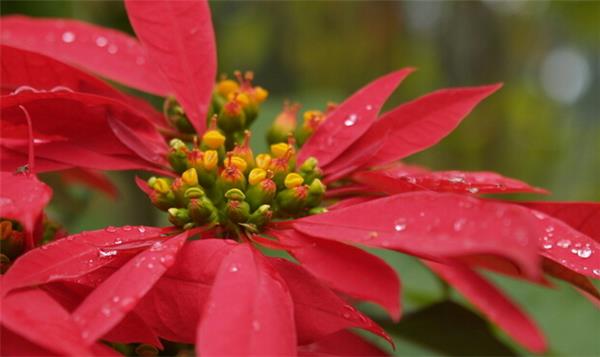
Regarding whether poinsettia is poisonous, there are two scientific viewpoints. Some experts believe the entire poinsettia plant is toxic: the white milky sap in its stems contains a variety of toxic alkaloids that irritate the skin. If the skin comes into contact with it, it can easily cause allergic symptoms such as redness, swelling, heat, intense itching and localized papules. If the stems and leaves are eaten by mistake, mild cases cause gastrointestinal reactions and nervous disorders, while severe cases can very easily lead to death by poisoning.
Other experts believe the claim of toxicity has no scientific basis. They once conducted a dedicated study on the toxicity of poinsettia and found that after white mice ate an extremely large dose of poinsettia leaves, their diet and daily behavior showed absolutely no abnormality, and there were no symptoms of death or poisoning at all. Other research has shown that a child weighing 50 jin who ingests 500-600 poinsettia leaves would not experience poisoning at all. In addition, according to a survey by the American Medical Association, no cases of death by poisoning after ingesting poinsettia have been found.
Poinsettia is a foliage plant that we rather like. The red leaves at the top set off against the other emerald-green leaves, making it look very distinctive, and its ornamental value is relatively high. Let us now look at what poinsettia is used for.
The Uses of Poinsettia:
The Uses of Poinsettia: 1. Ornamental
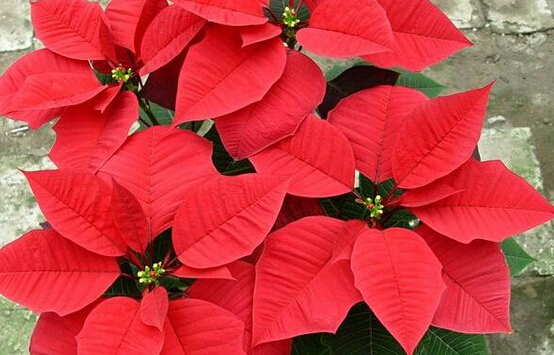
Poinsettia has graceful branches and leaves, brightly colored flowers and a long flowering period. It blooms right during Christmas, New Year and Spring Festival, and its brilliant red color adds to the festive atmosphere. During the holidays, arranging poinsettias in patterns for ornamental display produces a very good effect.
The Uses of Poinsettia: 2. Home Decoration
With the development of high-rise buildings in cities, people spend most of their time active indoors. In addition to arranging beautiful furniture and some furnishings in the family home, if potted flowers, bonsai and flower arrangements can be used as indoor decoration, it will have even more distinctive flavor. It not only brings a rich sense of life to the room, but also makes people feel pleased and comfortable, in a good mood. The poinsettia's unique and delicately beautiful red bracts are eye-catching and alluring; when decorating a windowsill, balcony or study, they spread red and display green, charming and lovely.
The Uses of Poinsettia: 3. Feng Shui
Poinsettia has gorgeous flower colors, and because it blooms right during New Year and Spring Festival, it carries the beautiful meaning of universal celebration and jointly wishing for new life. At this time, using it to decorate places such as the home living room can, in feng shui terms, very easily bring good luck to the family.
The Uses of Poinsettia: 4. Medicinal Use
Poinsettia is cool in nature and bitter and astringent in taste, and has the functions of regulating menstruation and stopping bleeding, invigorating blood and transforming phlegm, and setting bones and reducing swelling. It mainly treats excessive menstruation, wind-cold cough, bruises and injuries, external bleeding, fractures, and swelling and pain from falls. An appropriate amount of poinsettia can be selected to treat functional uterine bleeding, and it also has a certain curative effect on swelling and pain from falls; an appropriate amount of fresh poinsettia leaves can be taken and mashed for external application.
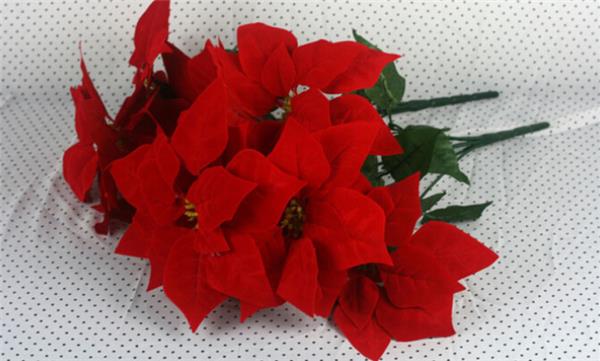
Poinsettia has graceful plants and gorgeous flower colors. Arranged in the home, it is a very eye-catching scenery, filling the home with a festive atmosphere, keeping the family happy at all times, and bringing good luck to the family.
Poinsettia is also known as Ivory Red, Old-Age Beauty, Gorilla Wood and so on. It is a type of plant in the order Malpighiales, family Euphorbiaceae, and is a certain color-changing foliage plant native to Central Africa. Its flowers are very small and not easily noticed; what draws people's attention are the leaves at the top of the plant, which after winter turns become a dazzling red, exceptionally gorgeous. The flowering period can last from December to February of the following year, and when it blooms it is right during Christmas, New Year and Spring Festival, which is why it also has other names: Christmas Red and Christmas Flower. So what are the common varieties of poinsettia?
The main cultivated varieties of poinsettia are:
1. Eckes White, bracts milky white.
2. Rosea, bracts pink.
3. Lutea, bracts pale yellow.
4. Annette Hegg, bracts deep red.
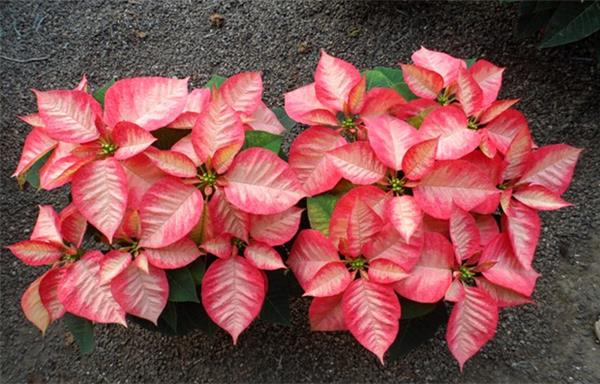
5. Triploid poinsettia (Eckespointc-1), bracts oak-leaf shaped, bright red.
6. Double poinsettia (Plenissima), leaves grayish green, bracts red, double.
7. Henrietta Ecke, bracts bright red, double; outer bracts flat and spreading, inner bracts upright, very beautiful.
8. Spherical poinsettia (Plenissima Eckes Flaming Sphere), bracts blood red, double, bracts curling up and down into a spherical shape, slow growing.
9. Variegated poinsettia (Variegata), leaves pale grayish green with white markings, bracts bright red.
10. Mrs. Paul Ecke, leaves broad, oak-leaf shaped, bracts blood red.
11. Festival Red, dwarf, bracts large, bright red.
12. Petoy Red, bracts broad, deep red.
13. Success Red, leaves oak-shaped, bracts red.
14. Orange Red Lilo, bracts large, orange-red.
15. Pearl, bracts yellowish white.
16. Pichacho, a dwarf variety, leaves dark green, bracts deep red, no hormone treatment required.
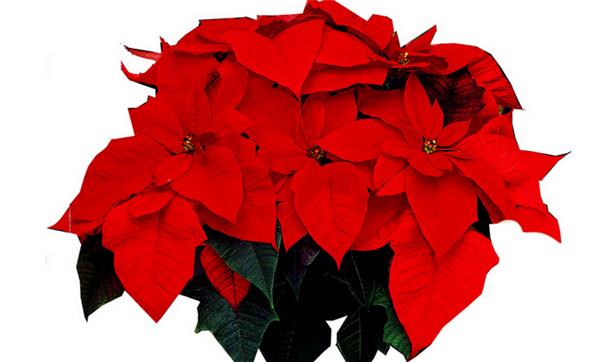
There is no doubt that poinsettia is very beautiful, but what pleases your eye is not its flowers, but its bracts. Poinsettia is an evergreen shrub; its young branches are green, and its old branches are dark brown. The leaves at the top near the flower cluster take the form of bracts, and when flowering the plant is red, which is the main ornamental part. Placing a pot of poinsettia at home and quietly accompanying it as it grows, it first gives you a stretch of vibrant green, yet in the most desolate, cold season it repays you with a mass of fiery warmth. During the festive Christmas and New Year, it shares with you those happy, blissful moments. This is undoubtedly a very wonderful thing.
The above is the introduction to relevant information about whether poinsettia is poisonous that I have provided for everyone; I hope it can help you.
Very beautiful.8. Spherical poinsettia (Plenissima Eckes Flaming Sphere), bracts blood red, double, bracts curling up and down into a spherical shape, slow growing.
9. Variegated poinsettia (Variegata), leaves pale grayish green with white markings, bracts bright red.
10. Mrs. Paul Ecke, leaves broad, oak-leaf shaped, bracts blood red.
11. Festival Red, dwarf, bracts large, bright red.
12. Petoy Red, bracts broad, deep red.
13. Success Red, leaves oak-shaped, bracts red.
14. Orange Red Lilo, bracts large, orange-red.
15. Pearl, bracts yellowish white.
16. Pichacho, a dwarf variety, leaves dark green, bracts deep red, no hormone treatment required.
There is no doubt that poinsettia is very beautiful, but what pleases your eye is not its flowers, but its bracts. Poinsettia is an evergreen shrub; its young branches are green, and its old branches are dark brown. The leaves at the top near the flower cluster take the form of bracts, and when flowering the plant is red, which is the main ornamental part. Placing a pot of poinsettia at home and quietly accompanying it as it grows, it first gives you a stretch of vibrant green, yet in the most desolate, cold season it repays you with a mass of fiery warmth. During the festive Christmas and New Year, it shares with you those happy, blissful moments. This is undoubtedly a very wonderful thing.
The above is the introduction to relevant information about whether poinsettia is poisonous that I have provided for everyone; I hope it can help you.