Is Pothos Toxic? An Introduction to the Benefits of Pothos
Pothos, also known as golden pothos, originated in tropical rainforest regions and is an evergreen climbing plant of the Araceae family. It has strong twining ability and well-developed aerial roots. It can be allowed to climb on a column wrapped with palm fiber and placed in an entrance hall or hotel, or trained into a trailing form and placed in a study or on a windowsill. It is a flowering plant quite suitable for indoor placement. So, is pothos toxic?
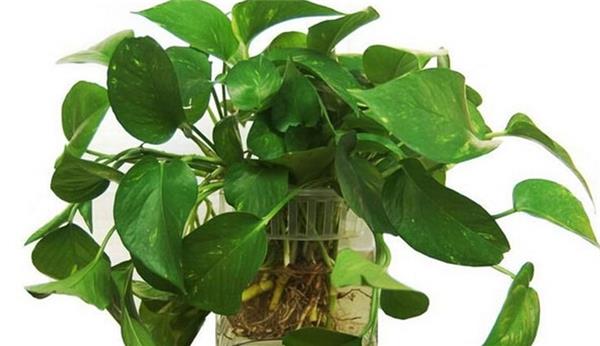
Yes, it is toxic.
The sap of pothos is mildly toxic, but as long as it is not eaten, it has no effect on the body. Many people now know that dumb cane (Dieffenbachia) is toxic. In fact, pothos, like dumb cane, belongs to the Araceae family, and its toxic part is mainly in its sap. The sap is toxic; touching the skin can cause redness and itching, and accidental ingestion can also cause throat pain.
It is a fact that pothos is toxic, but keeping pothos at home is still no problem, because as long as you do not eat the sap of pothos, it will not cause poisoning. Although the sap of pothos is toxic, it is only mildly toxic. During cultivation, even if you touch the leaves of pothos, as long as you do not directly eat them, it will not affect your body. In addition, many people now grow pothos hydroponically. If you touch the water used for growing it, as long as you do not drink it, there is generally no harm.
Of course, accidental ingestion is one aspect, and contact is also an issue that needs attention in cultivation. As a plant with mildly toxic sap, accidental ingestion may cause allergic reactions. Therefore, during daily cultivation, everyone should especially be careful not to put it in the mouth, and it is also best not to let food come into contact with pothos. Regarding the effect of pothos sap on the body, experts say that the sap of pothos is toxic. Whether it is an adult or a child, skin contact may cause redness, swelling and itching, and accidental ingestion may also cause throat pain. For toxic plants such as pothos, the toxins mainly come from the sap in the plant stems. Even if they are grown at home or in the office, as long as you do not directly touch the sap with your hands, it will not cause poisoning.
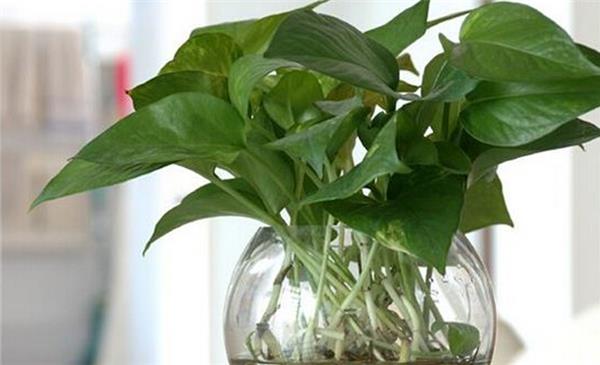
Pothos is not complicated. Besides bringing beauty to our environment, pothos silently absorbs formaldehyde and other harmful substances for us. In the pothos pictures, let us show you the charm of pothos.
Pothos, an evergreen climbing plant, is a twining-type growing plant, and it can generally be seen on tree trunks, rocks and other places. This is because after it becomes a mature plant, as long as nutrients are sufficient, its vines are wide in diameter and long in length. It belongs to the Araceae family. Because it appears in the dense forests of many movies, it is also called devil's ivy, but in the West some people also call it golden vine. In ordinary households, many people like to grow pothos, and hydroponic cultivation is the most common method. Mature pothos has luxuriant branches and leaves, likes shade, and has relatively good cold tolerance. It is evergreen all year round, so many people like to grow it. So, what are the benefits of pothos?
1. Ornamental value
Besides being an excellent indoor decoration, pothos is also an expert at purifying the environment. In life we can always see pothos everywhere, whether at home or in the office. The flower language of pothos is watching over happiness, so let us together watch over hope and remain happy forever.
2. Environmental protection
The environmental protection mentioned here does not simply refer to its green color. The benefits of pothos are very powerful. It can absorb organic gases in the home, and formaldehyde and benzene are no problem for it. It is cheap and very convenient to grow, making it one of the green plants commonly kept at home.
3. Medicinal use
As a medicine specifically used for bruises and injuries, pothos can promote blood circulation and dissipate blood stasis, and it can be used externally or decocted in water.
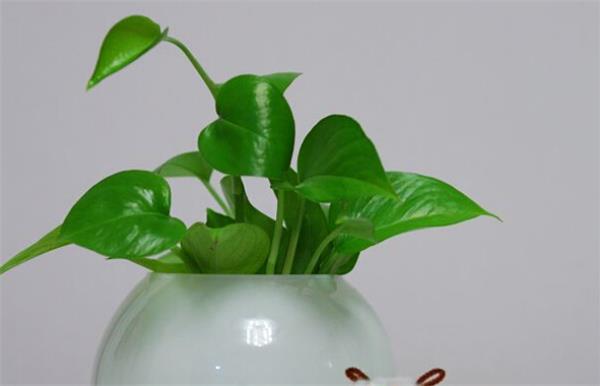
The pothos pictures show us its charm. Its green leaves not only bring sunshine into our lives, but also make the air at home fresher. If you do not live in a great forest, then place a few pothos plants at home to enjoy the happiness of nature.
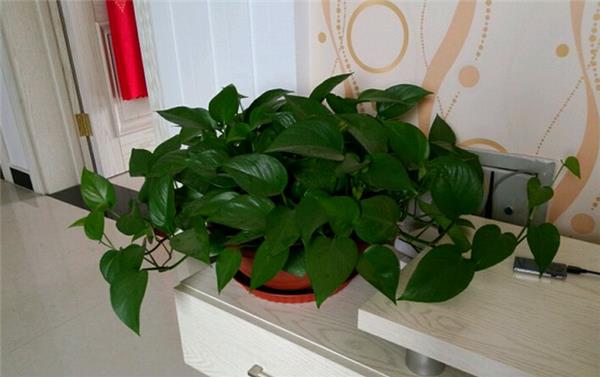
Pothos is a very common indoor plant. It can be placed in a study, living room or office, not only beautifying the environment but also bringing a pleasant mood. But how can you grow pothos well?
1. Water more. Pothos likes moisture, so it should be watered more to keep the potting soil moist. In summer, not only should you water more, but you should also frequently spray water on the leaves. However, the specific amount of water to use should be determined according to the amount of potting soil and the size of the plant.
2. It cannot be exposed to strong sunlight. Pothos grows in forests shaded by towering trees, so its sun-loving tendency is not strong. It cannot be exposed to the sun, otherwise new leaves will become smaller, the leaf color will become dull, and the leaf edges will easily be scorched. But it also needs moderate exposure to sunlight for photosynthesis.
3. Keep it at an appropriate temperature. If the temperature is too low, pothos may suffer frost damage. A room temperature of about 20 degrees is recommended, and care should also be taken not to let the leaves get close to heating equipment. As long as the temperature is not lower than 10 degrees, pothos can safely overwinter.
4. Fertilizing. Because it is grown indoors, the plant itself can hardly access nutrients. It is recommended to apply fertilizer once every half month. You can buy fertilizer specially made for pothos on the market. Or ask the florist to help choose fertilizer.
5. Maintain air humidity. Pothos grows faster in environments with higher air humidity. It is recommended to maintain indoor humidity, and a humidifier can be used to increase air humidity.
Notes:
1. Choose fertile, loose, well-drained leaf mold soil, preferably slightly acidic.
2. In dim indoor areas, a certain amount of sunlight should occasionally be provided.
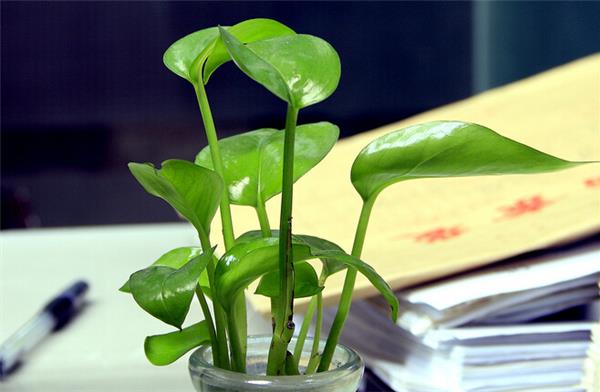
Pothos is a relatively common plant with a strong ability to purify air, but it should be noted that although it is not highly toxic, it should not be consumed, because some people with allergic constitutions may also have allergic reactions to its sap. Pothos is called a natural purifier, so it can be placed next to a computer to absorb radiation, and it can also be placed in a new house to absorb harmful substances. We hope that the above introduction can help everyone.
3. Keep it at an appropriate temperature. If the temperature is too low, pothos may suffer frost damage. A room temperature of about 20 degrees is recommended, and care should also be taken not to let the leaves get close to heating equipment. As long as the temperature is not lower than 10 degrees, pothos can safely overwinter.
4. Fertilizing. Because it is grown indoors, the plant itself can hardly access nutrients. It is recommended to apply fertilizer once every half month. You can buy fertilizer specially made for pothos on the market. Or ask the florist to help choose fertilizer.
5. Maintain air humidity. Pothos grows faster in environments with higher air humidity. It is recommended to maintain indoor humidity, and a humidifier can be used to increase air humidity.
Notes:
1. Choose fertile, loose, well-drained leaf mold soil, preferably slightly acidic.
2. In dim indoor areas, a certain amount of sunlight should occasionally be provided.
Pothos is a relatively common plant with a strong ability to purify air, but it should be noted that although it is not highly toxic, it should not be consumed, because some people with allergic constitutions may also have allergic reactions to its sap. Pothos is called a natural purifier, so it can be placed next to a computer to absorb radiation, and it can also be placed in a new house to absorb harmful substances. We hope that the above introduction can help everyone.