Complete Guide to Growing and Propagating Hibiscus
Hibiscus, commonly known as the red hibiscus, is usually planted in courtyards and can occasionally be seen along roadsides. The hibiscus blooms all year round and is very beautiful. So, what are the methods for growing hibiscus?
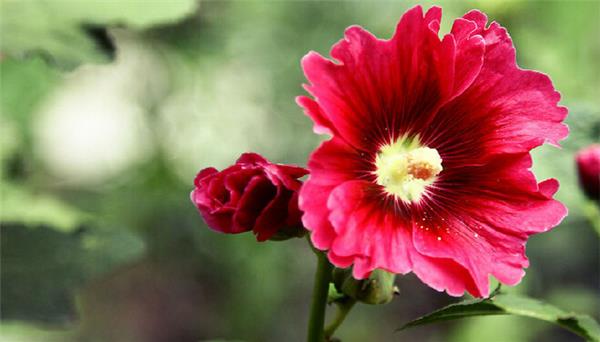
Six Key Techniques for Growing Hibiscus
Hibiscus is an evergreen large shrub of the Malvaceae family, also known as zhujin, red hibiscus, zhujin peony, sorcerer's flower, and so on. It is usually rose-red, blooms throughout the year, and is most abundant in summer and autumn. Many people plant hibiscus in their courtyards. When it comes to growing hibiscus, pay attention to the following points:
Hibiscus growing methods: 1. Soil
It can adapt to various soils, but fertile, loose, slightly acidic soil is best.
Hibiscus growing methods: 2. Temperature
The suitable growth temperature for hibiscus is 15-25°C, and from October to March of the following year it is 13-18°C. In winter, the temperature must not be lower than 5°C, otherwise the leaves will turn yellow and fall off. Below 0°C it is prone to frost damage, but it can still grow normally at high temperatures above 30°C.
Hibiscus growing methods: 3. Sunlight
Hibiscus is a strongly sun-loving plant. During the growing period, it needs sufficient light to grow and bloom normally. If light is insufficient, buds are prone to dropping, flowers are small, and flower color is dull; but when sunlight is too intense, the plant can suffer scorching, so appropriate shading protection should be provided.
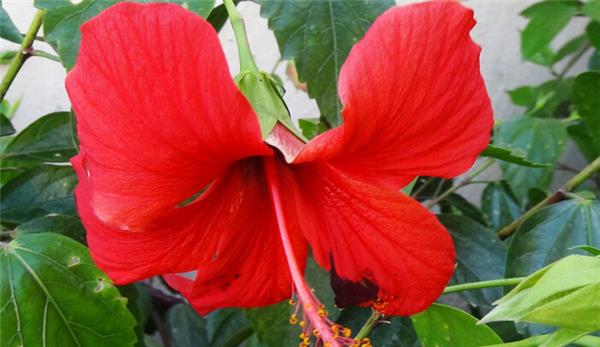
Hibiscus growing methods: 4. Water
During the growing period, keep the potting soil moist, and the stems and leaves will grow rapidly. If water supply is insufficient, the leaves are prone to wilting, yellowing, and falling off. Usually, watering should depend on whether the soil is dry or wet, and both excessive dryness and excessive wetness should be avoided. In midsummer, water in the morning and evening; in spring and autumn, water in the afternoon; in winter, because the temperature is low, watering must be strictly controlled, otherwise the plant is prone to frost damage. In addition, during the growing period, spray water frequently.
Hibiscus growing methods: 5. Fertilizer
After spring, hibiscus enters its peak growing season. To make the flowers abundant and large, fertilization should be strengthened, applying a dilute liquid fertilizer mainly based on phosphorus and potassium once a week. Avoid applying strong fertilizer during the flowering period, and do not fertilize during the dormant period.
Hibiscus growing methods: 6. Pest treatment
Hibiscus is a plant that often suffers from pests. The main pests are aphids, scale insects, cottony cushion scale, and mites (commonly known as red spiders). These pests are all piercing-sucking pests. They can be killed by spraying the leaves with pesticides such as yamansha, yamanjing, and Manchongqing diluted to a certain ratio, once a week; generally 2-3 times can basically wipe them out. Scale insects and cottony cushion scale can damage leaves and the epidermis. Generally, imidacloprid-type drugs or their improved formulations can be diluted to a certain ratio and sprayed on the affected parts to kill them. In severe cases, apply once every 10 days, and 3 times can basically wipe them out.
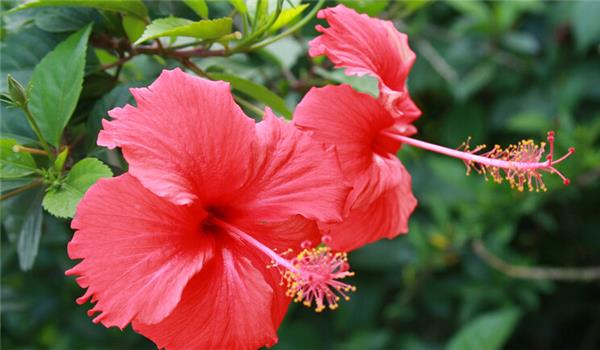
Commonly propagated by cuttings and grafting. Cuttings can be taken in any season except winter, but the survival rate is highest during the plum rain season. The best cuttings are one-year-old semi-lignified ones, 10 cm long, with the top leaves retained and a flat cut. Insert them into a sand bed, and they will root about 3 weeks after insertion.
1. Cutting propagation: carried out from May to October, with the highest survival rate during the plum rain season. In winter, carry it out in a greenhouse. The best cuttings are current-year semi-lignified branches, 10 cm long. Remove the lower leaves, keep the top leaves, make a flat cut, and insert into a sand bed. Maintain relatively high air humidity and a room temperature of 18-21°C. They will root 20-25 days after insertion. Treating the base of the cuttings with 0.3%-0.4% indolebutyric acid for 1-2 seconds can shorten the rooting period. When the roots are 3-4 cm long, transplant them into pots.
2. Grafting propagation: carried out in spring and autumn. It is mostly used for hibiscus varieties that are difficult to root by cuttings or root slowly, especially double-petaled varieties with a low cutting survival rate. Use branch grafting or bud grafting, with single-petaled hibiscus as the rootstock. Grafted seedlings sprout branches and bloom in the same year.
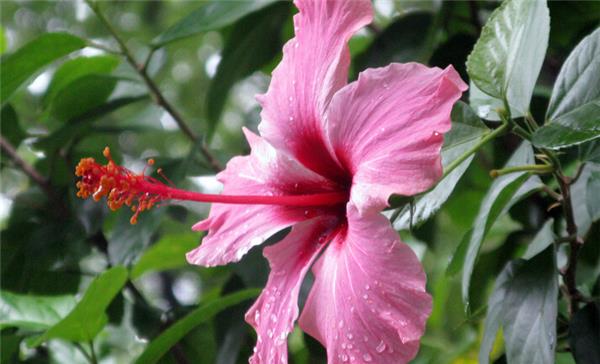
Hibiscus is a very common plant. It generally blooms most in summer, and from a distance it looks like a fiery red patch, full of vitality. Many people plant it in courtyards or on balconies and other places. For growing methods, just remember the techniques taught here, and you will definitely be able to grow healthy hibiscus.