What are the benefits of the cast iron plant? Learn how to grow a healthy cast iron plant
The cast iron plant is not uncommon among home greenery plants. Some people choose to display it on its own, while others place it together with other flowers, yet the cast iron plant's unique charm is by no means overshadowed. So, what are the benefits of the cast iron plant?
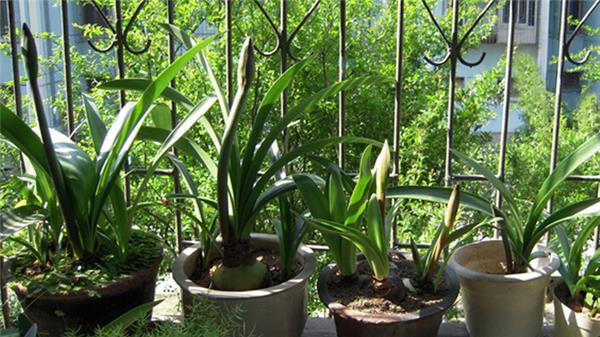
Benefit of the cast iron plant: 1. Ornamental value
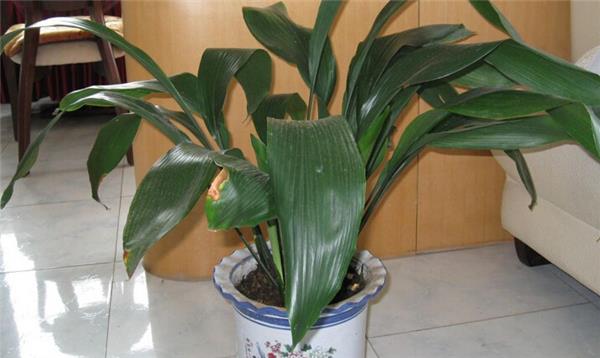
The cast iron plant has upright, neat leaves with a deep green, glossy color and a graceful, elegant yet understated bearing. At the same time, it grows vigorously, is highly adaptable and extremely shade-tolerant, making it an excellent shade-loving foliage plant for indoor greenery decoration, suitable for placement in homes and offices. It can be enjoyed on its own or arranged together with other flowering plants to set off the brightness and beauty of those flowers. In addition, it is also an excellent foliage material for modern flower arranging.
Benefit of the cast iron plant: 2. Freshening the air
All plants have a certain air-freshening effect. The cast iron plant can absorb formaldehyde, also has a certain absorption effect on carbon dioxide and hydrogen fluoride, and can adsorb a certain amount of dust. Moreover, the cast iron plant is shade-tolerant, highly adaptable and not prone to pests and diseases, making it a very good plant for home greenery and air purification.
Benefit of the cast iron plant: 3. Traditional Chinese medicine value
In traditional Chinese medicine, the rhizome of the cast iron plant is generally used as medicine. It can be harvested in all four seasons, and can be used either dried or fresh. It has the effects of invigorating blood and dispersing stasis, and tonifying deficiency and relieving cough. It is generally used for traumatic injuries, rheumatic muscle and bone pain, waist pain, cough due to lung deficiency, hemoptysis, and so on.
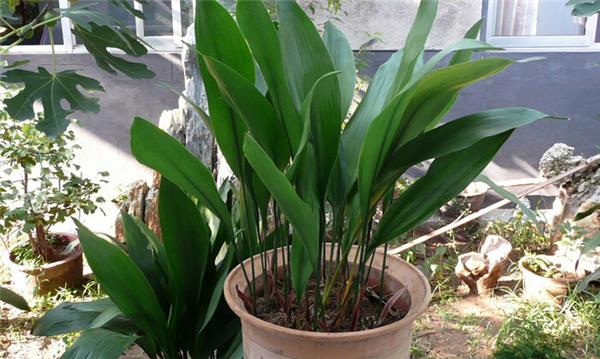
The cast iron plant (scientific name: Aspidistra elatior Blume), whose fruit closely resembles a spider's egg, is also known as spider-egg plant, ruo lan, and bao mi lan. It likes warm, humid, semi-shaded environments, is relatively cold-tolerant and extremely shade-tolerant, and its optimum growth temperature is 10-25°C. It is an ideal indoor greenery plant. So, what are the cultivation methods for the cast iron plant?
1. Soil
The cast iron plant is not strict about soil and tolerates poor soil, but loose, fertile, slightly acidic sandy loam is best. For pot cultivation, an equal mix of leaf mold, peat soil and garden soil can be used as the growing medium.
2. Water
During the growing season, water thoroughly to keep the potting soil constantly moist, and frequently spray water on the leaves to increase humidity, so as to promote budding and the growth of new leaves. After late autumn, the amount of watering can be appropriately reduced.
3. Light
It can be grown year-round in a bright room, but whether indoors or outdoors, it must not be placed in direct sunlight; even a short period of strong sun exposure can cause leaf scorch and reduce its ornamental value. The cast iron plant is extremely shade-tolerant, and can even remain ornamental for several months in a dark room, but long-term excessive darkness is not conducive to the germination and growth of new leaves. So if it is placed in a dark room, it is best to move it every so often to a place with bright light for a period of care, to benefit its growth and appearance. Especially during the period from new leaf germination to the new leaves reaching maturity, it must not be placed in too dark a spot.
4. Temperature
It likes warm, humid, semi-shaded environments, is relatively cold-tolerant and extremely shade-tolerant. Its optimum growth temperature is 10-25°C, while the temperature range in which it can grow is 7-30°C, and its overwintering temperature is 0-3°C.
5. Fertilizer
If the air is too dry, it can easily cause scorching of the leaf margins and leaf tips. A thin liquid fertilizer can be applied 1-2 times a month to promote the germination of new leaves and healthy growth, and to keep the leaves fresh and bright. Variegated varieties should be given light fertilizer; if the fertilizer is too rich, the spots on the leaves tend to disappear.
6. Pests
Pest and disease control: when the cast iron plant grows in a poorly ventilated environment, it is highly prone to scale insects, which in severe cases can cover both the front and back of the leaves. A common control method is to cut off and destroy all infested leaves in early spring when new leaves begin to sprout; once the new leaves grow out and unfold, the problem can be completely eliminated. Alternatively, 3^ carbofuran granules 15?208 can be buried in the soil of each pot, or during the nymph stage, a 40% dimethoate 1000?1500 times solution can be sprayed to kill them, with a repeat spray needed after one week.
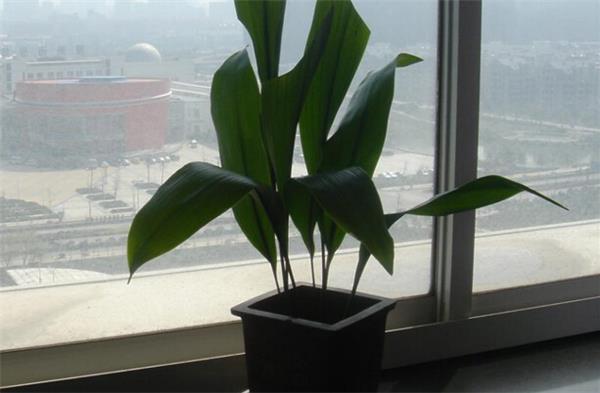
The cast iron plant has deep green, glossy leaves and a graceful posture. It can be enjoyed on its own or combined with other flowers, and is one of the most ideal indoor green plants for today's homes. That is all for the cultivation methods of the cast iron plant, and I hope it is helpful for everyone in choosing and growing the cast iron plant for their home greenery.