A Detailed Guide to Orchid Planting Methods and Daily Care Tips
Orchids are among the most beautiful flowers in the entire plant kingdom, with more than 30,000 species and over 200,000 hybrid varieties. Let's take a look together at the methods for planting and daily care of orchids.
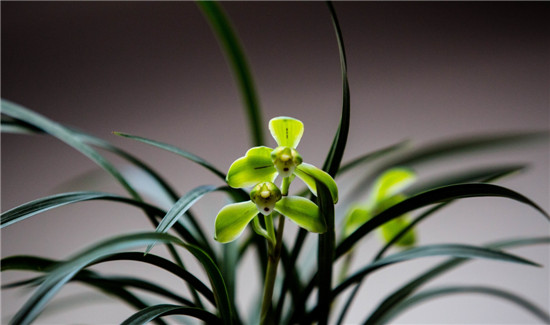
After selection, all orchids must be potted. Orchids have fleshy roots, so the pot's drainage must be excellent. You should use leaf mold or mountain soil rich in humus (commonly known as "orchid mud" - for home growing you can buy it at a flower shop), with a pH of 5.5-6.5 being suitable. This orchid mud can also be obtained by digging leaf mold from sandstone and igneous rock layers in the mountains, or you can mix your own acidic potting soil. Soil brought down from the mountains must first be sifted to remove grass roots, stones and other impurities; it is best to use soil that has been piled for 1-2 years, and before use it must be sun-dried to sterilize it. Then place it in a cool spot until needed.
Drainage at the bottom of the pot is also very particular: for clay pots, fill with broken tiles; for purple clay pots, you must cover the bottom of the pot with perforated nylon gauze. Before planting, first spread coarse stones in the pot, taking up about 2/5 of the pot's depth, then coarse stone potting soil, 3-5 cm thick, and then place the orchid in. When potting, make sure the roots spread out naturally and do not curl. When planting rare orchid varieties, be sure to place the old growth toward the edge and the new growth in the center, so that when new growth emerges again there is room. When planting, hold the orchid with your left hand, add soil with your right hand, then lift the orchid plant slightly so the roots spread naturally. Then add soil while shaking the pot, so the soil makes close contact with the roots. Then press the soil around the stem firmly with your hand, and finally make the pot surface slightly mound-shaped (that is, slightly lower in the middle and around the edges). Spread a layer of moss or fine stones on top, so the potting soil does not easily compact and water evaporation is reduced. After potting, water immediately. The first watering should be generous. Finally, place the orchid pot in a shady spot. Within one month it should not be exposed to direct sunlight, and watering should be controlled - it should not be too wet. Afterwards, choose a location that gets half shade and half sun, is well ventilated, and receives morning sun.

Daily Care Methods for Orchids
(1) Do not water flowers with hard water or polluted water. Orchids fear waterlogging most, and also fear drought. Water moderately and keep the potting soil moist, ensuring water and fertilizer are in balance. Normally, use fermented rice-washing water for watering, which provides both nutrients and moisture and benefits orchid growth.
Potting soil. Orchids are perennial plants and require soil rich in humus, fertile and loose, with a pH of 5.5 to 6.5. For potting soil, use leaf mold, yellow clay, sawdust, pig and cattle manure and a certain amount of compound fertilizer, composted together, used after thorough decomposition, and sterilized by sun exposure before potting.
(2) Potting soil. Orchids are perennial plants and require soil rich in humus, fertile and loose, with a pH of 5.5 to 6.5. For potting soil, use leaf mold, yellow clay, sawdust, pig and cattle manure and a certain amount of compound fertilizer, composted together, used after thorough decomposition, and sterilized by sun exposure before potting.
(3) On the basis of preparing fertile, high-quality potting soil, carry out scientific topdressing. Watering with soaking liquid from grass and other plant stems and leaves, watermelon rind, fruit peel and bean cake works best. Applying potassium fertilizers such as plant ash is beneficial to orchid growth. With a good balance of the three major elements, orchid seedlings grow robustly, resistance is enhanced, leaves are glossy and flower colors are vivid.
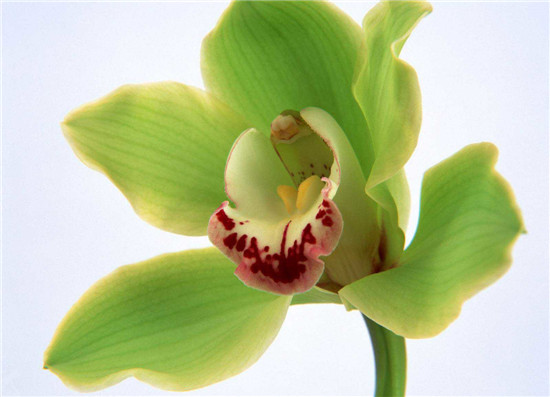
Orchid Planting Steps
Choose an orchid variety. Some orchids are easier to grow than others. Cattleya, Phalaenopsis and Paphiopedilum are among the easiest to grow and can be recommended to most novice gardeners and orchid growers. However, the orchid family is said to have more than 20,000 species, twice the number of existing bird species and four times that of mammals, so no matter who you are, you can always find an orchid that suits you.
Choose soil suitable for your orchid. Some beginners mistakenly think orchids, like other flowers, need potting soil, so they choose potting soil. This is a serious mistake. The roots of most orchids need more air, so loose, porous soil is more suitable, and potting soil cannot provide this.
Unless your orchid is a large plant, choosing a small pot is enough. Many orchids do not mind being root-bound. Choose a small pot and plant your orchid in it, making sure the pot itself has plenty of drainage holes. Remember, the orchid's natural enemy is often overwatering. Some orchids, such as Cymbidium, need deeper pots to allow their root system to grow.
If growing from seed, be patient. Make sure your hands and surroundings are sterile. Sprinkle a few seeds beneath the soil surface in each pot. Add eco-friendly fertilizer if needed. Likewise, use the best soil.
Potting the orchid. Remove the orchid from its previous pot and be sure to cut off dead or rotten roots. If necessary, divide the roots into several sections before planting the orchid in the pot. The most mature section should be planted right against the wall of the pot. Gently add potting soil, just enough to cover the roots.
Know when to repot orchids. The best interval for repotting differs among orchid genera: once a year: Dendrobium, Miltonia, Paphiopedilum and Phalaenopsis (and hybrids); twice a year: Cattleya, Dendrobium, Oncidium, Odontoglossum (and hybrids); once every three years: Vanda, Cymbidium.
The above is the complete content I have summarized for everyone on orchid planting and daily care. I hope this article can help you. Please also continue to follow us.
Sprinkle a few seeds beneath the soil surface in each pot. Add eco-friendly fertilizer if needed. Likewise, use the best soil.Potting the orchid. Remove the orchid from its previous pot and be sure to cut off dead or rotten roots. If necessary, divide the roots into several sections before planting the orchid in the pot. The most mature section should be planted right against the wall of the pot. Gently add potting soil, just enough to cover the roots.
Know when to repot orchids. The best interval for repotting differs among orchid genera: once a year: Dendrobium, Miltonia, Paphiopedilum and Phalaenopsis (and hybrids); twice a year: Cattleya, Dendrobium, Oncidium, Odontoglossum (and hybrids); once every three years: Vanda, Cymbidium.
The above is the complete content I have summarized for everyone on orchid planting and daily care. I hope this article can help you. Please also continue to follow us.