How to Grow Hyacinth in Water: Care Methods and Step-by-Step Guide
Hyacinth is, so to speak, very familiar to everyone; it is a very common perennial flowering plant in our daily life, with rich flower colors - red like fire, purple intoxicating, yellow dazzling, pink charming, white pure - each kind of hyacinth is deeply enchanting. So how should hyacinth be grown in water, and how do you care for hyacinth in water? Let us take a look at hyacinth water culture below.
What Is Hyacinth
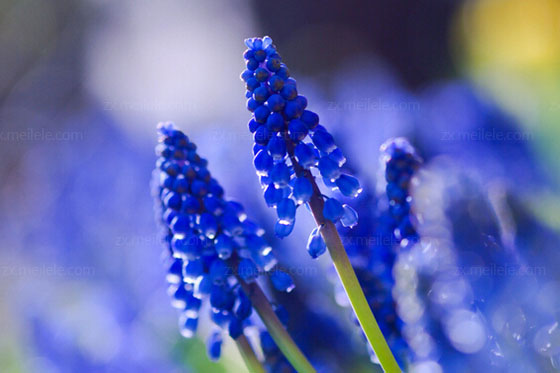
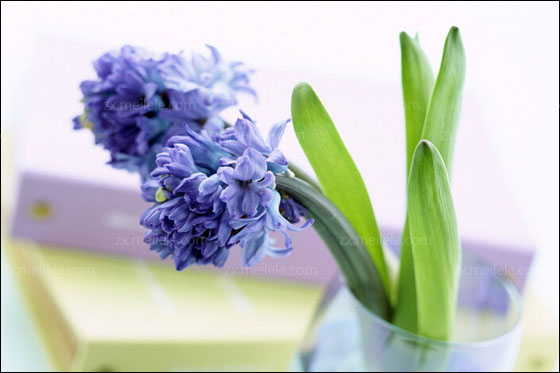
First, let us understand what hyacinth is. Hyacinth is also called "foreign narcissus" or "Western narcissus"; it is a perennial herbaceous bulbous plant and counts as a very common flowering plant in our daily life. This plant originates from the Mediterranean coast and the Asia Minor region, and its varieties are extremely rich; at present, among hyacinth varieties worldwide there are roughly more than 2000 horticultural varieties, and it is widely distributed across the globe. The natural flowering period of hyacinth is the early spring season of March to April each year. When it blooms, the hyacinth flower colors are abundant, mainly in eight color lines including colored, pink, white, goose yellow, purple, yellow, scarlet and red, and when it blooms it is also accompanied by a particularly pleasant fragrance, making it very popular.
How to Grow Hyacinth in Water
1. Preparations Before Water Culture
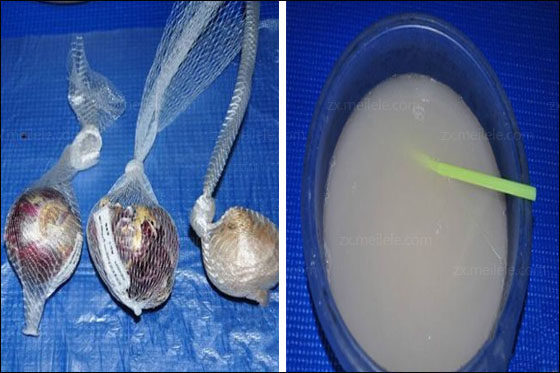
As the saying goes, even a clever housewife cannot cook a meal without rice; no matter what we do, the advance preparations must be made ahead of time. The same is naturally true for growing hyacinth in water. First, everyone should prepare a basin of clean water; note that the basin should not be too large, and the clean water in the basin should not be too much either, otherwise when we later disinfect the bulb, the bulb will be submerged by the deep water. Then take out a bag of carbendazim powder and stir it thoroughly and evenly with the clean water. Next we need to prepare the bulbs to be used for water-culturing hyacinth. There are many flower markets on the market now, and these markets all sell hyacinth bulbs; everyone can choose healthy bulbs. Take out the purchased bulbs and set them aside for later use.
2. Disinfecting the Hyacinth Bulb
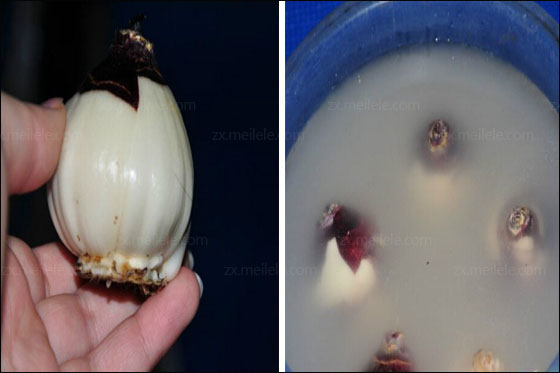
A very important step in water-culturing hyacinth is to disinfect the bulb, so that the hyacinth plant can then grow normally, smoothly and without disease, so this step is very important. First, peel off the outer skin; this method is the same as the way we peel an onion, because the old skin outside the bulb is the extra part, and you can stop once the white plant skin is exposed; everyone can decide freely. Next, the bottom of the bulb must be washed clean; if the bulb bottom is too dirty, it may make the water-culture nutrient solution turbid, which is neither attractive nor healthy. Then disinfect the bulb: put the peeled bulb into the prepared carbendazim solution to soak for about 15 or 20 minutes, then take it out and let it dry for later use.
3. Planting Hyacinth in Water Culture
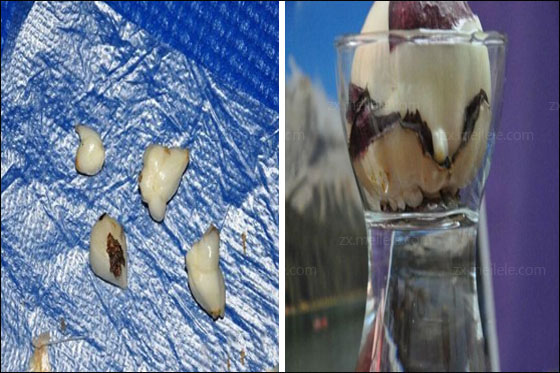
After the bulb has been disinfected, planting can proceed. At this time everyone may notice that there are many side buds on the hyacinth bulb; these side buds can be removed or left, but beginners are best off removing them all, as this way the chance of the bulb flowering will be greater. Then take out the water-culture vase and place the bulb in the water-culture basket on top of the vase; note that the size must fit just right. Next, add an appropriate amount of clean water and water-culture nutrient solution. Everyone must control this water amount well; during water culture the water should not submerge the bulb body, and it is best if the water surface just touches the bottom of the bulb. Water culture does not require frequent water changes; when the water level drops, you can appropriately add water.
Conclusion: Generally speaking, water-culturing hyacinth is actually quite simple, and everyone can learn it just by taking a look, but when handling it everyone had better be a bit careful, so that the later hyacinth growing process will go more smoothly.
Conclusion: Generally speaking, water-culturing hyacinth is actually quite simple, and everyone can learn it just by taking a look, but when handling it everyone had better be a bit careful, so that the later hyacinth growing process will go more smoothly.