What are the benefits and effects of rose tea?
There are now more than a hundred varieties of roses. In fact, most roses are new varieties developed and bred from several common roses. Next, let us take a look at the benefits and effects of roses.
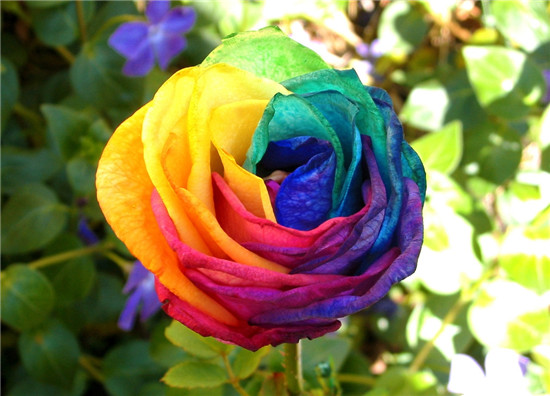
Many people enjoy drinking rose tea, but not that many may understand the benefits of drinking it. As a tea, rose tea has good health-promoting properties and can also deliver notable beauty and skincare effects! Rose tea is mild in nature and reduces internal heat. It can regulate blood and qi, promote blood circulation, and beautify the skin. It also relieves fatigue, helps wounds heal, and protects the functions of the liver and gastrointestinal tract. Long-term drinking also helps promote metabolism.
This is because roses have a strong effect on moving qi and activating blood, dissolving stasis, and harmonizing the organs. What we usually call a poor complexion, spots on the face, menstrual irregularity, and dysmenorrhea are all related to abnormal movement of qi and blood, with stasis stagnating in the uterus or face. Once the movement of qi and blood returns to normal, the complexion will naturally become rosy and the body healthy.
To achieve this effect, the specific method is: every day, persist in taking 15 grams of roses and steeping them in water to drink. Those with qi deficiency may add 3 to 5 jujubes, or 9 grams of American ginseng; those with kidney deficiency may add 15 grams of goji berries.
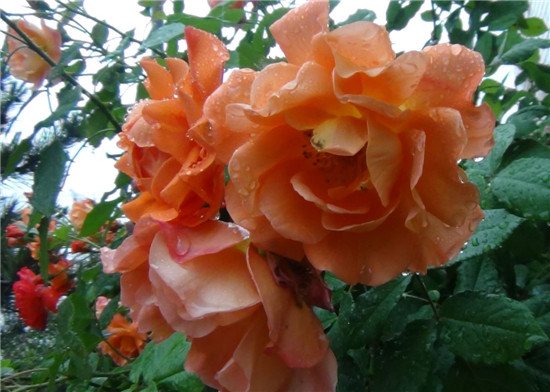
When steeping roses, you can add rock sugar or honey according to personal taste to reduce the astringent flavor of the roses and enhance the effect.
It should be noted that roses are best not steeped together with tea leaves. This is because tea leaves contain a large amount of tannic acid, which affects the rose's effect of soothing the liver and relieving depression. In addition, because roses have a relatively strong effect on activating blood and dispersing stasis, people with heavy menstrual flow had best not drink it during their period.
Traditional Chinese medicine holds that roses are sweet with a slight bitterness and warm in nature, and their most obvious effects are regulating qi and relieving depression, activating blood and dispersing stasis, and regulating menstruation and relieving pain. In addition, the medicinal nature of roses is very mild. They can warmly nourish the heart, liver, and blood vessels, release stagnant qi in the body, and have calming, soothing, and antidepressant effects. Women often feel somewhat emotionally irritable before or during menstruation, and drinking some rose tea can help regulate this. In today's world of increasing pressure from work and life, even if it is not during menstruation, you can drink more rose tea to soothe and stabilize your mood.
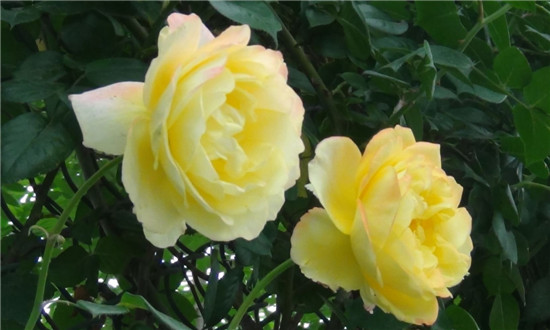
Benefits and Effects of Rose Tea
Beautifying the skin
Drinking rose tea regularly can beautify the skin and keep you youthful. Traditional Chinese medicine holds that whether the complexion is rosy is closely related to the body's qi and blood, and rose tea has the effects of moving qi and activating blood and harmonizing the organs. Regular drinking can not only gradually restore a dull complexion to rosiness, but also noticeably improve some facial pigmentation.
Therefore, friends with a dull complexion or troubled by pigmentation can take 15 grams of roses each day during their period and drink it as tea. Do not casually throw away the steeped roses; they can be mashed into a paste and applied to the face before bed, then washed off with warm water after drying. Long-term persistence can moisturize the skin, promote blood circulation, eliminate pigmentation, and improve skin tone.
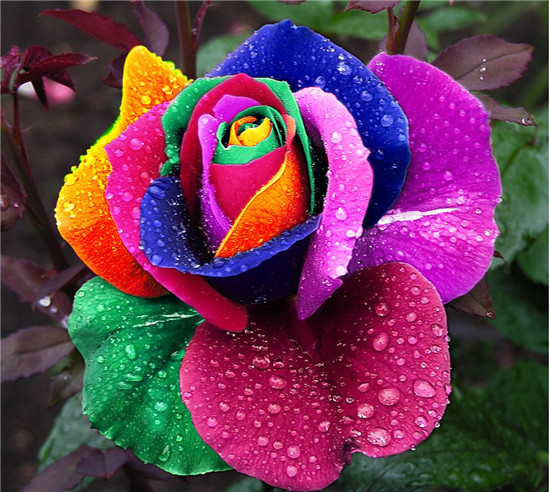
Relieving depression
Traditional Chinese medicine holds that roses are mild in medicinal nature and can regulate qi and activate blood, soothe the liver, and relieve depression, with calming, soothing, and antidepressant effects. Women often feel somewhat emotionally irritable before or during menstruation, and drinking some rose tea can help regulate this. In today's world of increasing pressure from work and life, even if it is not during menstruation, you can drink more rose tea to soothe and stabilize your mood.
Regulating menstruation and relieving pain
Rose tea has the effects of activating blood and dispersing stasis, and regulating menstruation and relieving pain. For friends with relatively severe dysmenorrhea, in addition to drinking rose tea, when the pain occurs you can also use 200 grams of fresh roses, decoct them into a soup, concentrate it into a thin paste, spread it on four layers of gauze, and while warm apply it to the navel area, fix it with adhesive tape, and change the dressing once a day. Because roses activate blood and disperse stasis, friends with heavy menstrual flow had best not drink rose tea during their period.
The above is the full content of my summary of the benefits and effects of rose tea. I hope this article can help everyone. Please also continue to follow us.