What are the characteristics of roses? Here is a detailed introduction
Roses are cold-tolerant and heat-tolerant, and their buds are fragrant, tender and lustrous, making them deeply loved by everyone and the best gift to give to girls. Next, let us learn about the characteristics of roses together!
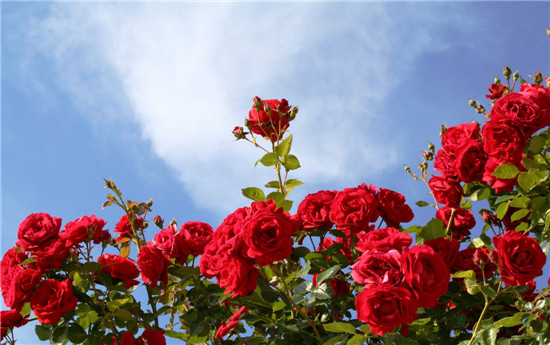
The rose is a deciduous shrub plant in the Rosaceae family, with purple-red flowers and a fragrant scent. It is said that the greatest secret to Yang Guifei's ability to maintain soft, lustrous skin was that she soaked fresh rose buds year-round in the Huaqing Pool where she bathed. Rose petals can be used both for bathing and for skincare and beautification; they are a natural beauty and skincare treasure.
In traditional Chinese medicine, it is also known as wandering flower and thorny rose flower. Its nature is sweet and slightly bitter, warm, and non-toxic. It enters the liver and spleen meridians. Effects: regulating qi and relieving depression, harmonizing blood and dissipating stasis. It mainly treats liver-stomach qi pain, recent and chronic wind arthralgia, vomiting blood and coughing blood, irregular menstruation, red and white vaginal discharge, dysentery, breast abscess, and toxic swellings. "Shiwu Bencao" says it "mainly benefits the lungs and spleen, tonifies the liver and gallbladder; eaten, it is fragrant and sweet, making one feel refreshed." This product can both invigorate blood and dissipate stagnation, and also remove toxin and reduce swelling, thereby eliminating conditions such as facial acne caused by endocrine dysfunction. Taken over the long term, this product has excellent beauty effects, can effectively scavenge free radicals, eliminate pigmentation, and restore youthful vitality.
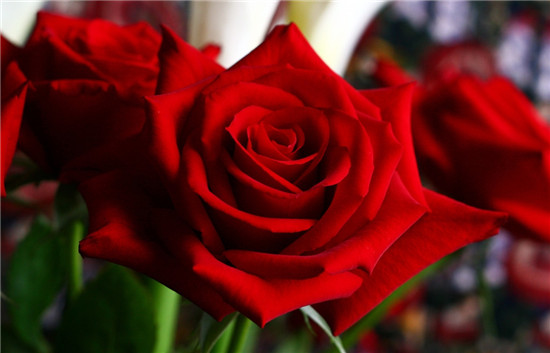
Morphological characteristics of roses
An erect shrub, up to 2 m tall; stems stout, clustered; branchlets densely covered with tomentum, and with needle-like prickles and glandular hairs, with erect or curved, pale yellow prickles, the prickles externally covered with tomentum.
Leaflets 5-9 cm, 5-13 cm long including petiole; leaflets elliptical or elliptically obovate, 1.5-4.5 cm long, 1-2.5 cm wide, apex acute or rounded-obtuse, base rounded or broadly cuneate, margins with sharp serrations, upper surface dark green, glabrous, veins sunken, wrinkled, lower surface grayish green, midvein prominent, reticulate veins obvious, densely covered with tomentum and glandular hairs, sometimes glandular hairs inconspicuous; petiole and rachis densely covered with tomentum and glandular hairs; stipules mostly adnate to the petiole, the free part ovate, margins with glandular serrations, lower surface covered with tomentum.
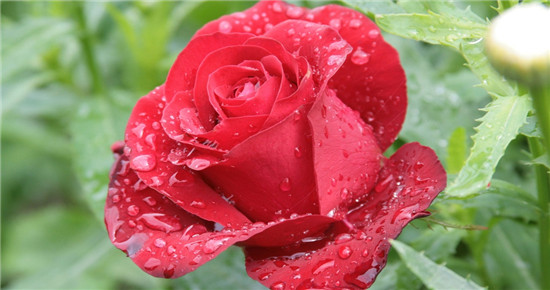
Propagation of roses
Propagation is mainly by division; from leaf fall to before bud break, suckers can be dug from around the clump and planted. Cuttage propagation can also be used; for cuttage, use semi-mature branches after flowering in mid-June. After leaf fall, a trench should be dug around the plant and base fertilizer applied, and another application of fertilizer should be made when buds sprout in early spring, to promote branch growth and abundant flowering. Roses are harmed by scale insects, aphids, red spiders, and powdery mildew, and control should be carried out early once they occur. After four or five years of growth, one renewal and rejuvenation pruning should be carried out.
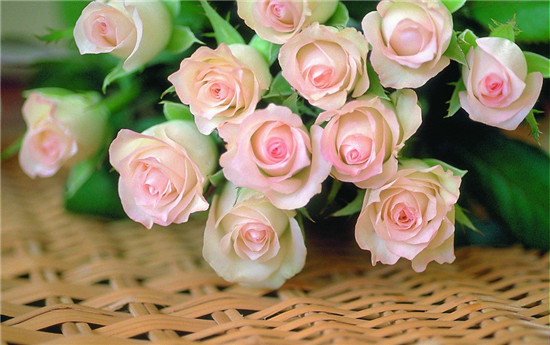
Flowers solitary in leaf axils, or several clustered, bracts ovate, margins glandular-hairy, externally covered with tomentum; pedicels 5-22.5 mm long, densely covered with tomentum and glandular hairs; flowers 4-5.5 cm in diameter; sepals ovate-lanceolate, apex caudate-acuminate, often with pinnate lobes and expanding into leaf-like form, upper surface sparsely pubescent, lower surface densely covered with pubescence and glandular hairs; petals obovate, double to semi-double, fragrant, purple-red to white; styles free, hairy, slightly protruding beyond the mouth of the hypanthium, much shorter than the stamens. Fruit oblate, 2-2.5 cm in diameter, brick red, fleshy, smooth, sepals persistent. Flowering period May-June, fruiting period August-September.
The above is the complete content of the characteristics of roses and the detailed introduction to roses that I have summarized for everyone. I hope this article can help everyone. Please also continue to follow us.