Calamondin Cultivation Methods and Bonsai Making Techniques
The flower language of calamondin is four-season auspiciousness and peace. It is a common ornamental plant in the home. Calamondin blooms multiple times a year, and its fruit is orange-yellow with an excellent ornamental effect. At the same time, calamondin bonsai can also be made. The fruit of calamondin has a cough-relieving effect. Below, let us take a look at the cultivation methods and bonsai making of calamondin.
I. Introduction to Calamondin
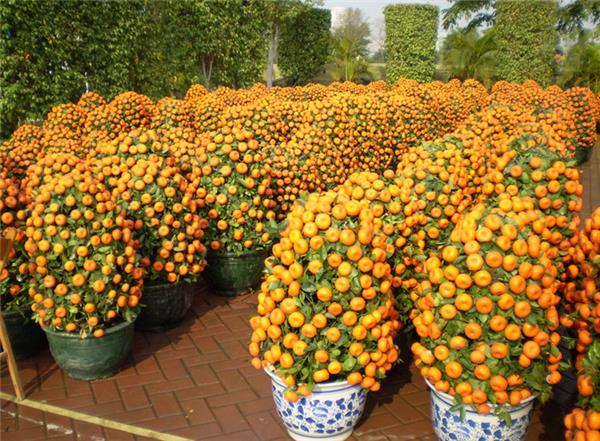
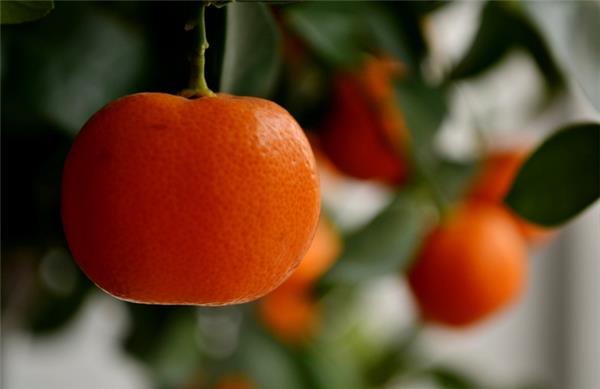
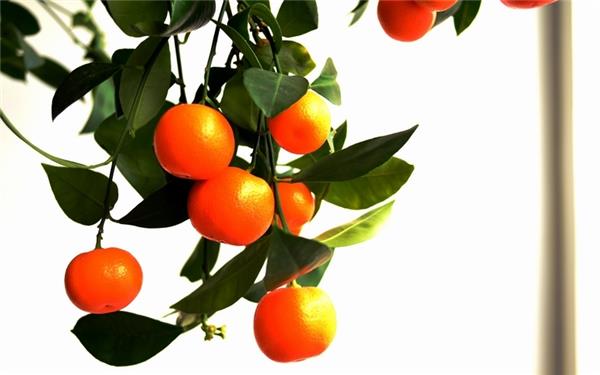
Calamondin is an evergreen shrub or small tree of the Rutaceae family and Citrus genus. The tree is upright, with dense branches and leaves, much branched, thorny or thornless, dark green leaves, wavy blunt teeth on the leaf margin, and narrow winged petioles. The flowers are white and fragrant, blooming multiple times a year. The fruit is orange-yellow, round or oblate, often lopsided and irregular, often with a small ring mark at the top, with dense oil cells, flat or protruding. The flesh has 8-11 segments, is sour, very difficult to eat raw, and can be used as a substitute for lime. The seeds are polyembryonic, with green embryos. Calamondin blooms multiple times a year, and its fruit is orange-yellow with an excellent ornamental effect. Calamondin bonsai can be made. The fruit has a cough-relieving effect. Calamondin is also called monthly orange. It is a hybrid of kumquat and orange, with an excellent ornamental effect.
II. Calamondin Cultivation Methods
1. Potted Calamondin
The best time to repot potted calamondin is in early March of the Gregorian calendar, that is, around "Jingzhe" in the lunar calendar. Before repotting, pick off the oranges, prune the orange tree into a spherical shape, keep each side branch 5 to 7 cm long, and cut off overly dense or weak branches. In addition, about one third of the small roots should be cut off, without damaging the main root. Remove the old soil and keep a root ball of soil about the size of a bowl. Put base fertilizer into the orange pot, plant the pruned plant back into the pot, then cover with fertile new pond mud, and place it in a ventilated place. Before the plant sprouts, do not expose it to long periods of sunlight, do not water too much, just keep it moist, and do not fertilize too much. When the orange tree sprouts new buds and the leaves increase, you can water more, fertilize twice a month, and you can apply light nitrogen fertilizer, or fermented human urine and peanut meal. If pests are found, control them promptly.
In mid-July, the fruit oranges gradually bloom, and the flowers at this time should be properly retained. If they still have not bloomed by mid-August, remedial measures should be taken. Place the fruit oranges in a place with sufficient sunlight for more sun exposure (at night, light can be used as a supplement), and water less (wait until the leaves wrinkle before watering a little clear water), until some small white dots appear in the leaf axils. These are flower buds. At this time, normal management can be resumed.
After the plant sets fruit, all newly opened flowers in late October should be removed to reduce nutrient consumption and keep the branches strong and the fruit large. By the Spring Festival, you can enjoy the auspicious calamondin.
III. Calamondin Bonsai Making
1. Potting usually begins after Qingming. Unglazed clay pots or purple clay pots can be used. The potting soil can be made by mixing humus soil, garden soil, and coal cinders evenly. Decomposed cake fertilizer and human waste can be used as base fertilizer.
2. When shaping, achieve the following two points:
First, understand the physiological characteristics of calamondin
Calamondin can bloom and fruit multiple times within a year. Its flower bud differentiation can proceed after the branches stop growing and on the basis of having certain nutrition. Shoots that sprout in the current year can bloom and bear fruit.
Second, shaping and pruning
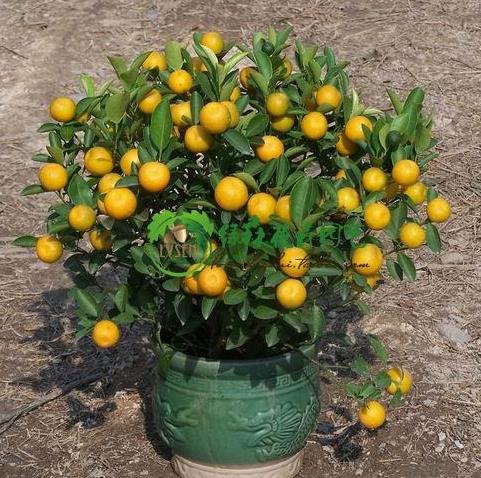
Before the spring shoots sprout each year, carry out one heavy pruning of calamondin, cutting off dead branches, weak branches, diseased and pest-infested branches, and overly dense branches, retaining healthy branches, with 2-3 buds kept on each branch. Weak trees can be cut back to the first branching point to promote robust spring shoots. When the spring shoots grow to 15-20 cm long, pinching should be carried out, and phosphorus and potassium fertilizer should be applied at the same time, so as to form a neat crown, make the crown full, and the tree body robust and beautiful.
The above are the cultivation methods and bonsai making of calamondin. I hope it can help you.