A Detailed Guide to Cacti: Introduction and Cultivation Methods
Cacti are distinctive ornamental plants. Under ordinary household conditions, making full use of the available space to grow dozens of pots of various cacti and create a small "cactus garden" is not difficult. At the turn of spring and summer, when all kinds of cacti on the windowsill burst into a dazzling array of flowers, resting under such conditions after work can not only relieve fatigue but can also be described as a enjoyment of natural beauty. Below, we introduce cacti.
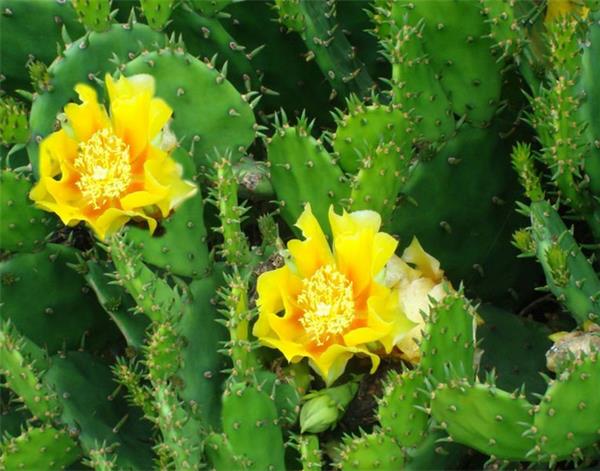
I. Introduction to Cacti
The cactus (Cactaceae) is a plant family and also the national flower of Mexico. It belongs to a family of desert plants in the order Caryophyllales. To adapt to the arid climate of the desert, its leaves evolved into short, small spines to reduce water evaporation and also serve as a weapon to prevent animals from eating them; its stem evolved into a thick, fleshy, water-storing shape; at the same time, it grows roots with a very large coverage area to absorb as much rainwater as possible during heavy rains. At present, there are nearly 2,000 species of plants in the cactus family. The cactus family is native to North and South America, from British Columbia and most areas southward from Alberta, with its southern boundary reaching Chile and Argentina. Mexico has the greatest variety of cacti. Only the genus Rhipsalis may be native to the Old World, distributed in East Africa, Madagascar and Sri Lanka. However, many scholars believe that this genus was introduced to these regions from other parts of the world. Cactus flowers are native to the South American and North American continents, with traces found from Ontario, Canada at 50 degrees north latitude to Santa Cruz Province, Argentina at 50 degrees south latitude.
According to relevant sources, after Columbus discovered the New World in 1496, in 1540 sailors first brought cacti from the Caribbean islands of South America to Europe, and in 1669 they were introduced to Japan. In 1840, the "Botanical Dictionary" published in Britain recorded that cactus cultivation had reached 400 species. At that time, cactus flowers had already developed from wild introduction to artificial cultivation, and through horticultural cultivation, the originally wild cacti had been improved into distinctive ornamental flowers. Most cacti grow in arid environments. Some are columnar, more than 10 m tall and weighing about two to three thousand jin, standing towering and quite spectacular. Some spiny cactus globes can live for more than 500 years and can grow into giant globes two to three m in diameter; people split open their upper parts and dig out the tender, juicy stem flesh to quench thirst and satisfy hunger. Cactus plants also have a special ability: in the dry season, they can enter a dormant state without eating or drinking, reducing the consumption of nutrients and water in their bodies to the lowest possible level. When the rainy season comes, they "wake up" very sensitively, and their root systems immediately become active, absorbing large amounts of water, causing the plants to grow rapidly and quickly bloom and bear fruit. Some cactus plants have roots that become carrot-shaped and can store seventy to eighty jin of water. Someone once wrapped a cactus globe in a dry paper bag and left it for more than two years. Although it was somewhat shriveled, after putting it into a pot and watering it, it quickly grew new roots and resumed growth. With its wonderful structure, astonishing drought tolerance and tenacious vitality, the cactus is appreciated by humans.
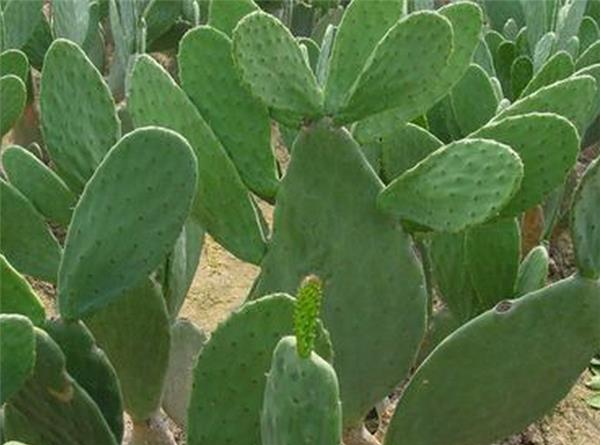
Cacti also have oddly shaped stems and brightly colored flowers. Despite their strange shapes and sharp spines that make people fearful, the flowers they produce are exceptionally delicate and charming, with rich and varied colors, and flower spikes like tassels. For example, the whip-like "Queen of the Night" produces large white flowers reaching fifty to sixty cm in diameter. The epiphyllum, described by people as "a fleeting show" (tanhua yixian), is an epiphytic type of cactus plant native to the tropical forests of Central and South America.
II. Cactus Cultivation Techniques
Indoor Cultivation
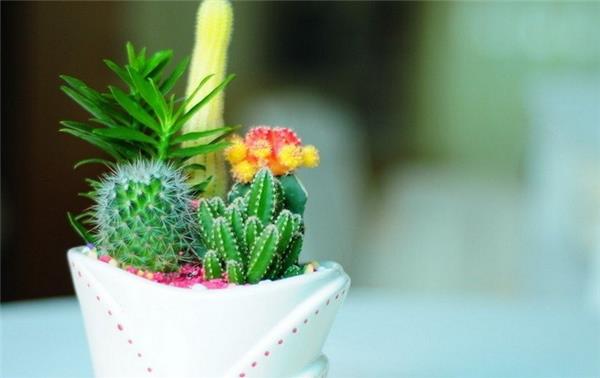
The shift of cacti from the wild to widespread indoor cultivation reflects a trend among urban residents in choosing potted flower varieties. Because building space is limited and the air is relatively dry, growing large or relatively delicate potted flowers often does not go well, so choosing small, drought-tolerant varieties that are easy to manage and yet have high ornamental value is most suitable. Cactus plants precisely meet these requirements. For indoor potted cacti, it is advisable to choose small, globe-type species with many flowers. During cultivation, one should not assume that these plants are drought-tolerant and therefore neglect normal watering and fertilizing. For indoor cultivation, you can use wire and plastic film on a windowsill to create a closed space with high temperature and high humidity. Under such conditions, most cacti not only grow quickly but also have a crystal-clear luster.
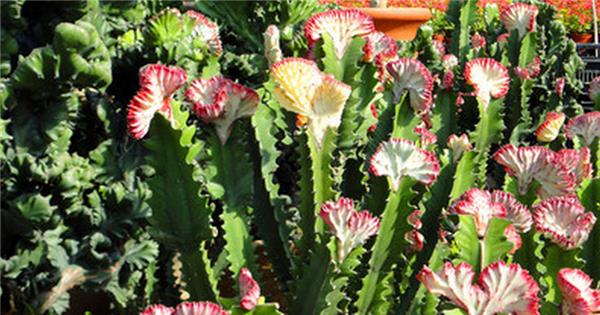
The potting soil should be well-drained and air-permeable sandy soil or sandy loam containing lime. Newly planted cacti should not be watered at first; simply spray them several times a day. Only after half a month may a small amount of water be given, and only after one month, when new roots have grown, can normal watering begin. In winter, when the temperature is low and the plants enter dormancy, watering should be restrained. After the beginning of spring, as the temperature rises, the plants gradually come out of dormancy, and watering can be gradually increased. Apply a diluted, fully decomposed liquid fertilizer once every 10 days to half a month; do not fertilize in winter.
The above is knowledge about cacti. We hope it can help you.