Spider Plant Care: Growing Methods and Care Tips
Spider plant is also known as weeping pot grass, cinnamon orchid, hook orchid, and folded crane orchid; in Western Europe it is also called spider grass or airplane grass, and it originated in South Africa. It is a perennial evergreen herbaceous plant of the Liliaceae family. The roots are fleshy, and the leaves are slender, resembling those of an orchid. The stolons that emerge from the leaf axils of the spider plant can grow about a chi long, both stiff and soft; the leaves clustered at the tips of the stems hang outward from the rim of the pot and sway with the wind, shaped like a crane spreading its wings and leaping, which is why the spider plant was called folded crane orchid in ancient times. So how much do you know about spider plants? Let's take a look together.
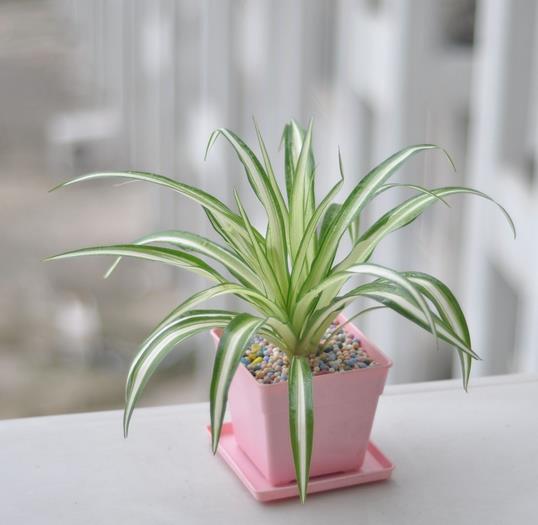
I. Introduction to Spider Plant
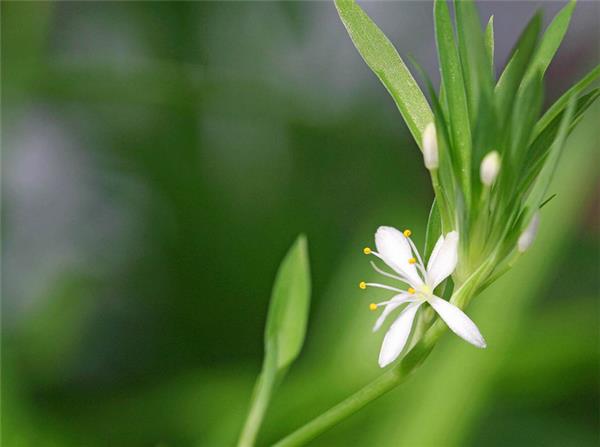
Spider plant has clustered leaves that resemble flowers and stays evergreen all year round. It is a famous foliage plant and is hailed as the "airborne flower." According to research, spider plant has the ability to absorb toxic gases. Generally, keeping one pot of spider plant in a room can almost completely absorb the formaldehyde released into the air by smoking and building materials, thereby purifying the air and also helping protect human health. The roots and the whole plant of spider plant can be used as medicine, with effects such as clearing the lungs, relieving cough, cooling the blood, and stopping bleeding. Spider plant is a perennial herbaceous plant with slender drooping branches. It blooms small white flowers in summer, with yellow stamens, and can be grown in pots for ornamental viewing. Trait identification: the fibrous roots are cylindrical and spindle-shaped, with short rhizomes on them. The complete leaves are linear to linear-lanceolate, 20-30 cm long and 1-2 cm wide, with acuminate tips and clasping bases; dark green in color, some with yellow longitudinal stripes or yellow margins; relatively hard in texture. Some still have scapes and inflorescences. It has a faint odor and a mild taste. Spider plant likes warmth, moisture, and a semi-shaded environment. It has strong adaptability and is relatively drought-tolerant, but not cold-tolerant, and it is demanding about soil; it generally grows best in well-drained, loose, fertile sandy soil. Spider plant is not strict about light and generally grows well under medium light conditions, and it also tolerates weak light. The optimal growth temperature is 15-25°C, and the wintering temperature is 10°C. The root system of spider plant is quite developed, so after growing it for a period of time, the pot should be replaced promptly to avoid root accumulation, which can cause yellow leaves and wilting in spider plants.
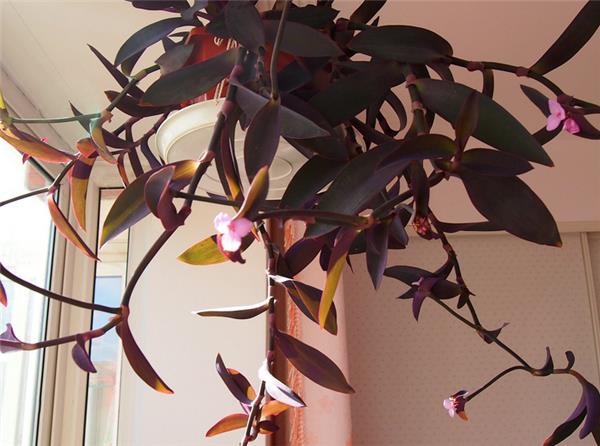
II. Care Methods for Common Spider Plants
1. Substrate: Spider plant has strong adaptability to various soils and is easy to cultivate. Fertile sandy loam, humus soil, peat soil, or fine sandy soil with a small amount of base fertilizer can be used as potting soil.
2. Propagation: Division is usually used for propagation. Except in winter when the temperature is too low and division is unsuitable, it can be done in other seasons. Small plantlets with roots on the flower stems can also be cut off and potted. Watering: spider plant likes a moist environment, and the potting soil should be kept moist often. However, the fleshy roots of spider plant can store a large amount of water, so it has strong drought resistance and will not dry out and die even if not watered for several days. When the temperature is below 5°C in winter, water less, and do not let the potting soil become too wet, otherwise the leaves are prone to turning yellow.
3. Fertilizing: During the growing season, apply liquid fertilizer once every two weeks. For variegated varieties, apply less nitrogen fertilizer, otherwise the white or yellow markings on the leaves will become less obvious. Stop fertilizing when the ambient temperature is below 4°C.
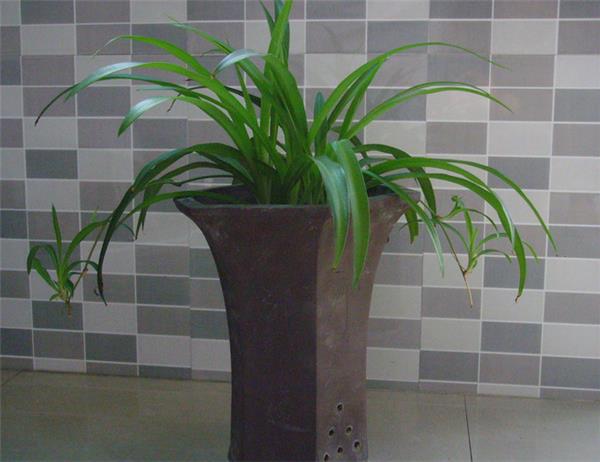
4. Temperature: Spider plant tolerates high temperatures. The suitable temperature is above 15°C, and the wintering temperature is above 4°C.
5. Humidity: It likes a moist environment. To keep spider plant fresh and green, you can often spray water on the leaves to wash them.
6. Pruning: At ordinary times, cut off yellow leaves at any time. Once a year in March, repot it and cut off old roots, rotten roots, and excess fibrous roots. In early to mid-May, cut off some of the old leaves of the spider plant, which will encourage more new leaves and small spider plantlets to sprout.
Spider plant is not prone to pests and diseases, but if the potting soil is waterlogged and ventilation is poor, besides causing root rot, root rot disease may also occur, so attention should be paid to spraying medicine for prevention and control.
The above are the care methods for spider plants. I hope they can help you.