What to Do When a Clivia Gets Stuck Arrow? Teach You the Correct Way to Handle It
Many people who grow clivias run into problems where they do not know how to care for them. If a clivia stuck arrow is handled improperly, it can cause the clivia to wither and die. Come with me now to see how to care for a clivia with a stuck arrow.
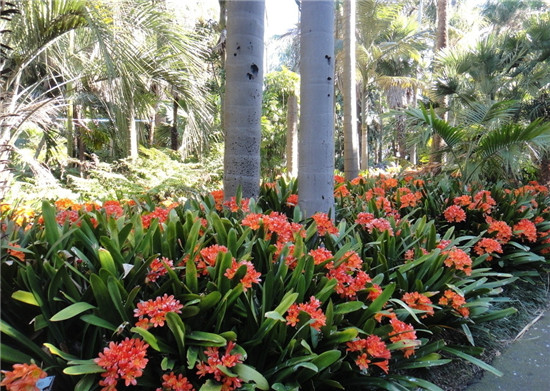
To know what to do when a clivia gets stuck arrow, you first need to know the causes of a stuck arrow in clivia. The cause of a stuck arrow in clivia is generally insufficient growing temperature. The suitable temperature for clivia growth is generally 20°C. If the indoor temperature is higher or lower than 20°C, it will affect the clivia's flower stalk emergence; insufficient nutrients during clivia growth can also cause a stuck arrow; in addition, a lack of water in the clivia can also affect flower stalk emergence.
A clivia stuck arrow may also be caused by improper cultivation methods. Clivia should not be placed outdoors in direct sunlight; appropriate sunlight is enough. Therefore, improper cultivation methods can also cause a clivia stuck arrow. Too much watering, too much fertilizing, indoor room temperature too high or too low, and so on. So when a clivia gets stuck arrow, we must treat the root cause accordingly, so that we can get twice the result with half the effort and save the clivia.
Now that you understand what to do when a clivia gets stuck arrow, next you should understand how to prevent a clivia stuck arrow. To prevent a clivia stuck arrow, you first need to understand the habits of clivia and cultivate it according to its habits. Clivia likes environments with a large temperature difference between day and night, generally does not need too much water, and in dry seasons appropriate watering is enough. In addition, clivia should be fertilized appropriately, and the growing temperature must be ensured not to be too high or too low.
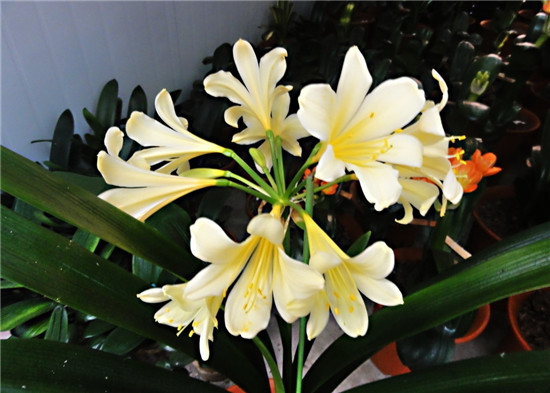
Causes of Clivia Stuck Arrow
1. Unsuitable Temperature
The suitable temperature range for clivia growth is 15-25°C. The temperature requirements differ by season and different developmental stages. The suitable temperature for the seedling stage is 20-25°C, the suitable temperature for the arrow-emergence stage is around 20°C, and the suitable temperature for the flowering stage is 15-20°C, and it requires a day-night temperature difference of 8-10°C. If the temperature is below 15°C or above 25°C, or the day-night temperature difference is less than 5°C, the stuck arrow phenomenon will occur.
Temperature regulation: Before the clivia blooms, you should frequently observe whether the bulb of the potted plant has any raised traces. Once you find the bulb bulging, it indicates that arrow emergence is possible. At this time, adjust the temperature promptly to facilitate the flower stalk emerging.
2. Insufficient Fertilization
During the arrow-emergence period of clivia, vegetative growth and reproductive growth proceed simultaneously, consuming a large amount of nutrients, especially requiring more phosphorus and potassium. If these cannot be supplied in time, a stuck arrow will occur.
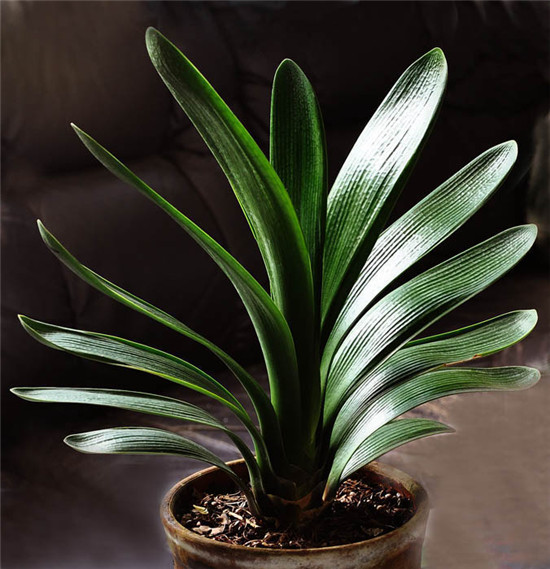
Fertilization and care: After a clivia has been grown for 3 full years, once autumn arrives, the number of fertilizations must be increased. It is best to apply liquid fertilizer with a higher phosphorus content, and it is best to apply nitrogen, phosphorus, and potassium fertilizers in coordination and alternately. When necessary, you can also additionally apply 0.2% potassium dihydrogen phosphate foliar fertilizer to promote the formation of flower buds and earlier blooming.
3. Improper Watering
When a clivia is emerging its arrow, a lack of water in the plant will hinder the growth of the flower stalk, causing a stuck arrow; while overly wet potting soil will cause root rot and will also affect the clivia's arrow emergence. Watering and care: When the clivia is emerging its arrow, you should break the usual routine of watering only when dry and water when wet, appropriately increase the amount of watering, and keep the potting soil moist. Never wait until it is completely dry before watering. The most suitable water content of the potting soil is 20%-40%, and the suitable relative air humidity is 50%-60%, not exceeding 80% at most.
4. Insufficient Light
Clivia is a medium-light flower. When the light rate exceeds 60% or is below 20%, it will affect the growth and development of the clivia. Especially before blooming, more light is needed. If there is less than 8 hours of light per day in winter, it will also affect arrow emergence. Light regulation: In winter, when light is weaker, the clivia must be placed in a position with sufficient light. If there is continuous rainy weather, a 25-watt incandescent lamp can be used for timed supplemental lighting.
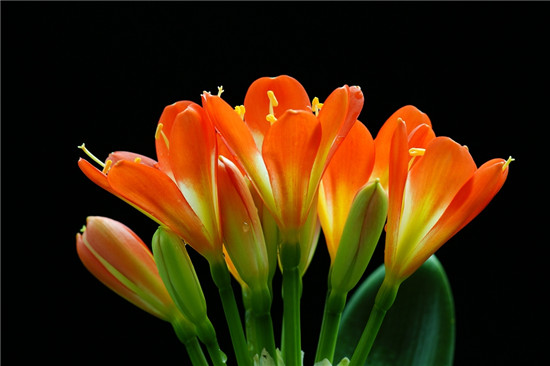
5. Compacted Potting Soil
Clivia likes to grow in fertile, loose, breathable, neutral or slightly alkaline soil with good water retention. If the soil is compacted, it will be difficult to absorb nutrients from the soil, causing nutritional deficiency and leading to a stuck arrow. Soil treatment: Repot in time to improve the physical structure of the soil, which is beneficial to root growth and the decomposition of soil organic matter and mineral elements.
The above is all the content I have summarized for you on how to handle a clivia stuck arrow. I hope this article can help everyone. Please also continue to follow us.