Introduction to the Wanzhongshan and Its Care Techniques: Growing the Beauty of Layer Upon Layer of Peaks
The Wanzhongshan is an ornamental plant. Its form resembles a mountain yet is not a mountain, resembles stone yet is not stone. It is a living, lush, layered and overlapping, evergreen succulent. Because its shape is towering and jagged, resembling mountain ranges, it is also called Xianrenshan (Immortal Mountain). There are about 3-4 monstrose cultivars. Because the Wanzhongshan has a towering, jagged shape resembling mountain ranges, let us now take a look at the relevant introduction to the Wanzhongshan.
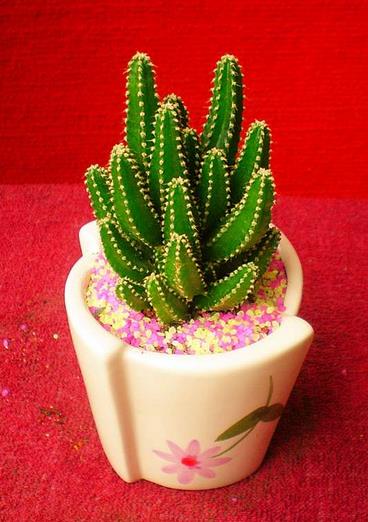
I. Introduction to the Wanzhongshan
The Wanzhongshan is a variant of the cactus column (Cereus), belonging to the Cactaceae family, genus Cereus, a succulent plant. Wanzhongshan is actually a name given by merchants; some growers also call it Shanying, Xianrenshan, or Shanyingquan, but it has never had a clear scientific name. It is a variant of the cactus column, a succulent plant of the cactus column variant, belonging to the Cactaceae family, genus Cereus.
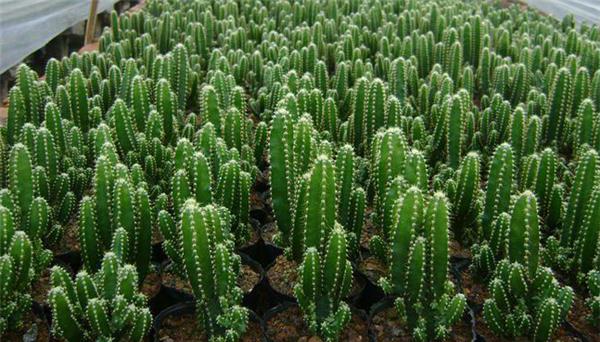
II. Morphological Characteristics of the Wanzhongshan
The Wanzhongshan is a type of cactus plant, forming an irregular cylindrical or rockery-like shape, with thick, fleshy growth and bristles, and a spectacular form. It takes 8-9 years of cultivation to bloom. The areoles of the Wanzhongshan have no long hairs; the spines are long and variable in color. It blooms in summer and autumn, with large trumpet-shaped or funnel-shaped flowers, white or pink, opening at night and closing by day. Only plants over 20 years old bloom. The fruit is large, red or yellow, and edible. The seeds are black. It is much branched. The stems are dark green with brown spines.
III. Ecological Habits of the Wanzhongshan
The Wanzhongshan likes sunlight, is drought-tolerant, tolerates poor soil, and also tolerates shade. For pot cultivation, choose a sandy soil that is well aerated, well drained, and rich in lime. The Wanzhongshan is not suited to overly moist soil or an environment with too little light. Watering should be less rather than more; water once every 3-5 days to keep the soil slightly dry.
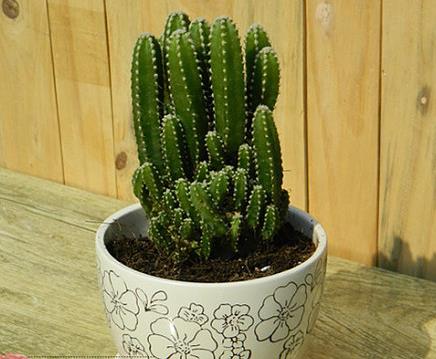
IV. Cultivation Techniques for the Wanzhongshan
Cultivation Management
The Wanzhongshan likes sunlight, is drought-tolerant, tolerates poor soil, and also tolerates shade. For pot cultivation, choose a sandy soil that is well aerated, well drained, and rich in lime. The Wanzhongshan is not suited to overly moist soil or an environment with too little light. Watering should be less rather than more; water once every 3-5 days to keep the soil slightly dry. This can make the plant grow slowly, thick and plump, with a beautiful shape. The Wanzhongshan generally does not need fertilizing. Each year when repotting, place a small amount of bone meal and organic fertilizer at the bottom of the pot as a base fertilizer. Never apply high-concentration chemical fertilizer, otherwise fertilizer burn will occur and the loss will outweigh the gain; you can also use organic fertilizers such as sesame paste residue to make liquid fertilizer, dilute it, and pour it onto the potting soil.
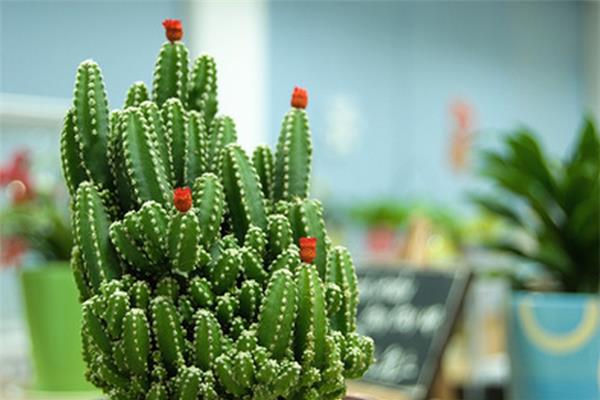
Watering should follow the principle of "alternating dry and wet," preferring dry over wet. There should be no absolute interval for watering; it should be flexibly controlled according to factors such as weather, temperature, light, and ventilation. The Wanzhongshan should be given reduced water and fertilizer, otherwise it is prone to root rot or leggy, deformed growth, showing a "reversion" phenomenon and growing into a column shape, losing its ornamental value. When overwintering in winter, the Wanzhongshan should be moved indoors promptly when the outdoor ambient temperature is below 5°C, placed in a sunny spot, and kept at a room temperature between 5-10°C for safe overwintering. If the temperature drops suddenly, it can be covered with a plastic bag to keep warm. The reasons the Wanzhongshan has many flower buds but few blooms are objective factors in the care environment, spraying water, rain exposure, excessive fertilizing, or lack of nutrients (small pots need soil replacement and fertilizing once a year, large pots once every two years), and excessive watering.
The above is the relevant knowledge about the Wanzhongshan. I hope it can help you.