What is the flower language and symbolic meaning of tulips?
Tulips, also known as "foreign lotus," come in an extremely rich range of varieties with brilliant and numerous colors. So how many people really understand tulips? And how many people know the flower language of tulips? Let us take a look together!
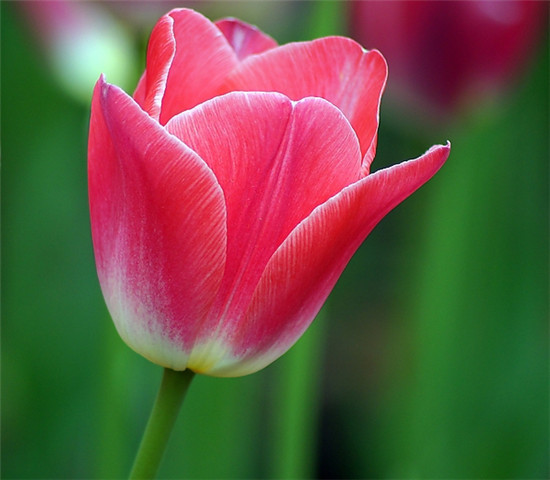
Tulips prefer a climate with plenty of sunlight, warm and humid winters, and cool, dry summers, and they dislike extreme heat and waterlogging. They do best in loose, fertile, slightly acidic, well-drained sandy loam, and dislike alkaline soil and continuous cropping. They have the characteristics of dormancy in summer, planting in autumn, and growth in the soil in winter. The suitable temperature for growth and flowering is 15°C-20°C, the storage temperature for bulbs in summer is 20°C-25°C, and in winter they can tolerate low temperatures.
Tulips are mainly propagated by dividing bulbs. In June, lift the dormant bulbs, dry them, and store them in a ventilated, cool, dry place, then plant them in October. The planting site should be chosen as a place with deep soil, sheltered from the wind, facing the sun, and high and dry. After deep plowing, apply a mixed base fertilizer (leaf mold, cake fertilizer, and bone meal). Cover with a layer of soil, then plant. The covering depth is generally 10 cm-15 cm. After planting, water thoroughly once, and water thoroughly again before winter. In cold regions, cover with straw and other materials to protect against freezing. After the young leaves sprout the following spring, water once every 10 days-15 days to keep the soil moist. Before leaf expansion and in the early bud stage, apply once each of fully decomposed dilute cake fertilizer water or compound fertilizer. Before flowering, spray the leaves once with 0.2% monopotassium phosphate. After the flowers fade, except for the mother plants reserved for seeds, the flower stems of the rest should be cut off in time so that nutrients are concentrated to supply the development of new bulbs. At this time, the frequency of watering should be gradually reduced to facilitate the expansion of the new bulbs and make them firm in texture.
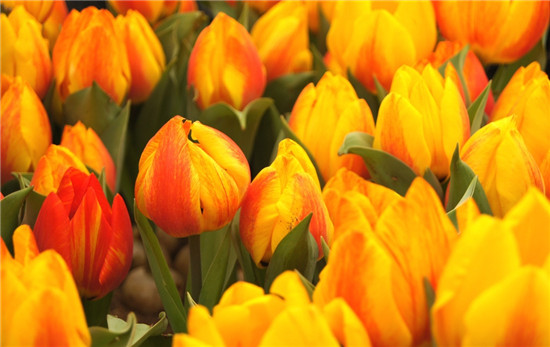
Tulip flower language: universal love, consideration, elegance, wealth and honor, charity, fame, beauty, blessing, eternity, a declaration of love, eternal blessing. Tulips of different colors also differ in flower language. For details, you can refer to the tulip flower language below.
Tulip flower language one: a declaration of love, the crown of honor, eternal blessing.
Yellow tulip flower language: elegance, preciousness, wealth, cherish, friendship.
Pink tulip flower language: beauty, passionate love, cherish, friendship, happiness.
Red tulip flower language: a confession of love, a declaration of love, joy, passionate love.
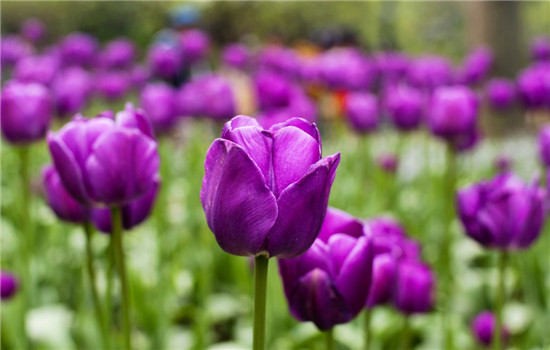
Purple tulip flower language: noble love, endless love.
Black tulip flower language: mystery, nobility.
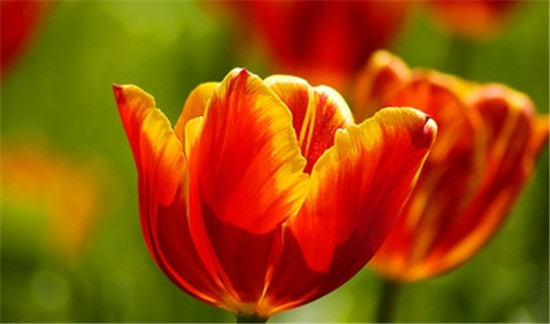
Plateau tulip flower language: pride, standing tall, the beauty of creation, the creation of beauty. Feather tulip flower language: deep and lingering affection.
Bicolor tulip flower language: beautiful you, joyful reunion. Wild tulip flower language: chastity.
Tulip flower language two: symbolizing holiness, happiness, and victory.
Different flower colors have different meanings:
Red tulip - expresses I love you.
Purple tulip - expresses faithful love.
Yellow tulip - expresses hopeless love.
White tulip - expresses disappointment in love.
Black tulip - represents chivalry (or melancholic love).
The above is all the content I have summarized for you on the flower language and symbolic meanings of tulips. I hope this article can help everyone. Please also continue to follow us.