What are the cultivation techniques for peony hanging orchid?
Peony hanging orchid, also called dew grass, is a very easy-to-survive and easy-to-grow flower, and is one of the flowers with great ornamental value and cultivation value. Next, let us take a look at the cultivation methods of peony hanging orchid!
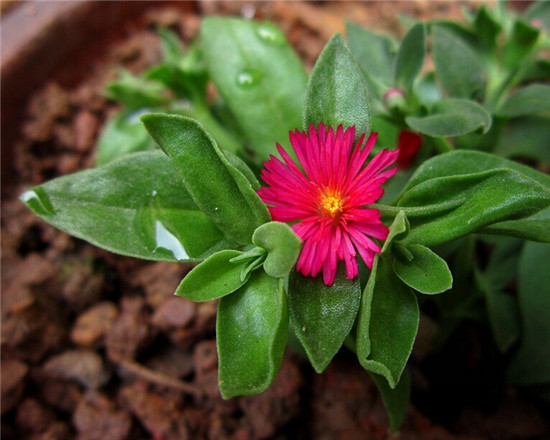
Peony hanging orchid, also called dew grass, flower vine grass, heartleaf ice plant, dew flower, sun rose, horned hanging orchid, cherry blossom hanging orchid, etc., actually does not belong to the hanging orchid genus. Because its branches and vines are relatively soft, and after extending they become semi-prostrate, with the branches drooping, it looks very much like hanging orchid, so people have always maintained it as a hanging orchid. Its leaves are thick and fleshy, and the leaf color is emerald green; the hanging orchid blooms at the tips of the branches, and the flower color is rose red; the flowering period lasts from spring to autumn, so it can be enjoyed both for its flowers and its leaves, and it is one of the excellent potted flowers for decorating living rooms and windowsills.
Care methods for peony hanging orchid
1. Extensive management, simple care. Except for the strong light at noon in midsummer, which should be properly shaded, it should be given sufficient light at other times, especially in winter.
2. From March to September, during the peak growth period, the water demand is relatively large, so it needs frequent watering and spraying to increase humidity; after autumn, gradually reduce the amount of watering to improve the plant's cold resistance.
3. It likes a semi-shaded environment. If the light at the placement site is too strong or insufficient, the leaves are likely to turn pale green or yellow-green, lack vitality, lose their due ornamental value, or even wither and die; if exposed to direct sunlight and dry air, it is most likely to cause scorching, so it should be placed in a cool and ventilated place, and attention should be paid to maintaining environmental humidity.
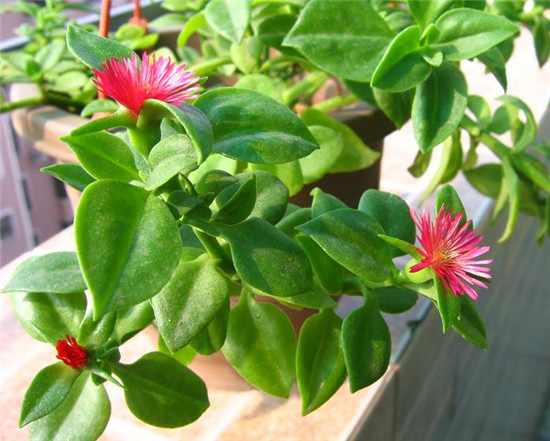
4. It is not prone to pests and diseases, but if the pot soil is waterlogged and ventilation is poor, besides causing root rot, root rot disease may also occur, so attention should be paid to spraying pesticides for prevention and control.
5. Place it in a ventilated position with sufficient scattered light. Since winter is not the growth period of peony hanging orchid, in order to prevent root rot, water only when the soil looks dry, and water thoroughly when watering, depending on the situation!
Peony hanging orchid is propagated by cuttings, carried out in spring and autumn, and is extremely easy to survive. The propagation of peony hanging orchid is very simple, generally using the cutting method: cut a mature branch, let it dry for a moment, then insert it into the prepared pot soil, place it in a cool and ventilated place, and keep the soil slightly moist. After a few days, you can see the branch stand upright, which indicates that the new branch has begun to take root.
Is peony hanging orchid toxic?
Hanging orchid-type flowers all have the function of improving the air, especially improving indoor air quality after renovation and absorbing toxins, so peony hanging orchid is not toxic, and it is also beneficial for indoor air purification and improvement.
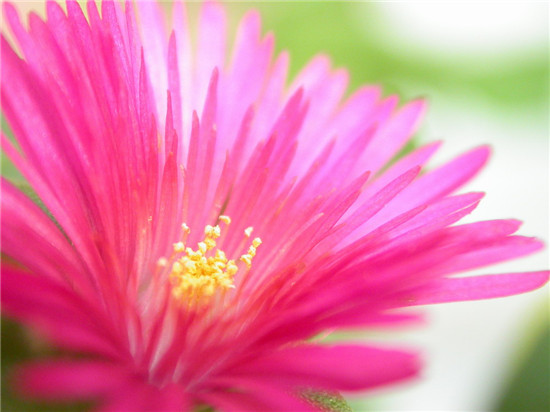
Peony hanging orchid is not only non-toxic, but also contains many nutritional elements. The antioxidant lutein in peony hanging orchid has a good health-preserving effect on various human organs. If eaten in spring, it is very suitable, and lutein is also very good for the eyes. As a vegetable, peony hanging orchid tastes bitter but has an obvious effect in reducing internal heat.
Precautions for growing peony hanging orchid:
1. If the peony hanging orchid does not get enough light, its leaves will appear pale in color. In severe cases, the leaves will fall off.
2. Peony hanging orchid cannot be watered every day, which may cause root and leaf rot, and in severe cases may lead to death.
3. For peony hanging orchid, about once every half a month is enough. If too much fertilizer is applied, yellowing leaves will also appear.
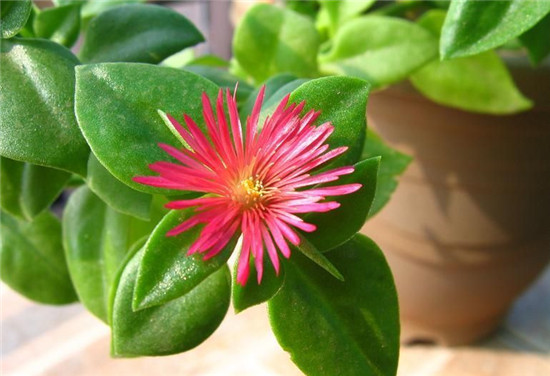
The value of peony hanging orchid:
1. Hanging orchid-type flowers have the function of improving indoor air, so peony hanging orchid is also beneficial for indoor air purification and improvement.
2. Peony hanging orchid also contains many nutritional elements, and the lutein in peony hanging orchid is also very good for the eyes. As a vegetable, peony hanging orchid has an obvious effect in reducing internal heat.
3. Peony hanging orchid is a very good ornamental flower with high ornamental value.
The above is all the content of the related cultivation techniques for peony hanging orchid that I have summarized for everyone. I hope this article can help everyone. Please also continue to follow us.