What are the planting methods and procedures for water lilies?
The water lily is a perennial aquatic herb, and like the lotus it belongs to the Nymphaeaceae family. The main difference between water lilies and lotuses is that the leaves and flowers of the lotus stand out of the water, while the flowers and leaves of the water lily float on the water surface. Next I will introduce the planting methods for water lilies.
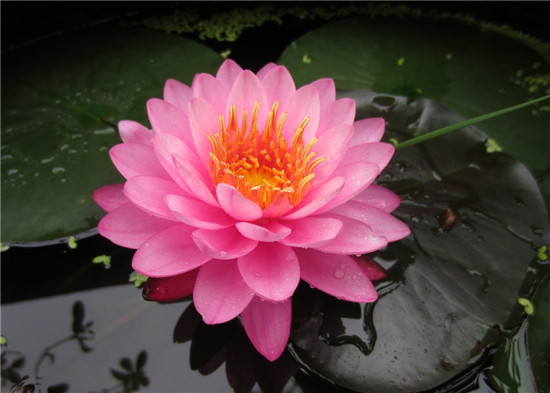
Conditions for planting water lilies
Water lilies and lotuses are roughly similar in cultivation, but after all, the two still differ greatly in form, physiology and other characteristics. So water lily planting must differ somewhat from lotus planting, but the basic preparation conditions come down to just five things: container, soil or mud, fertilizer, site, and variety.
Water lilies grow in ponds and marshes, and their appearance resembles the lotus; they are known as the "sleeping beauty among flowers." Hardy varieties are usually divided before sprouting in early spring, while non-hardy varieties must wait until the temperature rises somewhat, around mid-May, before they can be divided. Water lily planting requires attention to light and temperature. Water lilies like sunlight and are not cold-tolerant; when the climate is too cold, water lilies will enter a dormant period.
Water lily planting can be divided, according to the planting location, into vat planting, pot planting submerged in water, and pond cultivation.
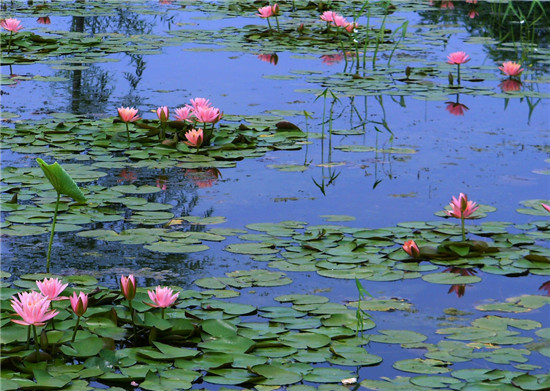
1) Vat planting requires choosing a flower vat with as large a mouth diameter as possible and no drainage hole. Place evenly mixed nutrient soil in the vat, maintain good ventilation, and add water as new leaves grow; in the flowering season the water depth can be kept at 70 to 80cm. In winter, more water should be added, keeping the water depth above 110cm. In the Beijing-Tianjin area, overwintering is difficult, so the plants need to be moved into a greenhouse or sunk into a water pool.
2) For potted plants, the pot chosen should have a mouth diameter of 40cm or more and a depth of 60cm or more, and the pot should be repotted with fresh mud every year according to actual conditions. The rhizome should be buried in 30cm-thick fertile river mud, then placed in the pot. In the high-temperature season the water layer must be kept clean, with regular water changes; during the growing period give sufficient light, and after flowering remove spent flowers promptly and apply additional fertilizer. Likewise, in the Beijing-Tianjin area, plants must be moved into a cold room or to the bottom of deep water to overwinter in winter; overwintering potted plants in water is relatively more convenient than vat planting.
3) Water lily planting requires choosing a pond with fertile soil, with at least 30cm of mud at the bottom of the pond. Water lily seedlings propagated in pots can be placed in directly; the water level should start shallow and be raised gradually. The overwintering water level differs by region; as long as the rhizome is below the ice layer, it can overwinter. The advantage is a better mass effect and greater growth; the disadvantage is that digging them out the following year is difficult, and pests and diseases are hard to prevent and control.
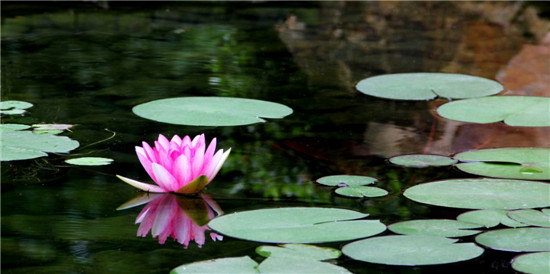
Water lilies can be propagated in two ways. One is division propagation: when the buds have just sprouted, dig up the rhizome, making sure the rhizome carries more than one plump new bud, cut it into root sections 8-10cm long, and plant them in the river mud in a pond or vat. The second is seed propagation: before the fruit ripens, wrap it in gauze with good air permeability so the seeds do not fall into the water, then select plump seeds and soak them in warm water to promote germination, changing the water every day. Once sprouted, they can be moved into soil; use fertile clay loam for the potting soil, and the sowing temperature should preferably be 25-30°C.
Precautions for water lily planting
1. Soil selection: Clay soil rich in humus is especially suitable for water lily growth. So when choosing soil, river pond silt can be used.
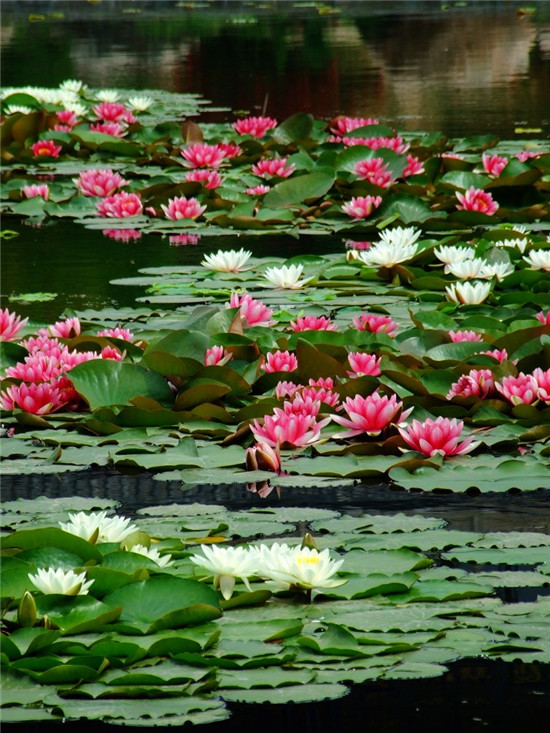
2. Seed selection: Water lilies are mostly cultivated by division; the quality of the seed stem is a key link in the final success of cultivation. It is best to select a section of underground rhizome in good growing condition and cut it into stem chunks about 6-250px.
3. Plant appropriately shallowly: If the seed stem goes too deep into the mud, it is not conducive to water lily growth. The cultivation depth should be based on the new buds on the stem being level with the soil surface.
4. Light: The environment for planting water lilies must have ample sunlight, be warm and humid, and well ventilated. Especially for water lilies grown in pots or vats, the light must be sufficient.
Water lilies do not need frequent management and grow very quickly. Besides their ornamental value, their flowers can also be eaten, and made into tea they are fresh and pleasant. Growing water lilies at home really can achieve multiple benefits at once. After reading these water lily planting methods, you now know how to grow water lilies, right?
The above is the full content of my summary of what water lily planting methods there are and the water lily planting procedure. I hope this article can help everyone. Please also continue to follow us.