How to Plant Water Lily Seeds: The Planting Method for Water Lily Seeds
We often see very beautiful water lilies in parks, gardens and other places, so do you know how they are grown? Let's take a look together!
Introduction to Water Lilies
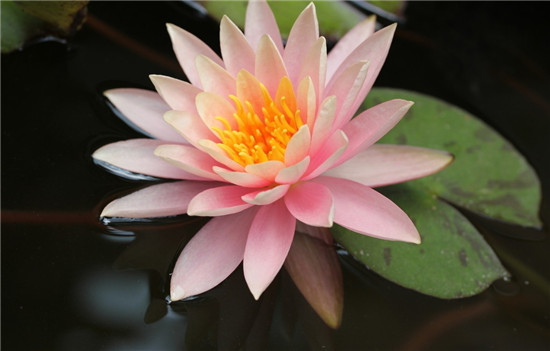
Before learning about water lily seeds, let's first get to know the water lily. The water lily is also called the noon lily or water celery flower, and is a precious flower among aquatic plants. The water lily's appearance is similar to that of the lotus, with the difference being that the leaves and flowers of the water lily all float on the water surface. The water lily is the most widely distributed genus in the water lily family (Nymphaeaceae), and traces of it can be found all over the world.
Water Lily Seeds
Water lily seeds are black and oval-shaped, and very plump. Water lily seeds are generally used for propagating water lilies by sowing; the seeds are stored sealed in clean water until sowing the following spring, when they are taken out. Therefore, water lily seeds, like most other seeds, are granular in form.
The Planting Method for Water Lily Seeds
The main planting methods for water lilies are division propagation and sowing. Sowing propagation uses water lily seeds, which are placed in water at 25-30°C to sprout, and they will germinate in about two weeks; division propagation is the main method of propagating water lilies, carried out in March-April each year. When the buds have just begun to sprout, dig up the rhizomes and cut them into several pieces, making sure each rhizome has at least two bud eyes, then plant them into a pond or river mud.
Cultivation and Management of Water Lily Seeds
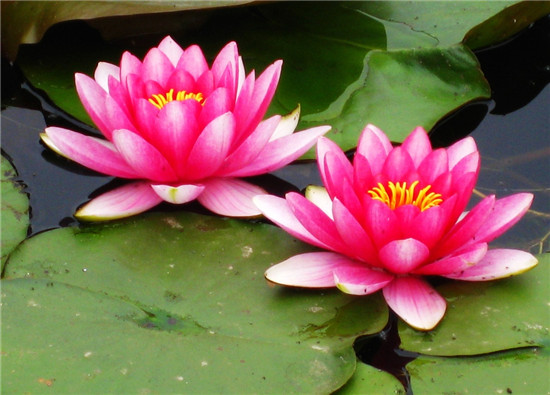
Planting water lilies requires a certain amount of cultivation and management. For water lily planting, the pot should be repotted and the soil changed around spring each year to keep the soil fertile; when growing water lilies, it is best to ensure the water surface area is as large as possible; water lilies like humus-rich, fertile clay soil, so nutrition is very important for water lilies; water lilies also like plenty of sunlight, so sufficient sunlight must also be ensured for water lily planting.
The Value of Water Lily Seeds
The value of water lilies is mainly reflected in garden applications and practical medicinal value. Water lilies contain light pink pigment, which can be used for food or winemaking, and the rhizomes can also be used as medicine as a tonic and astringent, and can treat nephritis; water lilies are very beautiful in appearance and are often used in gardens as decoration and ornamental plants, as well as for appreciation.
The Price of Water Lily Seeds
The seeds of the water lily are inside the flower. After flowering, wrap the flower with a cloth bag so that once the fruit matures and splits, the seeds will fall into the bag and not be scattered. After collecting the seeds, put them in a bottle filled with water, seal the bottle mouth, and place it in the pond water for storage. The next spring, take it out, pour the seeds into a triangular flask filled with water, and place it in an incubator at 25°C-30°C to sprout, changing the water every day; after about 2 weeks the seeds germinate, and once the sprouts grow young roots they can be transplanted into small pots in a greenhouse. The price of water lily seeds is roughly around 5 yuan to 10 yuan.
What Ecological Habits Do Water Lilies Have?
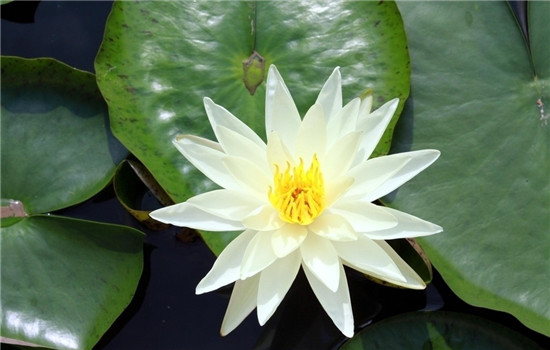
Water lilies are mainly propagated by division. Cold-hardy species are usually divided in March-April before germination in early spring, while non-cold-hardy species have high requirements for air and water temperature, so this can only be done around mid-May. When dividing, first dig out the rhizomes, select rhizomes with plump new buds, cut them into 8-10 cm lengths, with each segment bearing at least 1 bud, then plant them, with the terminal bud facing upward and buried in the surface soil, with the burial depth such that the plant's bud eyes are level with the soil surface; plant 5-7 segments per pot. After planting, expose them to a little sun before adding shallow water to help maintain the water temperature, but the water should not be too deep, otherwise germination will be affected; when the temperature rises and the new buds begin to sprout, deepen the water level. Place them in a well-ventilated, sunny spot for care, with a cultivation water depth of 20-40 cm; in summer the water level can be deeper, and in the high-temperature season take care to keep the water in the pot clean. When planting only a small number in pots, you can take a water lily that has been planted for 2-3 years out of its pot, cut it directly into 2-4 pieces, and replant them in the pot.
Water lilies can also be propagated by sowing, that is, after the flower opens it turns into the water; before the fruit matures, wrap the flower with a gauze bag so that after the fruit splits the seeds fall into the bag. After the seeds are harvested, they must still be stored in water; if stored dry they will lose their ability to germinate. Sowing is carried out in March-April, using fertile clay loam for the pot soil; the pot soil should not be too full, and should be 5-6 cm below the pot rim. After sowing the seeds, cover with 1 cm of soil, press firmly and immerse in water, with the water surface 3-4 cm above the pot soil; cover the pot with glass and place it in a sunny, warm spot to raise the temperature inside the pot. The sowing temperature should be 25-30°C; after about half a month they will germinate, and they can bloom the following year.
The above is the full content of my summary on how to plant water lily seeds and the planting method for water lily seeds. I hope this article can help everyone. Please also continue to follow us.
The above is the full content of my summary on how to plant water lily seeds and the planting method for water lily seeds. I hope this article can help everyone. Please also continue to follow us.