When Do Camellias Bloom? A Full Breakdown of Their Blooming Season
Camellia, also called camellia flower, is one of the world's precious flowering trees and shrubs. So, do you know when camellias bloom? Below, I will introduce the blooming period of camellias!
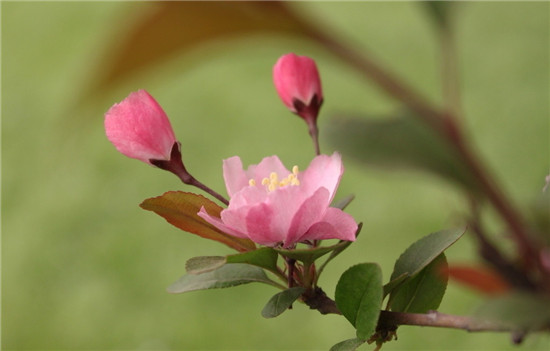
The number of camellia varieties worldwide has accumulated to more than 30,000, among which about 1,000 varieties are widely grown and deeply loved by people. Among these varieties, some are upright and compact, some are loose and spreading, some have branches that droop like a willow, and some creep like vines; some flowers are as large as a plate, and some are as small as a diamond. Camellias of all shapes and forms provide a good foundation for their use in landscaping. Camellia flower types are varied, including single, double, peony-form, and rose-form; petal arrangements include curled, wavy, and spiral; flower colors are endlessly varied, including white, red, pink, orange, yellow, purple, green, and variegated (multiple colors in one flower). The camellia can be said to be one of the most color-rich flowers in the world; leaf shapes are diverse, including oval, lanceolate, and obovate; the crown form is graceful, with natural crown types including upright and spreading, gracefully swaying, and also weeping-willow and creeping types. It can be used as a plant for viewing flowers, foliage, and form, and has very high ornamental value.
The camellia "bursts forth before the red plum and fades after the peach and plum." It begins blooming in autumn, opening one after another, and continues into early spring. From the start of early bloomers to the end of late bloomers, the entire blooming period lasts as long as 5-6 months. At this time there are not many other flowering trees, and only the camellia blooms bravely in the cold in parks, courtyards, and indoors, delighting the eye and lifting the spirit. Its blooming period spans New Year's Day, the Spring Festival, and the Lantern Festival. Because its flowers are mostly based on red tones, and there are also noble yellow, charming purple, and magical black-red, it adds a festive and peaceful atmosphere to the holidays.
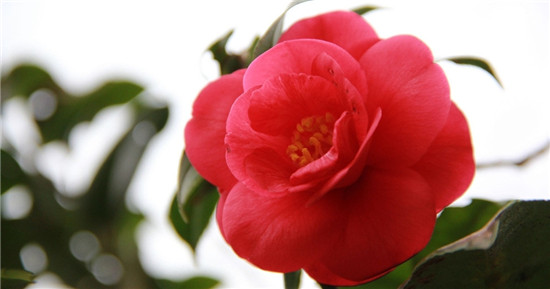
Camellia is an evergreen shrub of the family Theaceae. The blooming period varies by variety, with flowers opening from October to April of the following year. The capsule is round and matures in late autumn, but most double-flowered varieties cannot bear fruit. The camellia has the proud plum-like spirit of "only the camellia endures so long, alone it can claim the spring breeze in the deep of the month," and also the peony-surpassing brilliance of "flowers abundant and brilliantly red, deeply outshining the morning glow." Therefore, since ancient times it has been a very famous woody flowering plant, reaching its peak in the Tang and Song dynasties, until it was introduced to Europe in the 17th century, causing a sensation, and thereby earning the reputation of a "world-famous flower."
Different camellia varieties have different blooming times. Camellias generally begin blooming in October, the earliest camellia varieties bloom at the end of September, the peak bloom is in January-March, they normally bloom until after Qingming of the following year, and the latest fade in May, with some camellia varieties even still blooming sporadically until May 1.
Most camellia varieties bloom for 1-3 months, a single flower generally lasts 7-15 days, the whole plant blooms for 2-3 months, and overall it can last as long as 7-8 months. The best time to view camellias is from late March to late April. The camellia has a long blooming period and is a very good ornamental plant.
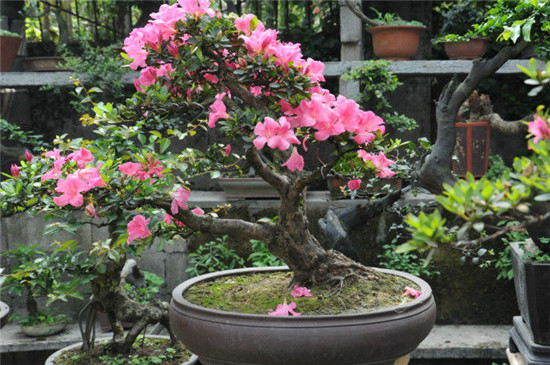
How to Grow Camellias
Watering: The soil for potted camellias should be kept moist, but not overly wet, to prevent alternating dry and wet conditions. Generally, in spring, water a little more generously to promote sprouting and new shoots; in summer, water in the early morning and evening, and best of all, spray the leaves with water so they are thoroughly wet. Do not pour water in a strong stream or flood the pot; do not water with hot water; avoid watering around midday when temperatures are high; in autumn, water in moderation; in winter, water around midday, and spray water once every two or three days.
Fertilizing: Camellias like fertilizer. When potting, be sure to place a base fertilizer in the potting soil, mainly phosphorus and potassium fertilizer. Fertilizers used include decomposed bone meal, hair, chicken feathers, rice husk ash, poultry manure, and superphosphate. Ordinarily, do not fertilize too much. Generally, after flowering, from April to May, apply 2-3 times a dilute fertilizer solution, and in November of autumn apply one slightly stronger liquid fertilizer. When fertilizing, note that the proportion of phosphorus fertilizer should be slightly larger to promote abundant and brightly colored flowers.
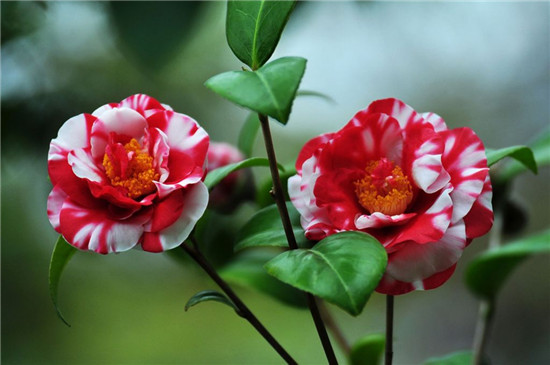
Pruning: Camellias grow relatively slowly and should not be pruned excessively. Generally, it is enough to cut off leggy branches that affect the plant's shape, as well as diseased, pest-damaged, and weak branches. If there are too many flower buds on each branch, thin the flowers to leave only 1-2, keeping a certain distance, and remove the rest early to avoid consuming nutrients. In addition, promptly remove flowers that are close to fading, which can also reduce nutrient consumption, helping the plant grow vigorously and form new flower buds.
The above is all the content I have summarized for you on the blooming season of camellias. I hope this article can help you. Please also continue to follow us.
I hope this article can help you. Please also continue to follow us.