How to Grow and Care for Carnations: A Detailed Guide to Cultivation Methods
Carnations are currently one of the most widely used flowers in the world, and in a greenhouse they can bloom almost continuously. Let's take a look at how to grow carnations!
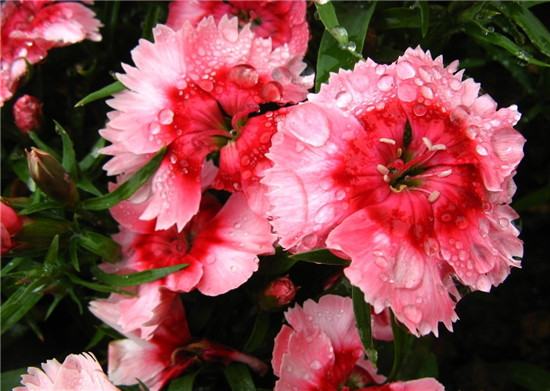
Carnation Propagation Methods
They can be propagated by sowing seeds, layering, and cuttings, with cuttings being the main method. Cuttings can be taken at any time except in the heat of summer, and late January to early February gives the best results. For cuttings, choose side shoots 7-10 cm long growing from the leaf axils in the middle of the stem. When taking cuttings, use the "bud-breaking method": hold the side shoot and bend it downward along the main stem so that the base of the cutting retains a node scar, which makes it easier to root.
Key Cultivation Points for Carnations:
Soil: A clay soil that is well-drained, rich in humus, good at retaining nutrients, and slightly alkaline is required.
Watering: Carnations are vigorous growers and fairly drought-tolerant. In rainy, overly wet areas, the soil tends to become compacted, and the roots develop abnormally due to poor aeration, so loosen the soil and ensure drainage during the rainy season. Water promptly during the peak growing and flowering seasons. At other times, water sparingly, just enough to keep the soil moist.
Fertilizing: Carnations love fertilizer. Apply plenty of composted fertilizer and bone meal before planting, and continue applying liquid fertilizer throughout the growing period. Generally, apply a diluted, well-rotted liquid fertilizer once every 10 days or so, and apply one topdressing after harvesting flowers.
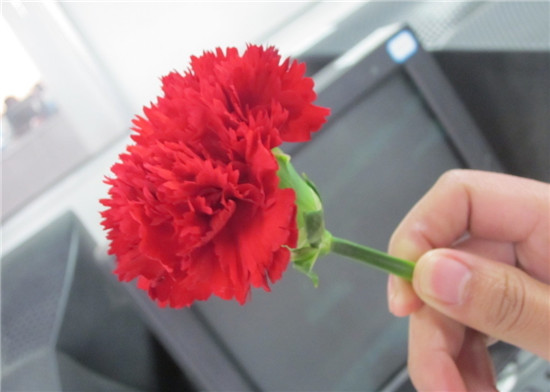
To encourage carnations to branch more and bloom more, pinch the tips several times starting from the seedling stage: when the seedlings have 8 to 9 pairs of leaves, do the first pinching, keeping 4-6 pairs of leaves; when the side shoots grow more than 4 pairs of leaves, do the second pinching, keeping 3-4 pairs of leaves per side shoot, so that the whole plant ends up with 12-15 side shoots.
How to Grow Carnations
1. To prevent carnation leaves from withering, control light and temperature well: Some gardeners report leaf withering and similar problems during cultivation. This issue is mainly caused by poorly controlled temperature and light conditions. When the temperature is above 30°C, withering symptoms are likely. The most suitable growing temperature for carnations is 13-25°C, with light controlled at 6-8 hours per day. This ensures normal growth for potted carnations. A preference for strong light is an important characteristic of carnations. Whether overwintering indoors, spending summer in pots, or being forced in a greenhouse, they need ample light and should be placed in a sunny spot with direct sunlight.
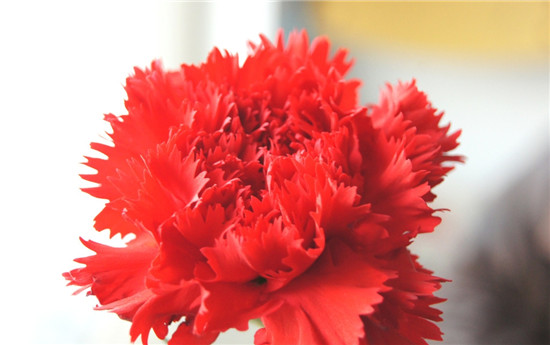
2. To avoid root rot in carnations, master the watering principles: Why do some potted carnations develop root rot? Potted plants share a common preference for a ventilated, airy environment with good drainage. Overwatering easily causes root rot, so the frequency of watering must be controlled properly. Avoid waterlogging. During the rainy season, loosen the soil and ensure drainage. Water promptly during the peak growing and flowering seasons. At other times, water sparingly, just enough to keep the soil moist. If conditions allow, keep the air humidity at around 75%. (For those who have a humidifier at home, this should not be hard to control.) Once again, the watering principle for carnations: do not water until the surface of the potting soil is dry, and when you do water, water thoroughly; avoid waterlogging.
3. For healthy carnation growth, pay attention to fertilizing: If you choose to grow carnation plants, be sure to select a clay soil that is well-drained, rich in humus, good at retaining nutrients, and slightly alkaline. Before planting, apply plenty of base fertilizer containing potassium, calcium, nitrogen, and phosphorus at the bottom of the pot (or apply plenty of composted fertilizer and bone meal). Continue applying liquid fertilizer throughout the growing period, generally a diluted, well-rotted liquid fertilizer once every 10 days or so, and apply one topdressing after harvesting flowers. Do not fertilize during the high-temperature period in summer, otherwise the plants may easily wither and die.
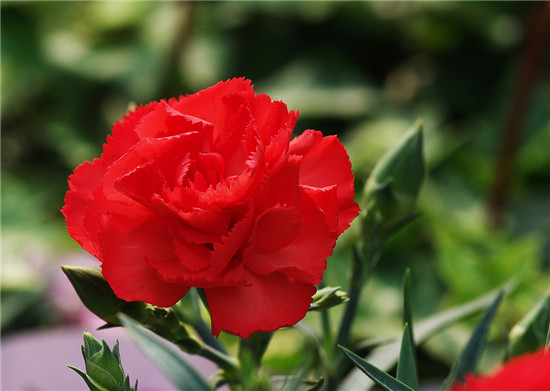
Precautions for Growing Carnations
(1) During the vigorous growing seasons of spring and autumn, keep the soil moist to meet the needs of growth and development. During the high-temperature period in summer, growth is inhibited, so watering should be reduced and ventilation increased, keeping the potting soil slightly dry.
(2) Generally, move the plants into the greenhouse around "Frost's Descent" (Shuangjiang), with the temperature regulated at 10-20°C, which is most suitable. To force or delay the flowering period, the temperature can be raised or lowered appropriately. Try to reduce the humidity in the greenhouse to lessen the occurrence of diseases.
(3) Follow the principle of applying thin fertilizer frequently for topdressing. For potted plants, apply diluted, well-rotted liquid fertilizer once every 7-10 days.
(4) In winter, move the plants indoors and grow them in a sunny, well-ventilated place. If the temperature is suitable, the flowering period can be extended to March of the following year.
(5) During the seedling stage, pinch the tips 1-2 times to encourage branching, so that each plant has about 10 side shoots. After pinching, the plant shape is attractive and flowering is abundant. As the shoots grow, stakes should also be set up to prevent lodging. During the growing period, promptly remove the side buds and small flower buds produced on each shoot, keeping only one flower bud at the tip of each shoot, so that nutrients are concentrated on supplying the terminal bud.
The above is the full content of my summary on how to grow carnations and carnation cultivation methods. I hope this article can help everyone. Please also continue to follow us.
Encourage branching, so that each plant has about 10 side shoots. After pinching, the plant shape is attractive and flowering is abundant. As the shoots grow, stakes should also be set up to prevent lodging. During the growing period, promptly remove the side buds and small flower buds produced on each shoot, keeping only one flower bud at the tip of each shoot, so that nutrients are concentrated on supplying the terminal bud.The above is the full content of my summary on how to grow carnations and carnation cultivation methods. I hope this article can help everyone. Please also continue to follow us.