An Introduction to Anubias and How to Grow It: Creating a Green Space for Your Fish
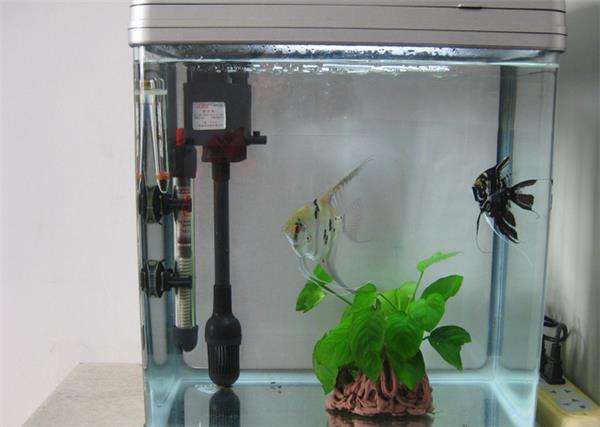
Anubias is an aquatic plant. It can be placed in water or in a fish pond for viewing. Mini anubias grows slowly, making it very suitable for growing in small fish tanks. Now let's take a look at what there is to know about anubias.
I. Introduction to Anubias
Anubias is a very tough and easy-to-plant aquatic plant distributed in the West Africa region. The genus Anubias is centred on Cameroon and distributed throughout the West Africa region. Compared with other aquatic plants, anubias can be said to be very tough and easy to plant. However, if it is planted carelessly and at random, rhizome rot and stunted growth will gradually appear, eventually leading to withering. Lighting: although anubias can still grow under low light, ample light allows the aquatic plant to thrive.
II. Morphological Characteristics of Anubias
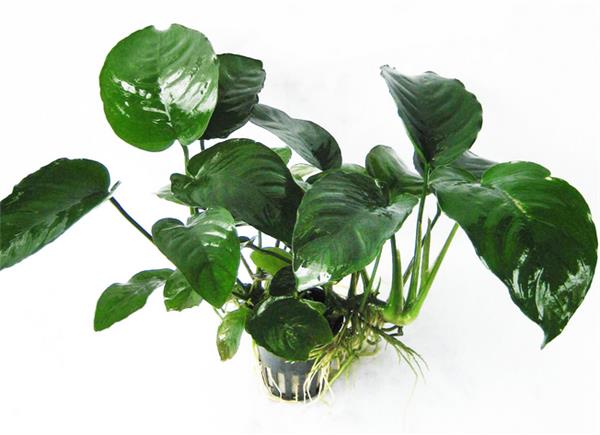
Anubias has a clinging habit and can attach itself to driftwood or rocks as it grows. Mini anubias grows slowly, making it suitable for keeping in small fish tanks.
III. Ecological Habits of Anubias
Anubias is a semi-shade aquatic plant.
IV. Cultivation Techniques for Anubias
1. Lighting
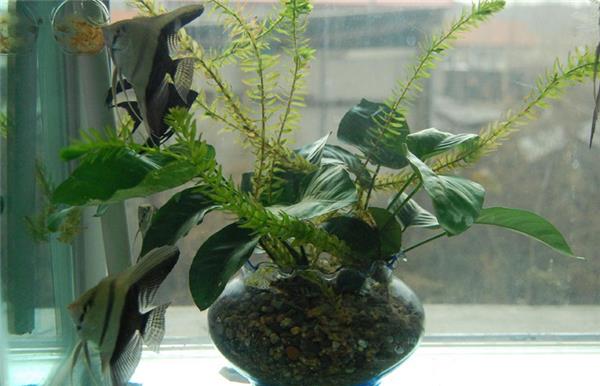
Although anubias can still grow under low light, ample light allows the aquatic plant to thrive.
2. Water Quality
Water hardness should be high, because in soft water without lime the roots will rot and show brown symptoms. The nitrate content should be low. Since algae growth comes from the buildup of nitrates as well as the buildup of fish waste, pay attention to the number of fish and the amount fed.
3. Carbon Dioxide
Anubias can grow without added carbon dioxide, but if you want lush, robust leaves, adding carbon dioxide is still necessary.
4. Fertiliser
The substrate must have enough base fertiliser, and liquid fertiliser is also needed, because the nutrients absorbed by the roots of anubias account for 70% of the total, while the leaves account for 30%.
5. Temperature
The suitable growing temperature is 22-30°C.
V. How to Grow Anubias
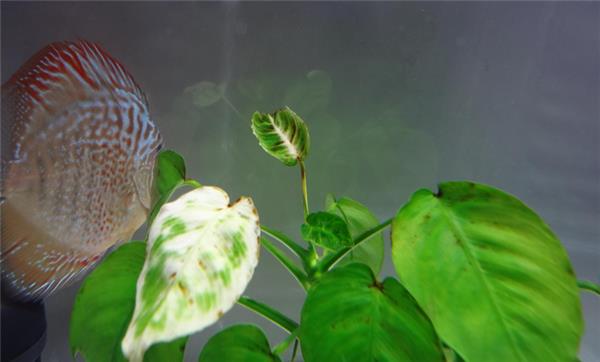
Anubias is more commonly used for aquatic plant aquascaping; it is a very tough and easy-to-plant plant. But if you do not pay attention to the growing method, anubias can also develop rotten roots and rotten leaves. So what should be done once this happens? In summary, the main causes of rotten roots and rotten leaves in anubias may be changes in pH, changes in water hardness, or a lack of (unsuitable) lighting for the anubias, or a lack of fertiliser and carbon dioxide. Under the influence of so many factors, anubias is prone to rotten roots and rotten leaves. To solve this situation, as a grower you should first find out the cause of the rotten roots and rotten leaves; before the cause is clear, do not casually start treatment. You must wait until the cause is found, and only then can you prescribe the right remedy and carry out targeted treatment. To diagnose the cause of rotten roots and rotten leaves in anubias, you should mainly start from the water environment, lighting, fertiliser and other aspects. Begin with the water environment and check them one by one. Note that the standard for checking is based on the requirements of a healthy growing anubias for its water environment. After discovering the problem, make timely adjustments to ease the rotten roots and rotten leaves and ensure that the anubias can slowly grow healthily.
The above is what there is to know about anubias; I hope it can help you.